
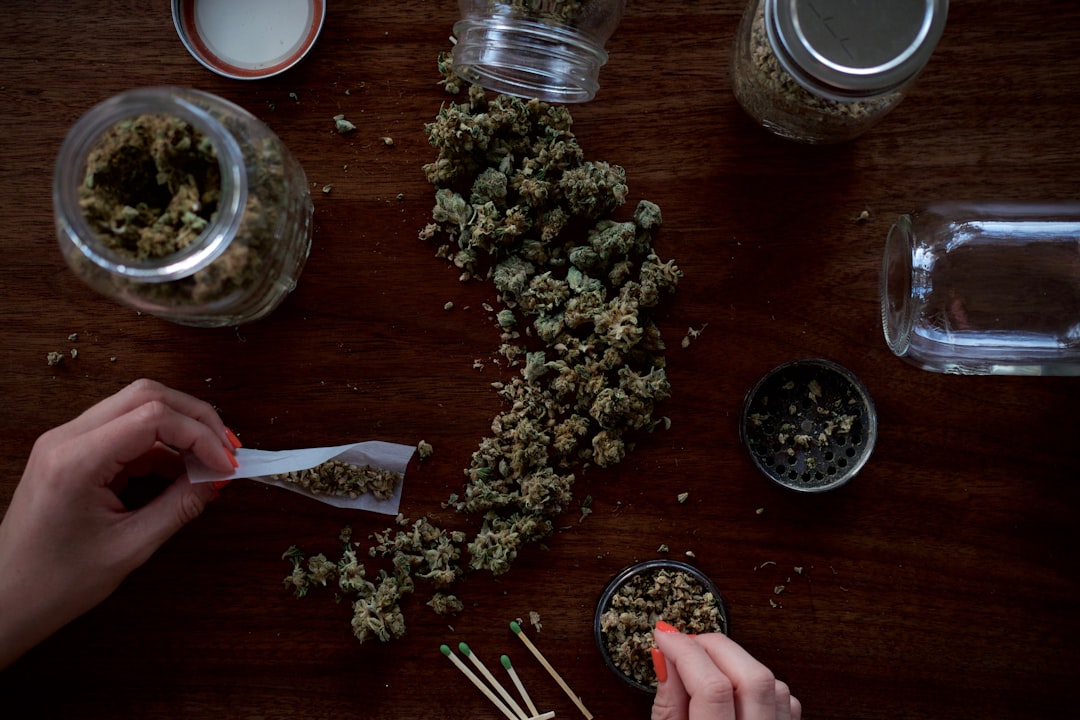
High THC Weed: Who It’s For and When to Go Lower
High THC weed can help some patients, but it’s not always best. Learn THC tolerance, high THC cartridges, and safer options.
Does delta 8 show up on drug tests? Yes, and that surprises a lot of people because delta-8 is often sold as “hemp-derived.” If you are in Florida and you have an upcoming pre-employment screen, random workplace testing, probation testing, or anything similar, it is smart to treat delta-8 like you would any THC product.
Drug tests usually are not trying to figure out where something came from, hemp or cannabis. They are looking for what your body leaves behind after you use it. Once you know that, the rest of this topic gets a lot clearer.
If you want the practical answer, this is it: delta-8 can absolutely lead to a THC-positive result on common drug tests, especially urine tests. Many standard screens are built to catch THC use based on metabolites, not to “name the exact cannabinoid” you used.
That overlap is why mainstream health resources warn that delta-8 can still trigger a positive THC test result, including Healthline’s overview of delta-8 and drug testing.
Delta-8 THC is a psychoactive cannabinoid found naturally in cannabis, but in tiny amounts. A lot of delta-8 products are made by converting hemp-derived CBD into delta-8 through processing. That is a big reason you see delta-8 in places that are not part of Florida’s regulated medical cannabis system.
Chemically, delta-8 is close to delta-9 THC. The “close enough” part matters because your body tends to process them in similar ways. So even if a label screams “hemp,” your metabolism is still doing what it does.
When people ask does delta 8 test positive for THC, they are usually picturing a test that detects delta-8 specifically. Most routine tests do not work that way. They commonly screen for THC metabolites, including THC-COOH, which shows up after your liver breaks THC down.
And yes, many urine immunoassays can cross-react with delta-8 and related metabolites, which can produce a THC-positive result. A clinician-reviewed summary like Recovered.org’s delta-8 drug test detection overview explains why this happens and why it catches people off guard.
Could a specialized lab test sometimes separate compounds more clearly? In certain settings, yes. But for day-to-day workplace or program testing, you should not count on that. If testing is on the table, assume delta-8 is detectable as THC.
Does hemp derived THC show up on drug test panels the same way “regular THC” does? In many cases, yes. “Hemp-derived” is a legal category. Drug testing is a biology and lab-method category. Those two things are not the same.
Another wrinkle: unregulated products can be inconsistent. You might get a gummy that is stronger than expected, or a vape that contains more cannabinoids than the front label suggests. That unpredictability is exactly why consumer health outlets like GoodRx’s explanation of delta-8 legality and drug tests emphasize that “legal” does not equal “won’t show up.”
How long does delta 8 stay in your system depends on the usual suspects: how much you used, how often you use it, your metabolism, body composition, and whether you used an edible versus an inhaled product. No chart can promise your exact timeline, but general windows help you plan realistically.
| Test type | Typical detection window (general estimates) | What to know |
|---|---|---|
| Urine | 3 to 5 days (single use); 7 to 14 days (moderate use); 15 to 30+ days (daily/heavy) | Most common workplace test; detects THC metabolites |
| Blood | About 12 to 48 hours | Shorter window, but varies with frequency and dose |
| Hair | Up to ~90 days | Long lookback; less common due to cost |
One extra heads-up: edibles can be a little sneaky. They often last longer in your body than inhaled options, and they can lead to more prolonged metabolite presence. Educational overviews such as First Step Behavioral Health’s guide to delta-8 and drug tests point out that even smaller amounts can still create a THC-positive test with standard screening methods.
If you are trying to lower your odds of a positive test, it helps to know what pushes the risk up. There is no guaranteed “workaround” and we are not going to pretend otherwise, but you can avoid common traps.
If you are a Florida medical cannabis patient, you deserve consistency. You deserve to know what you are taking and to be able to verify it. That is a big difference between regulated medical cannabis and random delta-8 products from a convenience store shelf.
At GrowHealthy, you can look up batch-specific lab results in our COA Test Results hub, so you can confirm cannabinoid content and safety screening before you commit to a product.
If you are still figuring out what fits your day, our inhalation vs. edibles decision tree walks through onset time, duration, and how much control you typically get with each format.
Testing policies can be strict, and Florida’s medical cannabis program does not automatically protect you from workplace consequences after a positive result. So focus on clarity, not assumptions.
Yes. Legal status and drug test outcomes are separate. Most tests look for THC metabolites, and delta-8 can produce metabolites that trigger a positive THC result.
Often, yes. Urine screens commonly used by employers can cross-react with delta-8 metabolites and report a THC-positive.
A common estimate for urine testing is about 3 to 5 days for single or infrequent use, but dose and your personal metabolism can move that window.
In many cases, yes. Panels are typically not trying to sort “hemp” from “medical cannabis.” They are looking for THC metabolite markers that can come from either source.
Most routine screenings cannot. Some advanced confirmatory testing may provide more detail, but it is not guaranteed and is not the standard for many workplaces and programs.
If you only take one thing from this: delta-8 can lead to a positive THC drug test. If testing is part of your life, it is safer to assume delta-8 is not a loophole, even when it is marketed that way.
If you are looking for more predictable, lab-tested options within Florida’s medical cannabis program, we are ready to help you make sense of formats, COAs, and your choices. Start a conversation through our patient support team at GrowHealthy.

High THC weed can help some patients, but it’s not always best. Learn THC tolerance, high THC cartridges, and safer options.

Cannabis topical basics: THC cream vs CBD topical, how they work, and when patients choose topicals for pain without intoxication.
GrowHealthy patient care policy explained: dispensary rules, Florida patient requirements, IDs, safety standards, and smoother visits.