
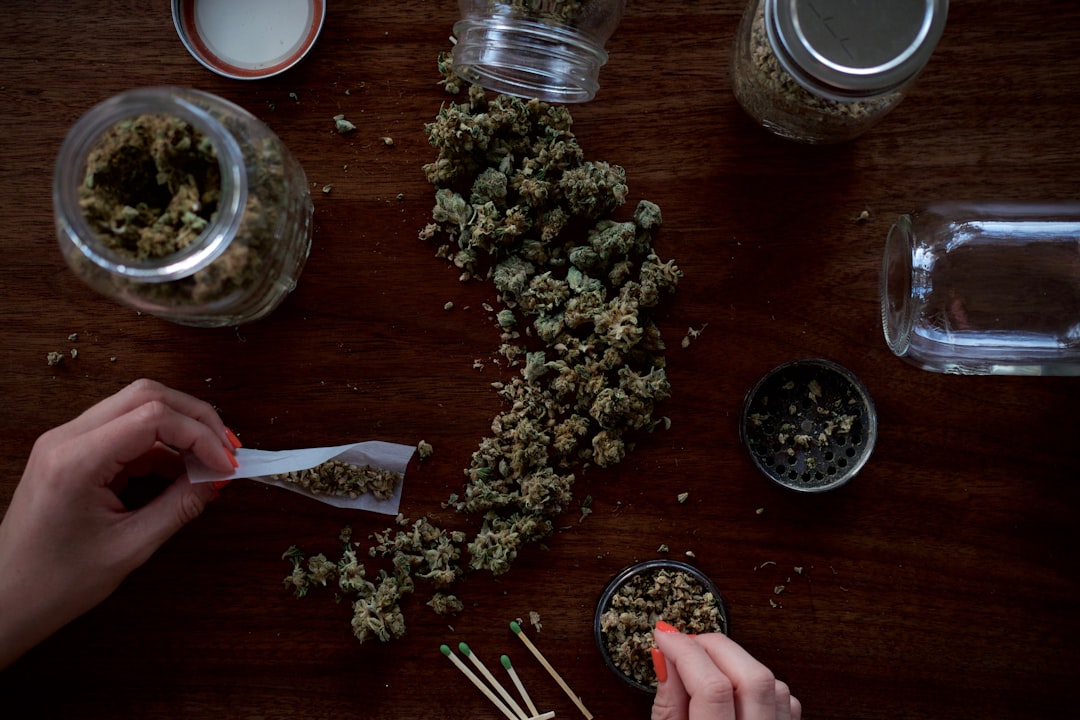
High THC Weed: Who It’s For and When to Go Lower
High THC weed can help some patients, but it’s not always best. Learn THC tolerance, high THC cartridges, and safer options.
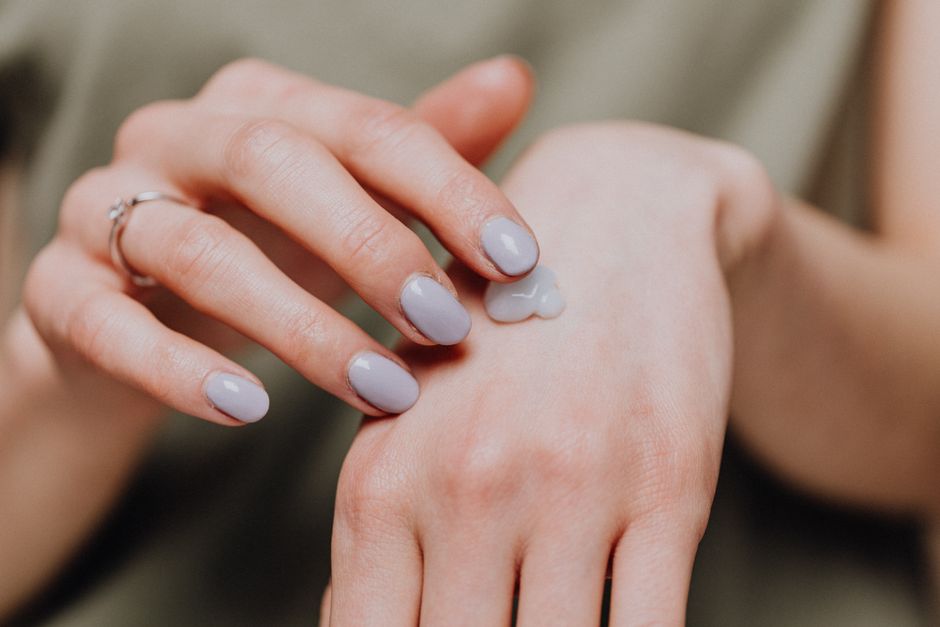
Cannabis topical products are one of those simple wins: you put a cream or balm right where you feel it, and you keep the rest of your day moving. If you are looking for targeted support without the full-body ride you might associate with inhalation or edibles, topicals can be a steady, practical option. We see a lot of Florida medical cannabis patients reach for them when they want to stay clear-headed, avoid inhalation, or focus on one stubborn joint or muscle group.
If you want to shop while you read, you can browse our medical cannabis topicals collection for pickup or delivery across Florida.
A cannabis topical is any cannabinoid-infused product you apply to the skin, think creams, balms, salves, lotions, and oils. The point is localized use. You are aiming at a specific spot like your wrist, knee, shoulder, or lower back, not chasing a whole-body effect.
Because most standard topicals are designed to work mostly where you apply them, many patients like them for daytime routines. Your skin has endocannabinoid activity, and cannabinoids can interact locally with receptors in and around the skin. Leafwell has a helpful overview of how cannabis topicals interact with cannabinoid receptors in the skin that explains why these products are often used for local comfort rather than head-changing effects.
When you are deciding between a THC cream and a CBD topical, it helps to think in plain language, not chemistry. Many patients tell us they reach for CBD-forward formulas when a spot feels irritated, swollen, or generally “worked up.” THC-forward topicals often get the nod when the issue feels more like tenderness, sharpness, or that specific sore point you keep bumping into during the day.
There is overlap, and plenty of patients prefer a blend. Botanical Sciences reviews cannabis topicals for pain relief and discusses how CBD is commonly associated with inflammatory pathways, while THC is often tied to pain signaling through cannabinoid receptor activity. In real life, that can translate into a simple first try: CBD-forward for “puffy and hot,” THC-forward for “sharp and sore,” and a balanced formula when you want a more rounded approach.
One more practical tip: keep notes the first week. Same product, same time of day, same area. It sounds basic, but it is how you spot what is actually helping versus what is just a good-smelling cream.
Once you pick your cannabinoid direction, the carrier matters more than most people expect. A cream or lotion is usually lighter and absorbs faster. A balm or salve tends to be thicker, more waxy, and it hangs around on the skin longer. Neither is “better,” they just fit different moments.
| Type | Texture & feel | Best for | Why patients reach for it |
|---|---|---|---|
| Cream/Lotion | Light, spreads easily, absorbs quicker | Larger areas like shoulders, calves, broad lower back | Easy to apply, less residue, fits daytime routines |
| Balm/Salve | Thicker, more occlusive, stays put | Smaller spots like knuckles, wrists, specific tendons | Feels protective, more targeted placement |
MedWell Health and Wellness Centers shares a straightforward guide on how and when to use cannabis topical cream, including why many patients use these products for joint and muscle discomfort and why they generally do not behave like oral THC products.
We hear the same theme again and again: you want something that fits into real life. Not a whole routine overhaul, not something that makes you rethink your afternoon schedule. Topicals can be that “keep it moving” option when you want localized support.
If you are comparing different routes overall, our blog post on inhalation vs. edibles decision-making can help you think through onset, duration, and lifestyle fit. Topicals live in their own lane: localized, discreet, and usually easy to trial without a big learning curve.
Most people get the best results when they treat topicals like a small, consistent habit. Give it a fair shot, apply it the same way for a few days, and let your body tell you what is working.
If discomfort feels deep, widespread, or tied to internal symptoms, talk with your physician about whether a systemic option like tinctures or edibles makes more sense for your overall plan. Topicals are great at being targeted. They are not meant to be everything.
People often say “topical” for anything that goes on skin, but there is an important difference. Standard creams, balms, and salves are typically formulated for localized interaction in the skin and nearby tissues. Transdermal products, like certain patches, are designed to move cannabinoids through the skin and into the bloodstream for more systemic effects.
The Lyphe Clinic explains the distinction in its overview of THC creams and how they differ from transdermal products. If your goal is to avoid systemic THC effects, this is the moment to slow down and read the product description, then ask our team if you want help double-checking.
With medical cannabis, consistency matters. The cannabinoid content, the ingredient list, and batch-to-batch testing can all affect how a topical fits your routine, especially if you have sensitive skin or you are trying to dial in a reliable day-to-day option.
We make it easy to confirm what you are getting with our COA (Certificate of Analysis) test results lookup. It is a quick way to see product transparency before you commit.
Standard cannabis topical products like creams and balms are generally intended for localized effects and are not designed to create intoxication. If staying clear-headed is a priority, that is a big reason patients start with topicals.
If swelling or irritation is the main issue, many patients start with a CBD topical. If pain and tenderness are the main issue, a THC cream or THC-forward topical may be a better fit. If you are stuck between the two, a balanced THC:CBD formula can be a reasonable middle ground to discuss with your physician.
Many patients gauge results in about 15 to 30 minutes. It depends on the cannabinoid concentration, the base you choose, and how localized the issue is.
Topicals tend to shine for localized muscle soreness and joint areas closer to the surface. For deeper or more widespread needs, your physician may recommend a systemic route like tinctures or edibles as part of a broader plan.
Yes. If you want help thinking through formats, ratios, or how to build a daytime-friendly routine, reach out through GrowHealthy patient support and we will help you narrow it down based on your comfort level and goals.
A cannabis topical is one of the most straightforward ways to add medical cannabis to your routine: targeted, discreet, and built for localized support. Choose a fast-absorbing cream when you want quick coverage over a larger area, or go with a thicker balm when you want something that stays put on a precise spot. If you want help picking your first option, we are ready when you are.

High THC weed can help some patients, but it’s not always best. Learn THC tolerance, high THC cartridges, and safer options.
GrowHealthy patient care policy explained: dispensary rules, Florida patient requirements, IDs, safety standards, and smoother visits.
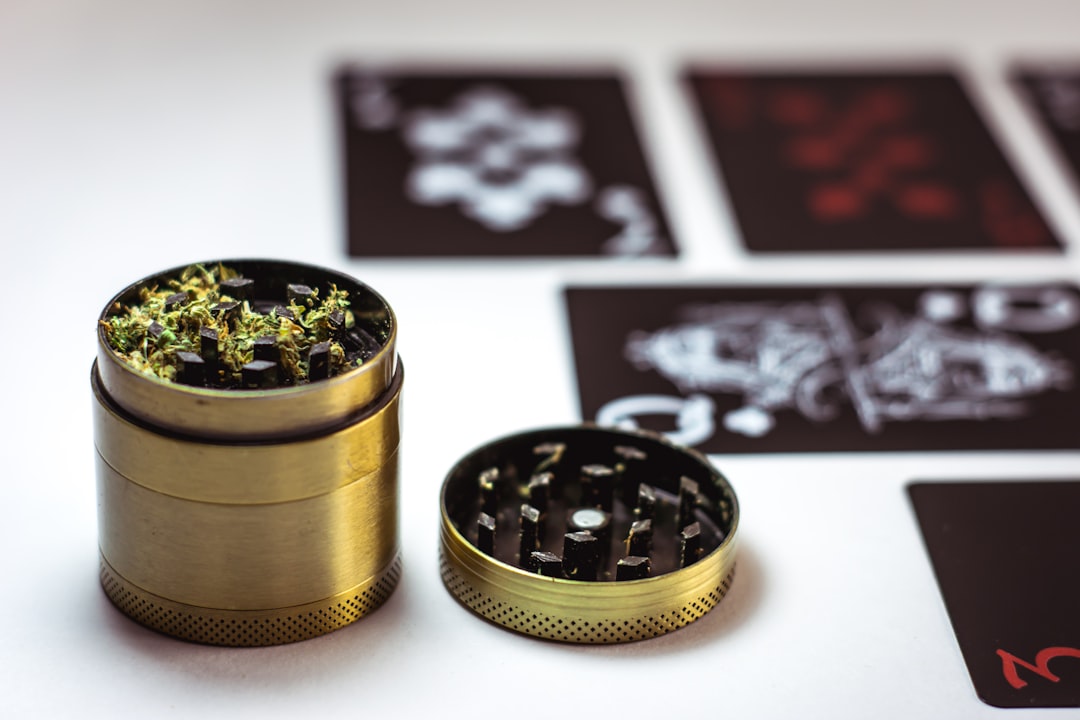
Kief explained: what it is, how it’s made, and kief how to use tips for Florida medical cannabis patients at GrowHealthy.