
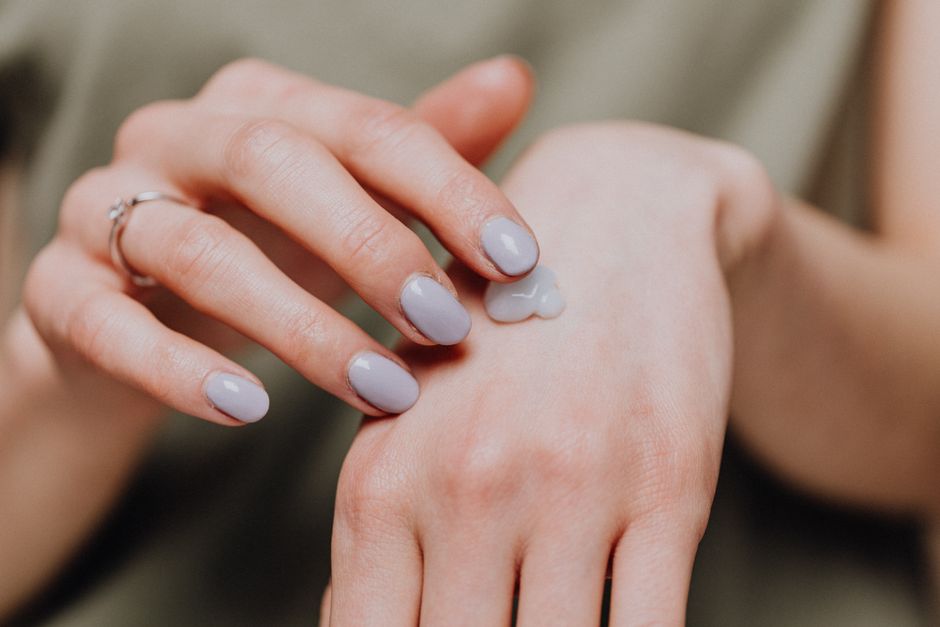
Cannabis Topical 101: Creams, Balms, and Best Uses
Cannabis topical basics: THC cream vs CBD topical, how they work, and when patients choose topicals for pain without intoxication.
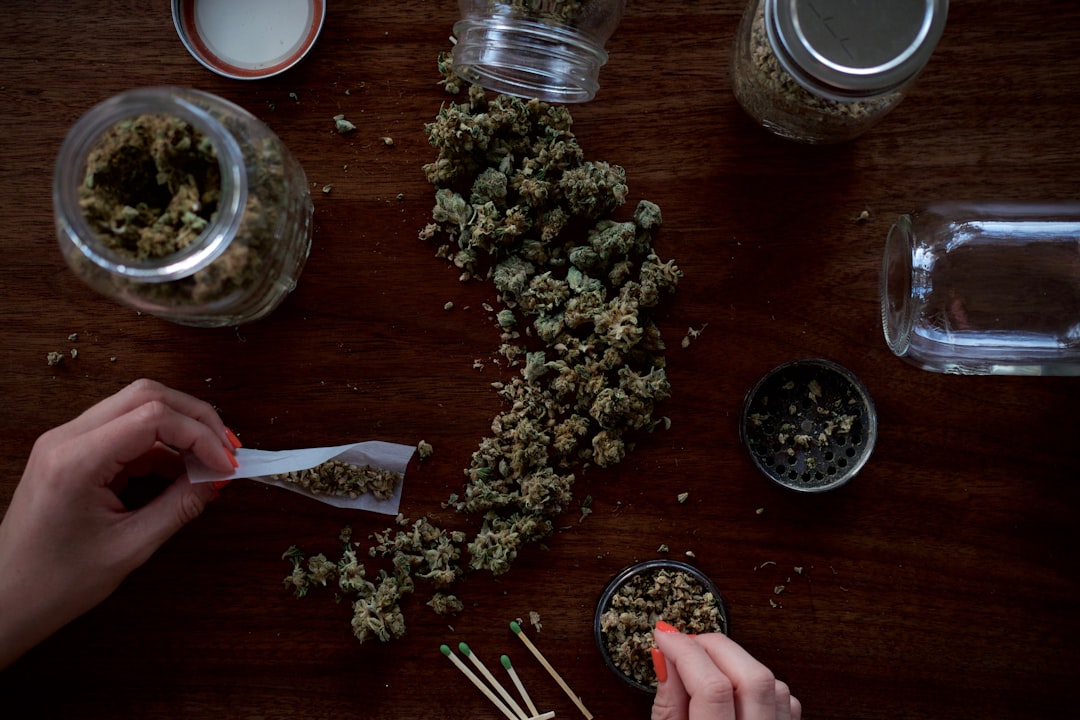
High THC weed might seem like the no-brainer choice when you’re shopping medical cannabis, especially when you spot flower testing in the high 20s or a vape that looks even more potent on paper. But in real life, “stronger” is not always “better.” Your day, your tolerance, and even how you like to feel (clear-headed vs. deeply relaxed) matter just as much as the number on the label.
At GrowHealthy, we’re big on premium genetics, consistent lab testing, and helping you find a routine you can actually stick with. Let’s talk about what “high THC” really means, who it tends to fit best, why high THC cartridges can sneakily raise THC tolerance, and when you’ll be happier going lower. We’ll also cover what to do if you feel like you’ve had too much THC.
There’s no official universal cutoff, but most patients and educators consider flower “high THC” once it gets above the mid-teens, and “very high” once it pushes past about 25%. Vapes and concentrates are a different story, since extracts commonly test much higher than flower. Leafwell’s overview of what is considered high THC lines up with what you’ll see across dispensary menus.
Still, here’s the part that matters most: high THC is personal. A 20% flower can feel like a lot if you’re new, sensitive to THC, or coming back after time off. Meanwhile, someone who uses medical cannabis daily may barely notice that same product.
If you want a more predictable experience, treat THC percentage like a compass, not a scoreboard. The product format, the terpene profile, and your dose size can change the whole feel of a session.
High-THC options tend to make the most sense when you fit one of these situations:
On the flip side, if you use medical cannabis only occasionally, or you’re a newer Florida patient, going straight to the highest-THC item can be a rough introduction. When potency outpaces tolerance, you’re more likely to feel uncomfortable instead of supported.
If you like knowing exactly what you’re getting, use our COA (Certificate of Analysis) test results page to check potency and other lab details before you buy. It’s one of the easiest ways to keep your routine consistent, especially if you’ve had mixed results in the past.
THC tolerance can creep up on you. It’s not a character flaw, and it’s not “doing it wrong.” It’s your body adjusting to regular THC exposure over time. Many patients notice the same dose stops feeling as noticeable, or they start re-dosing sooner than they used to.
If you’re curious about why tolerance changes with frequency and dose, Weedmaps has a patient-friendly breakdown of THC tolerance and how it develops.
The good news is that tolerance often responds well to small course corrections. You don’t always need a full stop. Sometimes it’s as simple as lowering your dose, using less often, or mixing in lower-THC days so your baseline can settle back down.
High THC cartridges are popular because they’re convenient. They’re quick, low-effort, and easy to fit into a day. That convenience is also the catch.
Because vape oil is concentrated and the device is always within reach, it’s easy to take small pulls throughout the day without thinking of it as “a lot.” Those mini-sessions add up. Treehouse Cannabis explains how THC tolerance can differ across flower, edibles, vapes, and concentrates, and why some formats may nudge you toward more frequent dosing.
This doesn’t mean vapes are “bad.” It just means you’ll get better results when you treat them like concentrated medicine. Take a small pull, wait, then decide. You’ll thank yourself later.
If you’re choosing higher potency, your best friend is intention. Not a complicated routine, just a couple of habits that keep you from accidentally taking more than you wanted.
And if you want to stay plugged into product education beyond this article, our main GrowHealthy blog is a solid place to browse topics like formats, shopping tips, and patient-focused guidance.
Lower-THC options are not “starter” products. They’re often the sweet spot for real life, especially if you want symptom support without feeling mentally cloudy.
Consider going lower if any of these sound like you:
Going lower also gives you flexibility. You can add a little more if you need to, instead of wishing you could rewind because you took too much upfront.
| What you’re aiming for | Often a better match with high THC | Often a better match with lower THC |
|---|---|---|
| Big effects with fewer inhalations | Yes, especially with concentrates or vapes | Sometimes, but may take more inhalations |
| Staying functional during the day | Depends on your tolerance and your dose | Often, especially for newer patients |
| Lower chance of mental discomfort | Not always, risk can rise as dose rises | Often easier, especially at modest doses |
| Keeping a routine sustainable long-term | Possible with structure and restraint | Often simpler to maintain |
Sometimes the product isn’t “weak.” It’s just that your baseline has shifted. A few common clues:
If that sounds familiar, a small reset can help. Leafwell’s guide to cannabis tolerance and reset strategies is a helpful reference for understanding why stepping down can bring your results back into focus.
And if you’re ever unsure how tolerance changes fit into your overall care plan, it’s always smart to talk with your certifying physician. Consistency matters more than intensity.
If you’ve had too much THC, start with the basics. Get somewhere calm, sip water, and slow your breathing. Try not to stack more THC on top of it to “fix” the feeling.
Most of the time, the discomfort passes with time. If you feel severe symptoms or you’re worried about your safety, seek medical help.
Not always. THC percentage matters, but your dose size, your tolerance, and the full cannabinoid and terpene profile shape the experience. A terpene-rich, moderate-THC flower can feel more “on target” than a higher-THC option that doesn’t fit you.
Because the oil is concentrated and the device makes frequent dosing easy. A few quick pulls throughout the day can add up faster than you realize.
Try smaller doses, fewer sessions per day, and a short stretch of lower-THC products. Rotating formats can help too, so one method doesn’t dominate your routine.
Racing thoughts, feeling uneasy, nausea, dizziness, or feeling overly sedated are common. If it happens, pause, hydrate, and give yourself time in a low-stimulation setting.
Not necessarily, but you should take it slow. Start lower, learn your response, and if you step up in potency, do it at home first with a small dose.
High THC weed can absolutely have a place in a medical cannabis routine, but it’s not the automatic best choice for every patient or every day. When you match potency to your actual goal, keep your dosing intentional, and watch for tolerance creep, you’re more likely to get consistent support without unwanted side effects. If you want help choosing the right strength or format for where you are right now, our team is happy to help through GrowHealthy customer support.

Cannabis topical basics: THC cream vs CBD topical, how they work, and when patients choose topicals for pain without intoxication.
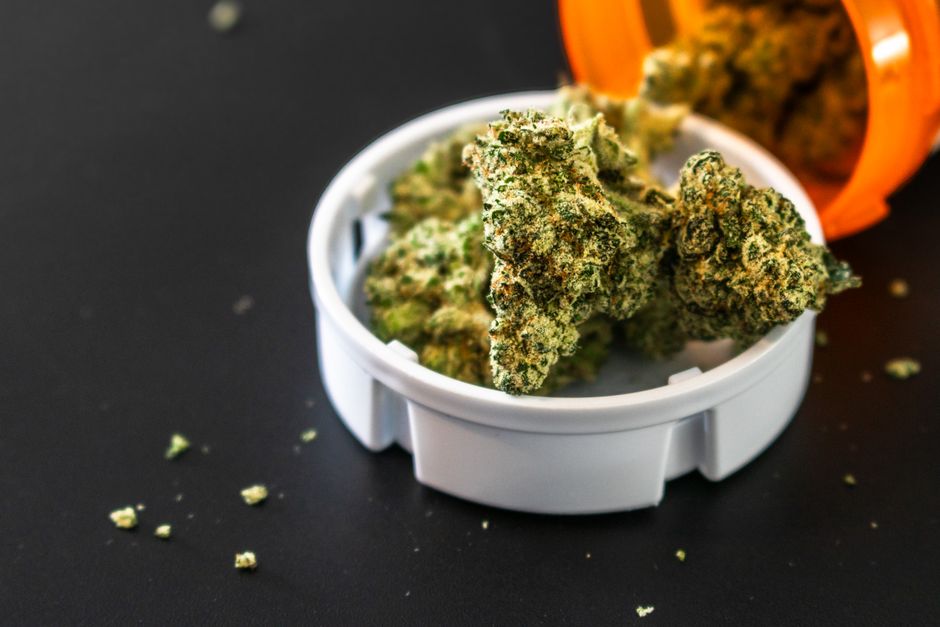
GrowHealthy patient care policy explained: dispensary rules, Florida patient requirements, IDs, safety standards, and smoother visits.
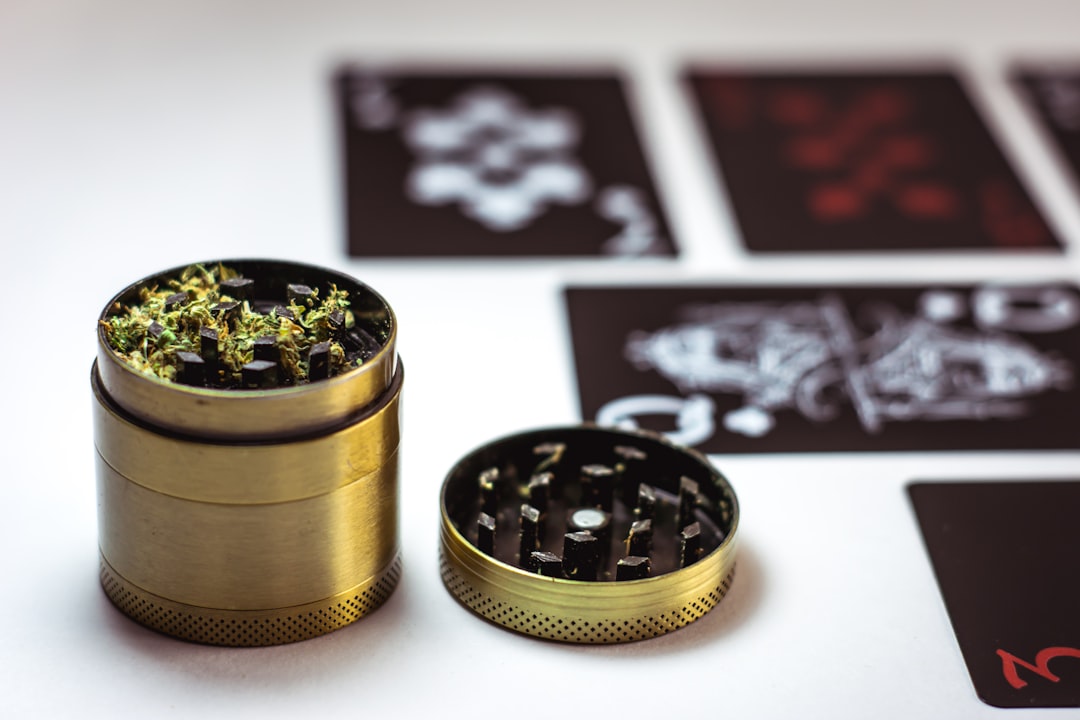
Kief explained: what it is, how it’s made, and kief how to use tips for Florida medical cannabis patients at GrowHealthy.