
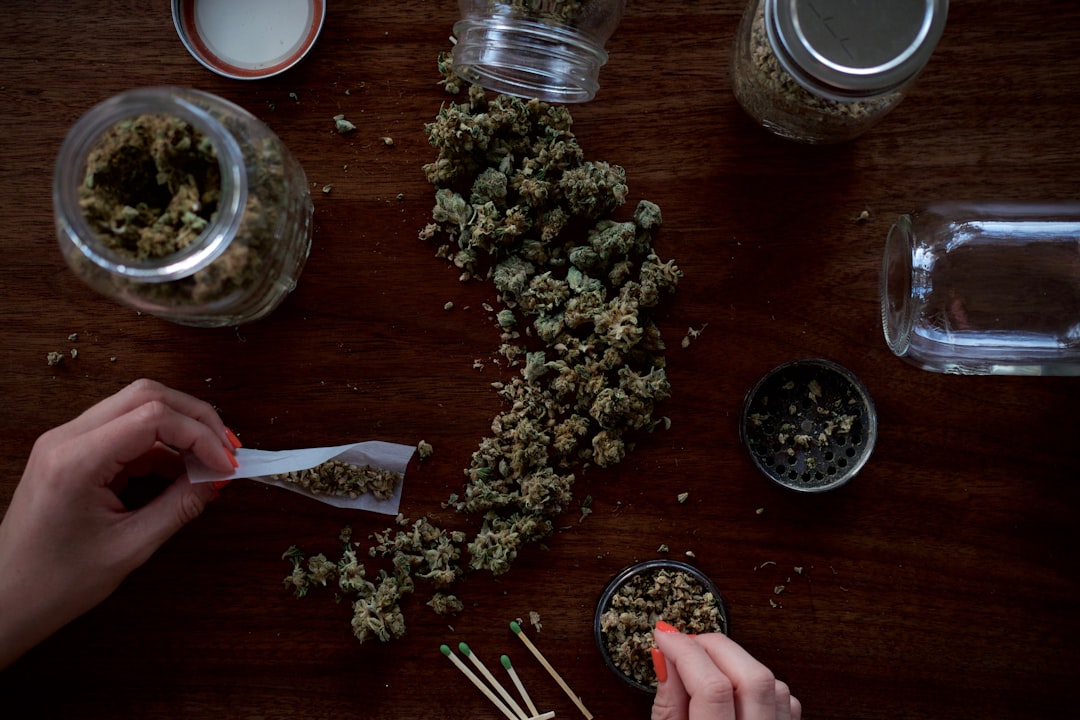
High THC Weed: Who It’s For and When to Go Lower
High THC weed can help some patients, but it’s not always best. Learn THC tolerance, high THC cartridges, and safer options.
Federal hemp ban 2026 is about to change what you can casually grab at a smoke shop, gas station, or from certain online sellers in Florida. If your routine has included THCA flower, Delta-8 gummies, or “hemp THC” vapes, you are going to see labels, availability, and shipping rules start to tighten up as we head toward late 2026.
We put this together the same way we would explain it across the counter: plain language, the dates that matter, and what stays the same for you inside Florida’s medical cannabis program. No legal advice, just a clear map so you are not guessing at checkout.
Back in 2018, the Farm Bill created a simple-sounding definition: hemp is cannabis with no more than 0.3% Delta-9 THC by dry weight. The catch was that the definition zoomed in on Delta-9 THC and did not fully account for other forms of THC that can be intoxicating once they are heated or processed.
That is how you ended up seeing products that felt like “regular THC” sold under a hemp label. A big example is THCA flower. On paper it can test low in Delta-9, but once you heat THCA (smoking or vaping), it can convert into THC. Another big slice of the market came from cannabinoids made by converting hemp-derived CBD into compounds like Delta-8.
For shoppers, it has been a mixed bag. Some people found products they liked. Others got hit with confusing lab reports, inconsistent potency, and packaging that did not match the experience.
Congress passed H.R. 5371 in November 2025, and Section 781 rewrote the federal definition of hemp in a way that closes the Delta-9-only loophole. A solid industry legal summary is in the Saul Ewing LLP breakdown of the new federal hemp restrictions.
In real-life terms, the update aims to push most intoxicating hemp THC products out of the “federally legal hemp” bucket. Three parts of the change matter most when you are standing in a store comparing options.
The new approach does not just look at Delta-9 THC. It uses a “total THC” calculation that includes THCA too: Delta-9 THC + (0.877 × THCA). If that total is over 0.3% by dry weight, it is not hemp under the federal definition.
This is why you will hear people call it a “THCA ban,” even though the law is really rewriting the definition, not naming one product type. A detailed explanation of how this definition works in practice is covered in the Regulatory Oversight analysis of the federal hemp definition change.
Here is the part that surprises a lot of people: the update also adds a limit for finished retail packages. If a consumer hemp product has more than 0.4 milligrams of total THC per retail container, it falls outside the federal hemp definition.
That is not “per gummy” or “per serving.” It is for the whole package. So a bag of gummies with 10 mg or 25 mg each, or a vape with meaningful THC content, is typically over the line right away.
The other big shift is about how certain cannabinoids are made. Section 781 excludes cannabinoids produced through chemical conversion. That is why the delta 8 ban conversation is tied to this change, along with Delta-10, HHC, THC-O, and similar products.
If your go-to has been a Delta-8 gummy from a local shop, this is the part of the federal update that hits that category first.
You do not need to memorize the bill text, but you do want the deadlines. Reporting around these effective dates has been tracked closely in the Herb.co hemp ban news and deadline tracker.
One practical note: you will likely feel the shift before those dates. A lot of retailers will adjust early based on what they are willing to stock, ship, or insure.
These federal changes are aimed at the hemp marketplace that grew up outside state medical cannabis systems. Florida’s licensed medical cannabis program is a separate lane with its own rules, testing expectations, and oversight.
If you are a Florida medical cannabis patient, you buy through a licensed MMTC under state rules listed by the Office of Medical Marijuana Use. If you ever want to cross-check the state side, use the OMMU Rules & Regulations page as your starting point.
GrowHealthy operates inside that regulated system, which means your access to lab-tested flower, vapes, concentrates, edibles, and tinctures does not rely on the old hemp loophole. If anything, this federal reset can reduce some of the “Wait, is this the same thing?” confusion by separating intoxicating products from unregulated retail shelves.
Every brand and product is different, and enforcement can vary. Still, if you are trying to translate the new definition into everyday shopping, this is the simplest way to think about it.
| Product you may see around Florida | Why it is impacted | Likely outcome under the federal hemp ban |
|---|---|---|
| Delta-8 gummies or vapes | Chemical conversion is excluded under the new hemp definition | Falls outside federal hemp status starting Nov 12, 2026 |
| THCA flower or THCA pre-rolls | Total THC includes THCA, and the per-container cap is extremely low | Often falls outside federal hemp status by Dec 11, 2026 |
| Hemp-derived Delta-9 edibles or beverages | 0.4 mg total THC per container cap is lower than most packages | Many common packages fall outside federal hemp status by Dec 11, 2026 |
| CBD isolate products with minimal THC | More likely to stay under total THC thresholds and container cap | More likely to remain federally compliant as hemp |
If you have been leaning on hemp-derived THC because it felt simpler, this change may be the nudge to look at the Florida medical side for consistency and clarity. With a Florida State Issued Medical Card, you have a more stable, state-regulated way to shop, with labeled dosing, required testing, and patient support when you want to change formats or strength.
If you are curious what the process looks like, this guide on how to get a medical marijuana card in Florida walks through the steps and expectations.
Once you are a patient, you can shop by what fits your day. Some people prefer flower. Others want the discretion of vapes, the longer runway of edibles, or the precision of tinctures. If you are weighing that choice, our guide Inhalation vs Edibles: A Quick Cannabis Decision Tree is a helpful starting point.
When you are ready to browse, you can start with our lab-tested selection of medical cannabis flower. And if you want a real conversation about what you have been using and what might be comparable in the medical program, reach out through GrowHealthy patient support. We will keep it practical and patient-first.
Not exactly. It is a change to the hemp definition that uses total THC, which includes THCA in the calculation. In practice, many THCA-heavy products that used to slide in under “Delta-9 only” testing are expected to fall outside the federal hemp category.
For chemically converted cannabinoids like Delta-8, the practical deadline is November 12, 2026.
It means the entire package is capped at 0.4 mg of total THC, not each gummy. So most multi-piece gummy bags that contain meaningful THC are likely to exceed the cap.
Florida medical cannabis purchases through licensed MMTCs operate under state medical rules, not the hemp definition. If you are a qualified patient with a Florida State Issued Medical Card, your access to state-regulated medical cannabis products remains separate from the hemp framework discussed here.
No. We serve Florida medical cannabis patients within Florida. We offer pickup and in-state delivery where available, but we cannot ship medical cannabis out of state.
The federal hemp ban 2026 closes the Farm Bill loophole by switching to total THC, adding a strict 0.4 mg per-container cap, and excluding chemically converted cannabinoids. For Florida shoppers, that likely means many familiar smoke shop and online hemp THC options will fade out as the November and December 2026 deadlines approach. If you want a steadier, more regulated path, Florida’s medical cannabis program is built for that, and we are here to help you navigate it with lab-tested products and straightforward guidance.

High THC weed can help some patients, but it’s not always best. Learn THC tolerance, high THC cartridges, and safer options.

Cannabis topical basics: THC cream vs CBD topical, how they work, and when patients choose topicals for pain without intoxication.
GrowHealthy patient care policy explained: dispensary rules, Florida patient requirements, IDs, safety standards, and smoother visits.