
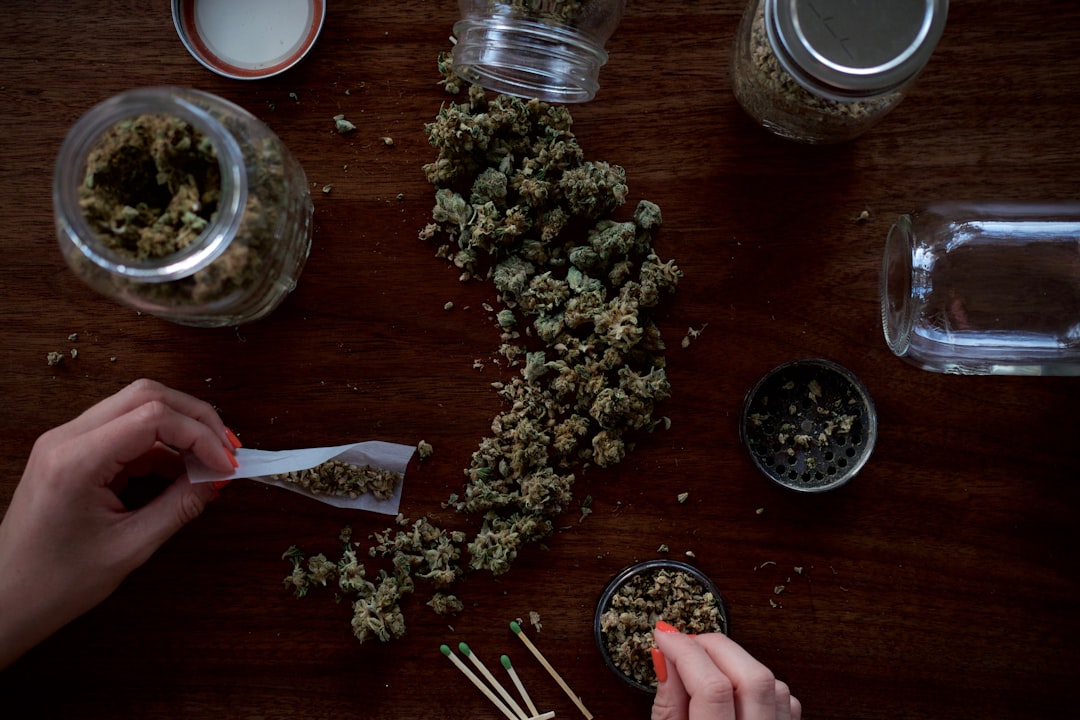
High THC Weed: Who It’s For and When to Go Lower
High THC weed can help some patients, but it’s not always best. Learn THC tolerance, high THC cartridges, and safer options.
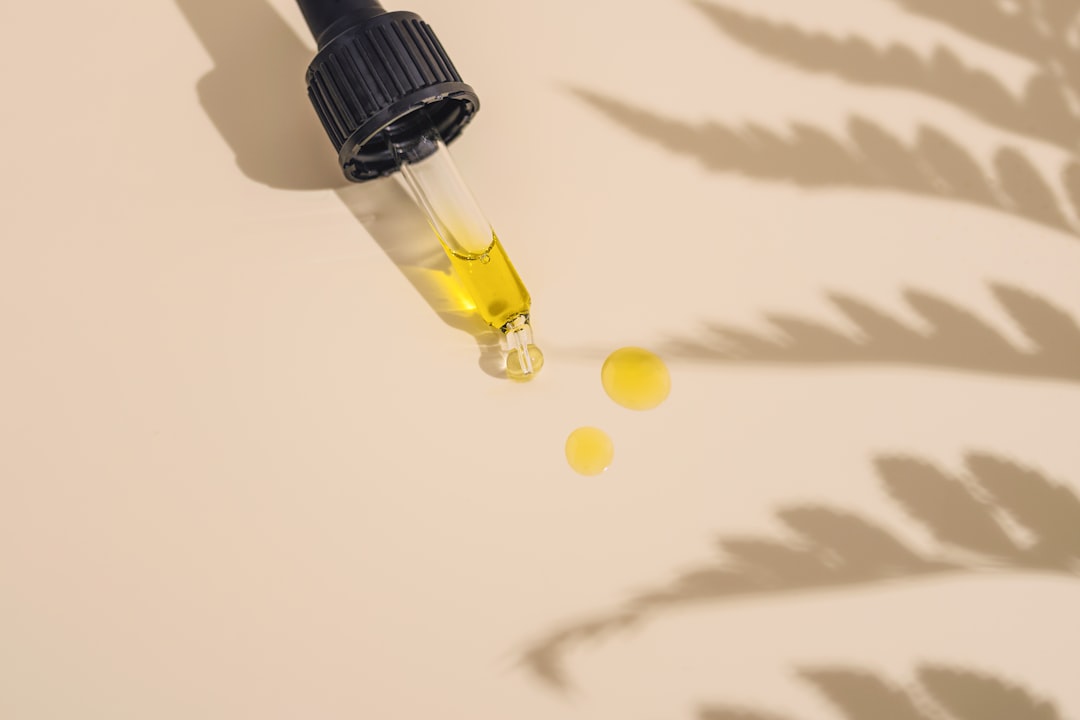
Cannabis tincture can feel like the “training wheels” of medical cannabis in the best way: it’s quiet, smoke-free, and you can measure what you take without guessing. The part that trips most people up is not the bottle or the dropper, it’s the how. Do you hold it under your tongue, or do you swallow it like an edible? That choice changes the timeline, the intensity, and how confident you feel deciding whether you need more.
Let’s make it simple, human, and practical so you can start steady and stay in control from dose one.
A cannabis tincture is a liquid cannabis extract suspended in a base like MCT oil, alcohol, or glycerin. It comes in a small bottle with a marked dropper, which is the real beginner-friendly feature. You’re working in milliliters, not “a bite” or “a few puffs.”
In everyday terms, tinctures tend to sit between inhalation and edibles. You can keep it discreet, add it to a routine, and fine-tune your amount in small steps. If you’re still deciding which format fits your day, take a look at our guide Inhalation vs Edibles: A Quick Cannabis Decision Tree for a quick way to match timing and duration to your schedule.
Here’s the big idea: taking a cannabis tincture sublingually vs swallowed changes how your body absorbs it. Even if the THC milligrams are identical, the experience may not be.
If you’re new and want the most predictable “first read,” start with sublingual use. It’s not about being stronger. It’s about being clearer.
Most uncomfortable tincture experiences come from one thing: impatience. You take a small amount, nothing happens immediately, and then you take more… right before the first dose shows up.
These are common timing ranges that help you set expectations:
Food, tolerance, and product formulation all matter, so treat these as guide rails, not promises. If you want a cautious, patient-friendly approach to timing and re-dosing, Leafwell’s guide on how to dose cannabis tinctures is a solid reference.
When you’re learning THC tincture dosing, your goal is not maximum intensity. Your goal is consistency. That usually means starting small, waiting long enough, and only adjusting in tiny steps.
A tip we love because it works: keep a quick note in your phone. Time, method, mg, and how you felt. That little log saves you from “Was it the tincture, or was it the fact I didn’t eat lunch?” moments.
Label reading gets easy once you focus on two numbers:
If your label does not clearly list “mg per mL,” you can calculate it:
Total mg in bottle ÷ total mL in bottle = mg per 1 mL
That’s it. Once you know mg per 1 mL, you can estimate what a half-dropper or quarter-dropper gives you. Valley Greens has a clear walkthrough of this exact math in cannabis tincture dosing calculations.
| What you’re looking for | Why it matters |
|---|---|
| Total THC (mg) and or Total CBD (mg) | Helps you calculate dose size and compare products fairly |
| Bottle size (mL) | Needed to compute mg per mL |
| Serving size (often 1 mL) | Shows what the manufacturer considers one measured dose |
| THC:CBD ratio | THC-forward products are more intoxicating; balanced ratios may feel gentler for some patients |
| Carrier oil or base | Changes taste and whether it mixes easily if you plan to swallow it in food or drink |
On a normal week, you might use both methods depending on what you’re trying to do. Here’s a simple way to think about it:
If you ever feel unsure, keep it boring in the best way. Same product, same method, same dose, same time of day for a few tries. That consistency teaches you more than switching things up every time.
At GrowHealthy, we’re big on patient education because you deserve to know what you’re taking and why it’s labeled the way it is. If you have questions about serving sizes, ratios, or how to read a COA (Certificate of Analysis), our team can walk through it with you so you feel confident, not rushed.
If you want one-on-one help, reach out through GrowHealthy customer support. If you already know what you want, you can browse options on our Shop All medical cannabis menu for Florida pickup or delivery availability.
Is cannabis tincture better sublingual vs swallowed when you’re new?
Most beginners do best starting sublingually because the onset is usually faster and easier to track. Swallowed tincture can take longer to show up, so it’s easier to accidentally take a second dose too soon.
How long should you hold a cannabis tincture under your tongue?
A common routine is 20 to 60 seconds, then swallow. Pick a hold time and keep it consistent for a few sessions so you can compare your results more accurately.
What’s a reasonable THC tincture dosing starting point?
Many education-focused guides suggest 2.5 to 5 mg THC as a starting range, with slower adjustments over time. If you’re sensitive to THC, start lower and increase in small steps only after you’ve given each dose enough time.
How do you calculate mg per dropper?
First confirm your dropper volume, often 1 mL when filled to the line. Then do total mg THC in the bottle divided by total mL in the bottle to get mg per mL. A half-dropper is roughly half that amount.
Can you mix a cannabis tincture into coffee or food?
You can, but once you mix and swallow, you should expect an edible-like onset. If you want the faster, more predictable tincture experience, use the sublingual method instead.
Cannabis tincture is a great place to start if you want a discreet, smoke-free option that lets you dial in your dose with real precision. Try sublingual first, keep your THC tincture dosing low, and give each dose the time it needs before you adjust. If you want help choosing a tincture, comparing ratios, or double-checking your label math, we’re here for you at GrowHealthy.

High THC weed can help some patients, but it’s not always best. Learn THC tolerance, high THC cartridges, and safer options.
Cannabis topical basics: THC cream vs CBD topical, how they work, and when patients choose topicals for pain without intoxication.
GrowHealthy patient care policy explained: dispensary rules, Florida patient requirements, IDs, safety standards, and smoother visits.