
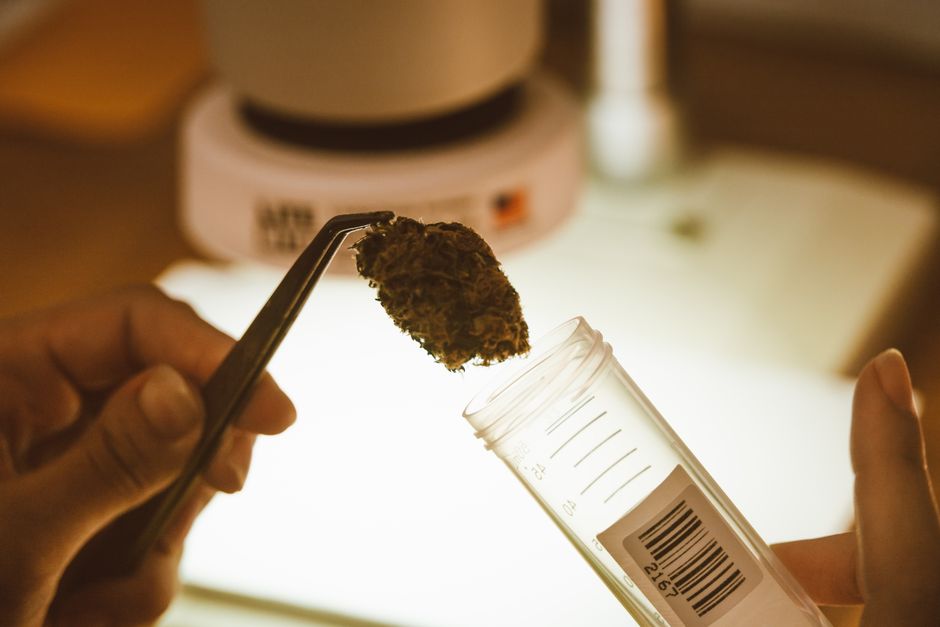
Cannabis Lab Testing: 5 Contaminants Labs Screen For
Cannabis lab testing checks pesticides, heavy metals, microbials, residual solvents, and mycotoxins to keep patients safe.

Why strains feel different is something you usually notice the moment you think you have your routine dialed in. You pick up a strain that fits your evenings perfectly, then the next jar with the same name leans brighter, feels lighter, or just does not land the same way. That is not you being picky. A strain name helps you navigate, but it is not a promise of identical chemistry every time.
At GrowHealthy, we see this all the time, especially with patients who rely on medical cannabis for steady, repeatable support. The good news is you can get a lot more consistency once you know what to look at, and it is simpler than it sounds. Let’s walk through the two big drivers: phenotypes and batch variation, plus how to use lab results to shop smarter.
Picture a strain name like a family name. The genetics are the blueprint, but the plant you actually end up using is the real-world version of that blueprint. That real-world expression is the phenotype. It is what shows up in the aroma, flavor, bud structure, and the cannabinoid and terpene levels in your specific product.
When a grow starts from seeds, you can get a bunch of siblings that are related, but not identical. One might put out more limonene, another might lean heavier into myrcene, and another might stack cannabinoids a little differently. That is why the same strain label can sometimes feel like it has a different “personality” depending on which phenotype is behind that batch. If you want a straightforward explanation, Cannabis Training University’s overview of cannabis phenotypes breaks down how those differences show up even within one named strain.
It is normal to glance at THC first. Most people do. But if you have ever tried two batches at similar THC percentages and had totally different results, you have already learned the key lesson: THC is only one part of the story.
What tends to steer the feel is the full cannabinoid and terpene profile for that exact lot, including minor cannabinoids and the dominant terpenes that come through in testing. Many patients describe this as the “entourage effect” idea, where compounds work together in a way that shapes the overall experience. A medically reviewed primer on how cannabis terpenes interact with cannabinoids is a useful reference if you want the bigger picture without getting lost in jargon.
Here are a few terpenes you will see often, plus the kind of notes patients commonly associate with them. Think of these as signposts, not guarantees.
Let’s say a cultivator runs the same phenotype again and again. You might assume that means the results will be identical every time. In real life, cannabis is still a plant, and plants respond to their environment.
Small changes add up. Light intensity, temperature, humidity, nutrients, irrigation timing, harvest window, and curing conditions can all nudge the final cannabinoid and terpene expression. Storage matters too, since terpenes are volatile and can fade with time, heat, or frequent exposure to air.
This is not just dispensary talk. Research published in PubMed Central on cannabis chemical profiles across genetics and environments highlights measurable shifts in cannabinoid and terpene composition tied to both genetics and cultivation conditions. Translation: even when the name stays the same, the chemistry can drift a bit from harvest to harvest.
You have probably heard the classic shortcut: indica for night, sativa for day. Sometimes that lines up with your experience, sometimes it does not.
Those categories started more as plant descriptors than effect guarantees. If you want more predictable shopping, you will usually do better by reading the lab results for the specific batch in your hand and watching for terpene patterns that match what you already know works for you.
If you want strain consistency, the best move is building a simple habit: when something works, keep the batch details. When something does not, note that too. Over time you start recognizing your “type,” and it is often a terpene pattern, not a strain name.
We make that easier by publishing batch lab results, so you can compare what you are buying now to what worked last time. Start with GrowHealthy COA (Certificate of Analysis) test results and look at the cannabinoid totals plus the top terpenes.
If you want a step-by-step method for saving the right info, use our guide to cannabis lot numbers and how to re-find what works. It is the easiest way to build your own “repeat list,” especially if you like to rotate formats like flower, vapes, concentrates, edibles, or tinctures.
You do not need to memorize chemistry. You just need a consistent way to compare one product to the next.
If you ever want a second set of eyes on two COAs, we can help you compare. Reach out through GrowHealthy customer support and tell us what you liked, plus the batch details you have. We will point you toward similar profiles that are available now.
Why do two products with the same strain name feel different?
Most often, you are seeing either different phenotypes under the same strain name or normal batch-to-batch shifts from cultivation, harvest timing, curing, and storage. Even modest terpene changes can be noticeable in your day-to-day routine.
Is a higher THC percentage the best predictor of effects?
Not usually. THC matters, but it does not explain everything. The cannabinoid and terpene profile often does a better job explaining why two products with similar THC can feel pretty different.
How do I improve strain consistency for my routine?
Use the COA each time, save the lot number for batches you like, and watch for repeating terpene patterns. After a few purchases, you will have a clearer map of what tends to work for you.
Does cultivation environment affect the chemical profile?
Yes, it can. Evidence in the scientific literature shows that genetics and growing conditions both influence cannabinoids and terpenes, which can translate into differences from one batch to the next.
Why strains feel different comes down to real plant variables: genetics set the options, phenotypes determine which traits show up, and batch variation can shift the cannabinoid and terpene profile from harvest to harvest. If you focus on COAs and lot numbers instead of relying only on strain names and THC, you will usually get more predictable results. When you want help matching a past favorite to what is on the menu now, contact GrowHealthy and we will help you compare batches and find a profile that fits your goals.

Cannabis lab testing checks pesticides, heavy metals, microbials, residual solvents, and mycotoxins to keep patients safe.
Florida MMJ doctor vs dispensary explained: who certifies, who dispenses, and which questions to ask in Florida’s MMUR system.

Too high from edibles? Learn calming techniques, what not to do, and a realistic wait-it-out timeline for too much THC.