
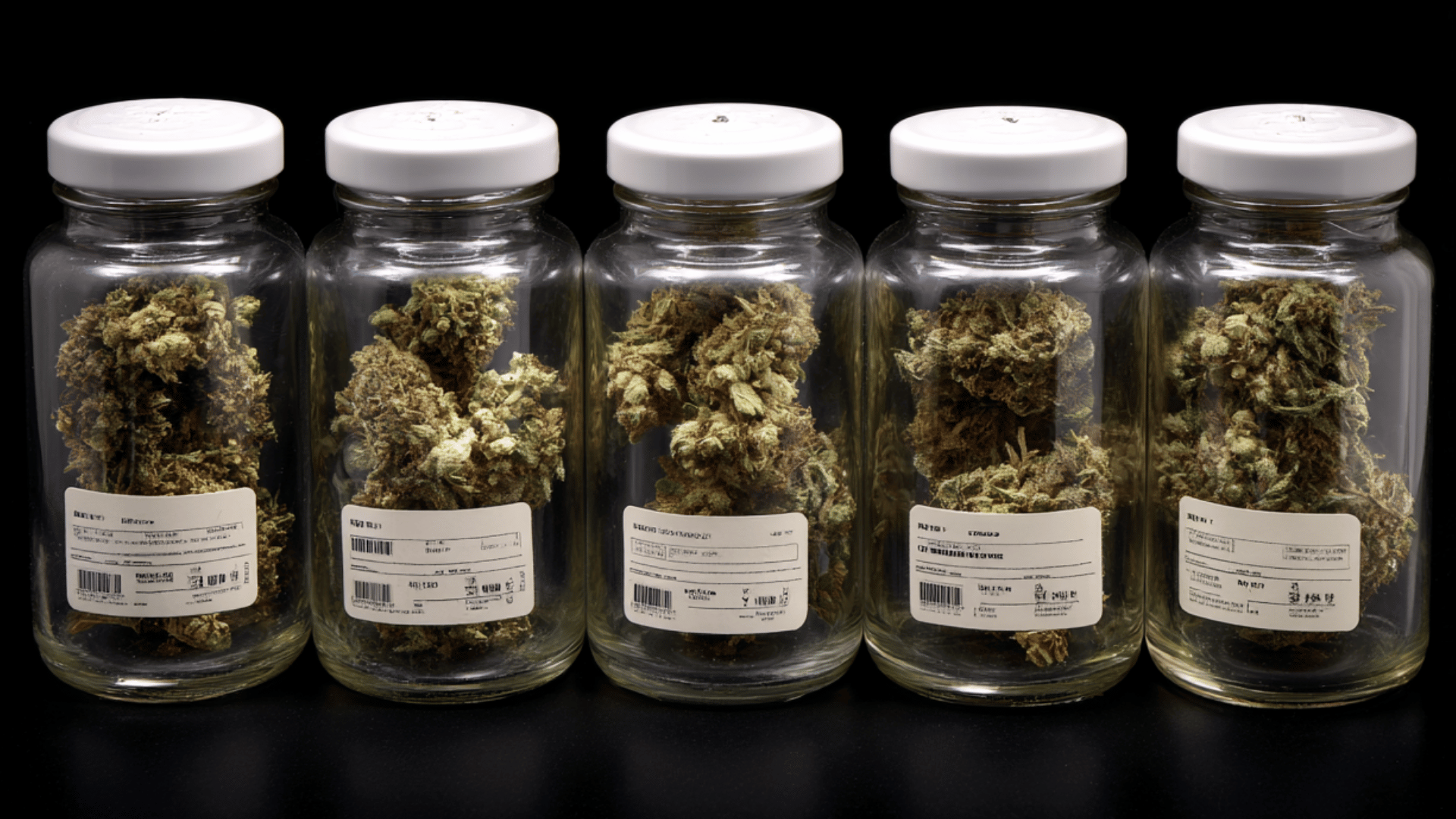
Cannabis lot number info can look like label noise until the day you find a flower or vape that fits your routine perfectly, then the “same” product feels different the next time you pick it up. If you shop in Florida’s medical cannabis program, those little strings of letters and numbers are one of the easiest ways to bring some consistency back into the process. They help you connect what you bought to what was tested, so you can compare batches instead of guessing.
This guide breaks down what a cannabis lot number and batch ID actually mean, how they connect to a COA (Certificate of Analysis), and how you can use GrowHealthy’s COA lookup to re-find products that work for you, even when inventory shifts.
What a cannabis lot number actually means (in real life)
A cannabis lot number is a unique ID assigned to a specific production run. Depending on the product, that run might be:
- a single harvest and packaging run for flower
- an extraction run for concentrates or RSO
- a manufacturing batch for vapes, tinctures, edibles, or topicals
Here’s the part that matters to you: even when the product name is identical, a new batch can land a little differently. Medical cannabis is an agricultural product, and small differences in cultivation, harvest timing, or processing can shift cannabinoids and terpenes. If you’re trying to repeat an experience you liked, the product name gets you close, but the lot number is what helps you confirm what you’re actually buying.
Why cannabis lot number tracking exists (and why you benefit)
Lot and batch tracking is not just a “nice to have.” It’s part of how regulated medical cannabis stays accountable. If there’s ever a quality concern, lot tracking helps identify exactly which products are affected without creating confusion for everyone else.
If you’re curious about how lot IDs and traceability are typically handled in regulated packaging, this overview from Marijuana Packaging gives a practical explanation of why batch numbers, expiration dates, and lot tracking show up on labels.
For you as a GrowHealthy customer, the upside is simple: you can verify what’s in your product and build your own “this works for me” reference over time.
Your cannabis lot number is only half the story: match it to the COA
A COA, short for Certificate of Analysis, is the lab report tied to a specific lot or batch. It usually includes cannabinoid potency, terpene results, and safety testing. The key is making sure you’re looking at the COA that matches the exact product in your hand.
GrowHealthy makes that easy. On your package label, you’ll find a COA barcode ID. Enter it on the official GrowHealthy test results page at GrowHealthy Test Results to pull the third-party lab report for that specific product.
When you open the COA, start by confirming the product and sample details match what you purchased. Metrc also shares a helpful consumer-facing walkthrough on how to read a cannabis COA with confidence at Metrc’s COA reading guide.
How to use a GrowHealthy cannabis lot number to re-find what works
Think of your lot number and COA barcode ID like the notes you’d keep on a recipe you want to make again. You’re not trying to chase a single THC percentage. You’re trying to recognize a profile that fits you, then spot similar profiles when you shop later.
- Take a quick photo of the label. Do it before the package is tossed or the label gets wrinkled. You want the lot info and the COA barcode ID visible.
- Look up the COA while it’s still fresh in your mind. Pull the report and scan cannabinoids and terpenes, then connect that to how the product felt for you.
- Write one small note you’ll actually reuse. Keep it simple: product name, format, approximate dose, time of day, and two or three effect words that feel accurate to you.
- Next time you shop, compare lots before you commit. If the new batch has a similar cannabinoid and terpene mix, you’re more likely to get a similar experience.
If you want a refresher on how different formats fit into a routine and how to think about amounts responsibly, you can use GrowHealthy dosing info as a starting point. It’s education-focused and designed for real patients, not perfect lab conditions.
What to look for on a COA beyond THC (the stuff people skip)
COAs can look a little intense the first time you open one. You do not need to memorize everything. If your goal is consistency, focus on a few repeatable checkpoints.
- Confirm the match: Make sure the lot or batch information lines up with your package details.
- Cannabinoid balance: Check THC and CBD, then notice whether minor cannabinoids like CBG or CBC show up and at what levels.
- Terpene profile: Terpenes shape aroma and can influence the “character” of the experience. If you tend to like certain flavor families or you notice a particular batch felt more settled or more daytime-friendly, compare terpenes across lots.
- Safety results: Look for pass results on common screening panels like pesticides, heavy metals, and microbials when they’re included on that product’s COA.
If you want the bigger picture on how we think about cultivation, care, and transparency as a flower-first business, you can explore GrowHealthy for more about our approach and what we offer across Florida.
Why the “same” product can feel different from one batch to the next
If you’ve ever grabbed a product you liked and thought, “This isn’t quite the one I remember,” you’re not alone. Usually, it’s not a problem. It’s normal variation across harvests and production runs.
Two lots with the same product name can differ in a few common ways:
- Terpene levels: Small shifts can change aroma, flavor, and overall feel.
- Cannabinoid totals: THC can move up or down, and minor cannabinoids can appear or fade depending on the batch.
- Freshness factors: Time since harvest, packaging date, and storage conditions can influence how vivid a product feels.
This is exactly why your cannabis lot number is useful. It turns “maybe it was that strain” into “it was that batch and that profile.”
Shopping for consistency at GrowHealthy (pickup or delivery)
If consistency is your priority, shop a little like you’re restocking something important, not just trying something random. Keep your label photos and COA notes handy. If you’re in-store, ask the team to help you find the lot information on the packaging so you can compare it to what you’ve saved.
If you prefer ordering from home, you can also plan around delivery. GrowHealthy offers statewide delivery in Florida with limited exceptions. Delivery is free with a $75 minimum purchase, and you can confirm the current details at GrowHealthy delivery.
And if you’re budgeting or shopping around first-time savings, check GrowHealthy discounts for updated everyday deals and new patient offers.
Florida note: rules, labeling, and staying compliant
Florida’s Office of Medical Marijuana Use sets the rules that licensed operators follow, including standards that support tracking and patient safety. If you ever want to read the state guidance directly, you can review Florida’s official program rules at OMMU Rules & Regulations.
If you are still early in your medical cannabis journey and you’re figuring out the Florida State Issued Medical Card process, this step-by-step overview is a solid reference: How to get a medical marijuana card in Florida.
FAQ: cannabis lot number, batch IDs, and COAs
Is a cannabis lot number the same as a batch number?
Most of the time, yes. Brands may use “lot number,” “lot ID,” or “batch number,” but the purpose is the same: it ties your product to a specific production run and its lab results.
Where do you find the COA barcode ID on GrowHealthy products?
It’s printed on your product label. Use that ID on GrowHealthy Test Results to pull the COA connected to the product you purchased.
What if you threw away the packaging?
Without the label, it’s tough to confirm the exact COA for what you used. Going forward, a quick label photo on day one saves you a lot of hassle later.
Does higher THC automatically mean it will work better for you?
Not necessarily. Many patients find their best fit comes from a particular mix of cannabinoids and terpenes, plus the right format and a responsible amount for their tolerance. COAs help you compare profiles, not just chase potency.
Can you request a specific lot when you shop?
You can ask what lot is currently available and compare it to your notes. Inventory changes but having a lot number or COA barcode ID makes the conversation more specific and more helpful.
If you have questions about a COA, who can help?
If you want help finding your COA or understanding what you’re looking at, reach out through GrowHealthy Contact Us. You’ll get guidance focused on education and transparency, not pressure.
Conclusion: use your cannabis lot number like a practical reorder tool
Your cannabis lot number is not just a compliance detail. It’s a simple way to connect a product you liked to verified lab results, then use that information to shop smarter next time. Save the label, pull the COA, and jot down what you noticed. Over time, you’ll build a personal reference that makes it easier to re-find what works for you across flower, vapes, concentrates, edibles, tinctures, topicals, and RSO.