

Florida MMJ Allotment Guide: MG Limits & 70‑Day Rules
Learn Florida MMJ allotment rules: mg limits by route, flower caps, and how to check MMUR allotment before you shop.
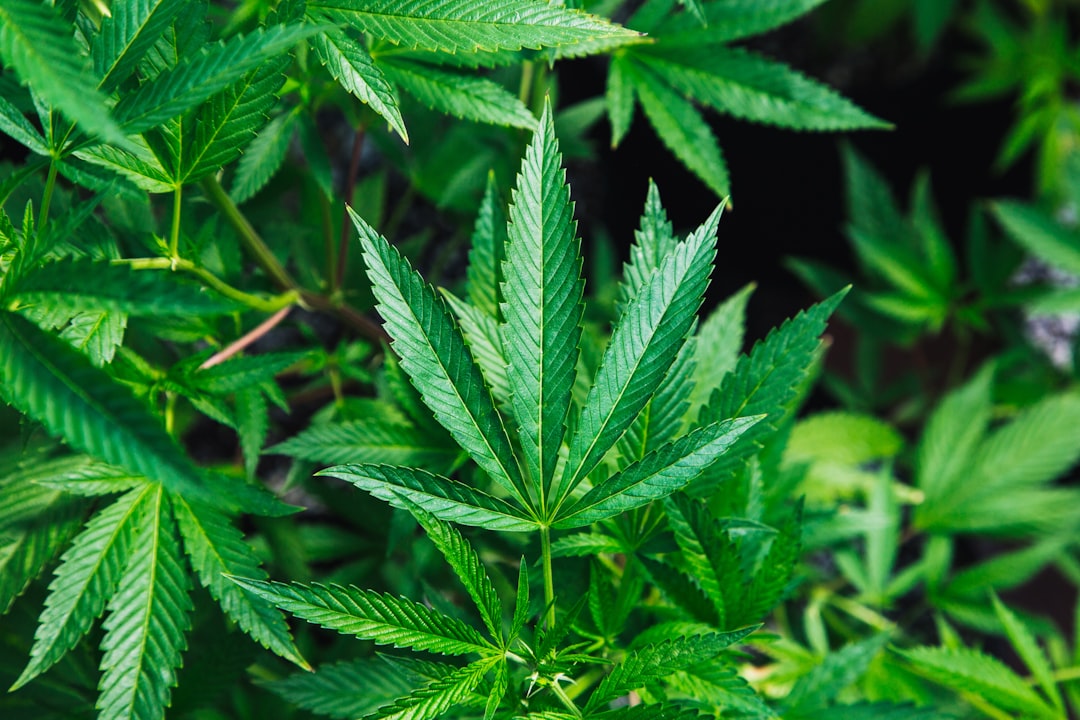
THC tolerance has a way of creeping in quietly. You find a routine that feels dependable, then one day your usual edible, vape, or flower session feels softer, shorter, or just not quite there. If you’ve caught yourself thinking “edibles not working” or “why isn’t my medical cannabis working like it used to,” you’re not alone, and it’s not a personal failing.
Most of the time, this is what patients call a tolerance plateau. Your body has simply gotten used to a steady level of THC. Before you jump straight to a higher dose (and a higher bill), there are a few practical moves you can try that often bring you back to a lower, more consistent amount.
THC interacts with your endocannabinoid system, especially receptors called CB1 that are found throughout your brain and nervous system. With frequent THC exposure, your body can “turn down the volume” by making those receptors less responsive or less available. Researchers describe this as receptor downregulation and desensitization. That’s one reason a dose that used to feel steady can start feeling muted over time, similar to the mechanism described in Healthline’s overview of tolerance breaks and cannabis tolerance.
A plateau rarely means you feel nothing at all. More often, it looks like this:
If you use medical cannabis as part of an ongoing wellness routine, tolerance can be sneaky because things still kind of work. The better question is whether your outcomes are drifting.
Edibles can be amazing, but they’re also the format that most often gets blamed unfairly. When you take an edible, your liver converts delta-9 THC into 11-hydroxy-THC, which many patients feel as longer-lasting and sometimes stronger than inhaled THC. That basic difference in metabolism and duration is well summarized by Leafly’s guide to how long edibles take to kick in.
Here’s the part that matters for plateaus: your CB1 receptors respond to THC exposure regardless of whether it came from edibles, tinctures, flower, vapes, or concentrates. So if your tolerance is already up from frequent use, switching to edibles does not automatically give you a clean slate.
It’s completely normal to try a “format switch” when you hit a plateau. Sometimes it helps because the onset and duration are different, and the experience can feel smoother or easier to control. But it doesn’t fully bypass tolerance, since it’s still THC interacting with the same endocannabinoid system.
If you want a quick refresher on how different formats behave, GrowHealthy keeps an easy reference on Dosing Information, including what to expect with onset and duration. That’s especially helpful when you’re trying to make changes without overcorrecting.
Increasing your dose can work in the short term. The catch is that it often pushes the plateau further down the road, plus it can bring side effects you did not sign up for, like grogginess, anxious feelings, or a heavy next morning. If your goal is steady, predictable results, try these first.
Sometimes the issue is not tolerance at all. A few common culprits show up again and again:
If you like structure, this week-long reset is designed to lower your overall THC load without leaving you guessing.
If your routine is mostly edibles, keep the mg the same for several days and change only one variable at a time, like taking it with a consistent snack. If your routine is mostly inhaled, focus on fewer sessions and smaller amounts per session.
When you’re trying to manage THC tolerance, consistency is your best friend. That includes knowing what’s in your product and being able to verify it. GrowHealthy makes it easy to check lab testing through our COA Test Results page, so you can confirm cannabinoid content while you make careful changes.
If you want to explore formats without guessing, start by browsing Shop All and filtering by category and potency. It’s a straightforward way to support a lower-and-slower reset while still staying within what fits your day.
And if you are working within Florida’s medical program and want to double-check current rules, the state’s official resource is the Office of Medical Marijuana Use. You can review the latest guidance on the OMMU Rules & Regulations page.
A THC tolerance plateau is a normal biological response to repeated THC exposure. When your usual routine starts feeling weaker, the most helpful next step is often not “take more.” It’s a small reset, a little more spacing, and a simpler routine you can actually measure.
If you want help thinking through formats, onset and duration, or how to build a steadier plan with lab-tested products, GrowHealthy is here for patient-first guidance across Florida. If you are also looking to stretch your budget while you reset, take a look at GrowHealthy discounts for current savings.
Note: GrowHealthy provides educational information and product guidance, but we do not diagnose, treat, or cure medical conditions. For personalized medical advice, consult a qualified healthcare professional.

Learn Florida MMJ allotment rules: mg limits by route, flower caps, and how to check MMUR allotment before you shop.
Mind Body Balance cannabis makes shopping easier. Learn sativa indica hybrid effects and how to shop by effect with COAs.
High THC weed can help some patients, but it’s not always best. Learn THC tolerance, high THC cartridges, and safer options.