
Cannabis Lab Testing: 5 Contaminants Labs Screen For
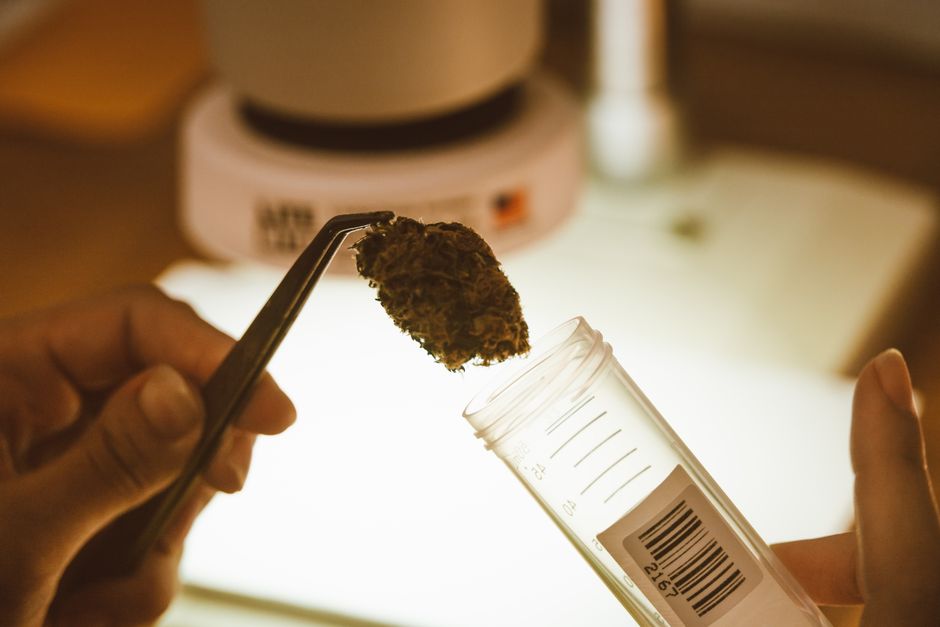
Cannabis lab testing checks pesticides, heavy metals, microbials, residual solvents, and mycotoxins to keep patients safe.
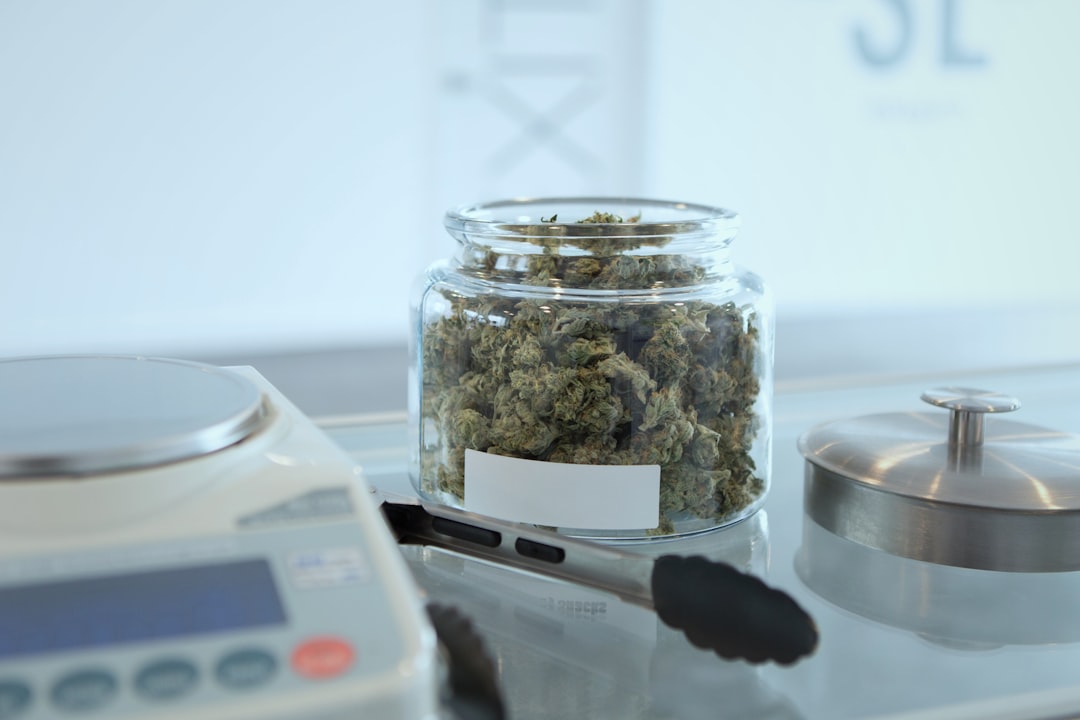
THC percentage meaning is usually the first thing your eyes land on when you pick up a jar or look at a product page, but it is not the whole story. If you have ever tried two options with similar THC numbers and ended up with two totally different experiences, that is normal. Your label is more like a quick cheat sheet: potency basics, a few clues about the chemistry, and a way to trace that exact batch back to lab results.
Below, we will break down what those numbers and terms are actually telling you at GrowHealthy. You will learn how to read THC percent without getting hung up on it, how total cannabinoids adds context, why cannabis terpenes can change the feel even when THC looks similar, and how a cannabis lot number helps you re-find what works.
On a label, THC percentage is the amount of delta-9 THC reported as a percentage of the product’s weight. With flower, that number is typically based on dry weight, which is why people often translate it into milligrams per gram when they are trying to compare options. A straightforward explainer from Leafly’s guide to THC and CBD levels describes how THC and CBD levels commonly show up on packaging and lab results as percentages, making it easier to compare products in the same category.
What that % does not tell you is how you personally will respond. Your tolerance, how you consume, what you ate that day, your comfort level, and the rest of the plant compounds all play a role. If you want a simple way to think in milligrams and pace yourself, keep our dosing information for Florida medical cannabis patients bookmarked and use it as your “start low and go slow” reminder.
Flower labels can look a little busy because you may see THCA listed alongside THC. THCA is the “acid” form found in raw cannabis. It is not intoxicating in that form, but heat converts it to THC when you smoke, vape, or cook with it. That is why many labs also show Total THC: it is THC that is already present plus an estimate of what THCA could become after heat is applied.
If you are comparing two flower options, a practical move is to compare Total THC to Total THC instead of trying to eyeball THC versus THCA line-by-line. It is not perfect, but it is closer to an apples-to-apples look at likely potential when you are using heat.
| Label term | What it means in plain English | When you use it |
|---|---|---|
| THC | THC already present in the sample | Helpful baseline, especially across similar formats |
| THCA | Raw, non-intoxicating form that can convert with heat | Most relevant for flower and products you heat |
| Total THC | THC + estimated THC after THCA conversion | Best quick-compare number for smoked or vaporized flower |
Total cannabinoids, sometimes listed as TAC (Total Active Cannabinoids), is the sum of the cannabinoids the lab measured in that product. In addition to THC-related numbers, that can include cannabinoids like CBD, CBG, and CBN, depending on the product and the lab panel.
In real shopping terms, TAC helps you spot when a product has more going on than “mostly THC.” Two flower jars can sit at similar Total THC, but one may have a bit more of certain minor cannabinoids that changes the overall character for you. If you see a TAC number that looks unusually high for the type of product, that is a good moment to pull the COA and sanity-check the details rather than trusting the front label alone.
Cannabis terpenes are aromatic compounds that shape the scent and flavor you notice the second you open a jar. They are not intoxicating on their own, but many patients pay attention to them because terpene profiles often line up with the “feel” they associate with a product. Terpenes also show why chasing a strain name alone can be hit or miss, since the same name can vary batch to batch depending on how the plant was grown and cured.
Want a simple way to start? Use your nose and your notes. If you consistently like bright citrus aromas, you will probably keep gravitating toward certain terpene mixes. If you like deeper, earthy profiles, that points you in a different direction. Over time, terpenes become one of the most repeatable label clues you can use.
Your cannabis lot number (also called a batch number or batch ID) is the alphanumeric code that ties your exact product to a specific production run. In Florida’s regulated medical market, lot numbers matter for traceability and consistency. More importantly for you, they make it possible to re-find the batches that fit your routine instead of starting from scratch every time.
When you have a lot number, you can match it to the COA (Certificate of Analysis) for that exact batch. Use our COA test results lookup to verify potency, terpenes, and required safety screening. If you want a deeper guide on using lot numbers like a “save button” for the products you like, check out Cannabis Lot Number Basics: Re-Find What Works.
If you want a label routine that is quick and actually useful, try this order:
One more practical tip: if you find something you genuinely enjoy, jot down the top 2 to 3 terpenes and the lot number in your phone. Next time you shop, you can look for that same terpene “shape” even if the product name is different.
Florida’s medical cannabis program is regulated through the Office of Medical Marijuana Use (OMMU), and patient-facing rules can shift as the program evolves. If you ever want to confirm the latest official guidance, use the OMMU rules and regulations page as your reference point.
From your perspective as a patient, the main takeaway is simple: a batch-specific COA is your best proof of what is in your product and that it passed required safety screening. If something on your label does not match what you see on the COA, or you just want help making sense of the numbers, reach out through the GrowHealthy Contact page. We will walk through it with you in plain English, no pressure and no pushing you toward the biggest THC on the menu.
Does higher THC percentage always mean stronger effects?
Not always. THC percentage meaning is best treated as a starting point. Your tolerance, terpene profile, minor cannabinoids, and how you consume can all change how intense something feels and how long it lasts for you.
What is the difference between Total THC and THC on flower labels?
THC is what the lab measured as THC. Total THC usually includes an estimate of how much THCA could convert into THC with heat, which is why Total THC is often the better quick-compare number for flower you smoke or vape.
Is total cannabinoids (TAC) the same as THC?
No. Total cannabinoids is a broader sum that includes THC plus other cannabinoids the lab measured. It is useful when you want context beyond one number.
Which cannabis terpenes should you look for?
The best terpene profile is the one that matches your past positive experiences and your goals. If you are new, start by noticing whether you prefer citrus-forward, piney, earthy, or floral aromas, then track what lines up with your comfort level across batches.
How do you use a cannabis lot number?
Use it to pull the exact COA for your batch and keep a personal record of what you liked. If you want help matching a lot number to lab results or comparing two batches, contact us through the GrowHealthy Contact page.
Once THC percentage meaning clicks, labels stop feeling like trivia and start feeling useful. Use THC or Total THC as a baseline, total cannabinoids for extra context, cannabis terpenes for the “why this feels different” clues, and your cannabis lot number to tie it all back to batch-specific testing. When you want a second set of eyes, we are here to help you shop GrowHealthy with confidence.

Cannabis lab testing checks pesticides, heavy metals, microbials, residual solvents, and mycotoxins to keep patients safe.
Florida MMJ doctor vs dispensary explained: who certifies, who dispenses, and which questions to ask in Florida’s MMUR system.

Too high from edibles? Learn calming techniques, what not to do, and a realistic wait-it-out timeline for too much THC.