

Live Resin vs Live Rosin: What’s the Real Difference?
Live resin vs live rosin: learn extraction, flavor, carts, safety, and cost differences so you can choose the right concentrate.
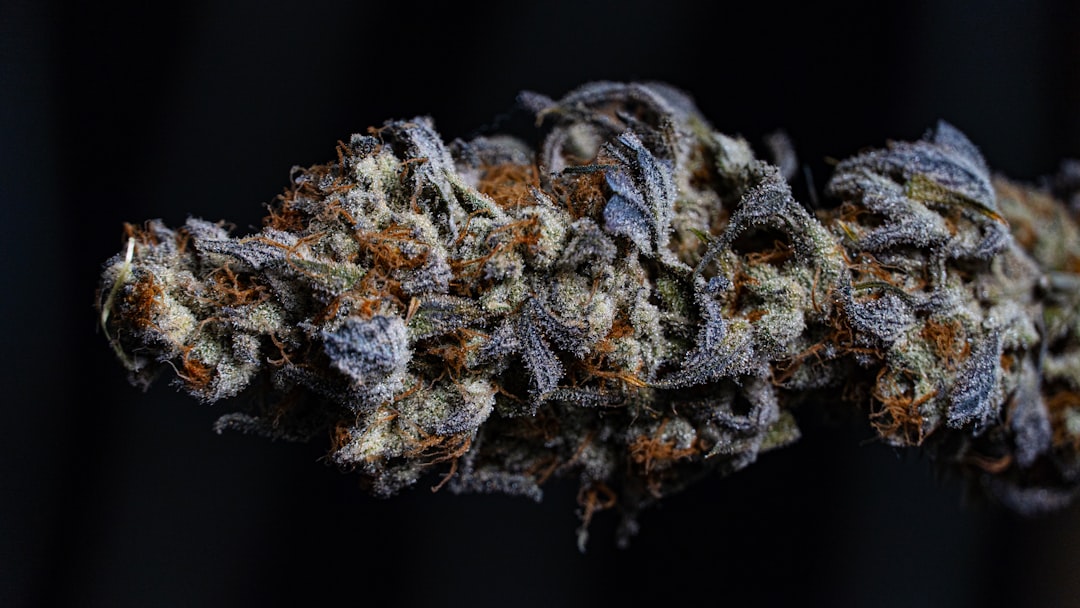
Your terpene profile is the quickest way to pick a strain with more confidence than staring at the biggest THC number on the label. THC can turn the volume up, sure. But terpenes often decide what kind of “song” you’re listening to, like calm and cozy, bright and social, or clear and get-things-done.
At GrowHealthy, we’re a flower-first team. We talk about genetics, aroma, and lab results because you deserve consistency, not guesswork. If you have ever tried a high-THC product that still did not fit the moment, you already understand why this matters.
Terpenes are natural aromatic compounds found in cannabis and in everyday plants like citrus peels, pine needles, and lavender. They show up as smell and flavor first. Then, for many patients, they show up as the “shape” of the experience when paired with cannabinoids like THC and CBD.
You will hear people call this the entourage effect, meaning the plant’s components can feel different together than they do in isolation. Research is still evolving, and everyone’s endocannabinoid system is different. Still, as a practical shopping tool, terpene data is one of the most useful clues you can get.
If you want a straightforward overview of how terpenes work in the plant world, the Encyclopaedia Britannica terpene guide is a solid read.
We see this all the time: you grab a flower that tests at 25% THC, expecting a perfect fit, and it ends up feeling edgy, foggy, or just not very satisfying. Then you try something at 16% to 19% THC with a richer aroma and suddenly it feels more balanced. That is not your imagination.
Here is the simplest way we explain it in-store:
Also, THC testing has real-world variability across labs and batches. If you want context on why cannabinoid numbers can shift, the Leafly explainer on COAs does a nice job breaking down what those reports mean.
If you want a repeatable way to shop, use this order. It keeps you focused on what you actually want, not what looks impressive on a label.
You can verify terpene and cannabinoid content any time by using our COA (Certificate of Analysis) Test Results hub.
Below are common patterns patients look for. This is not a promise of specific effects, and it is not medical advice. It is a practical starting point you can personalize with your own notes and your physician’s guidance.
| Goal you’re shopping for | Terpenes you’ll often see | How patients commonly describe the feel |
|---|---|---|
| Evening relaxation, decompressing, sleep support | Myrcene, linalool, beta-caryophyllene | Body-forward, calmer tone, less “busy” |
| Daytime energy and a brighter mood | Limonene, pinene | More lifted, clearer, more upbeat for some |
| Balanced daytime, creativity, steady focus | Caryophyllene, limonene, humulene | Even-keeled, not too heavy, not too wired |
| Grounded physical comfort | Caryophyllene, linalool, humulene | Settled, anchored, more “in the body” |
If you are still shopping mainly by indica, sativa, or hybrid, you are not doing it wrong. You are just missing some of the best info. This is why we recommend pairing those labels with chemistry data in our guide Indica vs Sativa vs Hybrid: A Modern Guide for Medical Patients.
Most people learn the headliners first, like myrcene or limonene. The fun part comes later, when you notice the supporting cast. A strain that is limonene-forward can feel smoother when caryophyllene is in the mix. A pinene note alongside limonene is often what patients point to when they say, “This one feels clearer.”
When patients ask us for high terpene strains, they usually mean products that smell vivid, taste distinct, and feel more layered. You will often notice it before you even check the lab report. The aroma has depth. The flavor sticks around. The experience tends to feel more “complete.”
Here are quick signs you are in terpene-rich territory:
Terpene preservation matters even more in concentrates, where the goal is often to keep the strain’s character intact. If you have been curious about solventless options, we break it down here: What Is Live Rosin? Why Patients Love Solventless Concentrates.
You do not need a spreadsheet to get better results. Start simple: pick two terpenes you tend to like, then look for them in the top three of the terpene profile. When you find a match, check the COA, choose your format, and keep your dose responsible.
If you want to browse what is available across flower, vapes, concentrates, edibles, and tinctures, head to Shop All. If you are trying to stretch your budget, our savings are listed here: Learn About Our Discounts.
A small tip that actually works: keep a note on your phone with four lines. Strain name, top terpenes, THC and CBD, then how you felt at 30 minutes and again at 2 hours. After a few tries, patterns show up fast.
Medical cannabis is personal, and responsible use matters. Start low, go slow, and check in with your physician for guidance that fits your situation.
If you have ever bought a product with a huge THC number and felt underwhelmed, you are in good company. When you shop by terpene profile, you shop for the experience you want, not just raw intensity. Over time, you build your own “terpene playbook,” and strain selection gets easier.
When you are ready, explore what is available at GrowHealthy and use our COA Test Results to guide your picks. If you want help interpreting a terpene profile, ask our team. We will meet you where you are.

Live resin vs live rosin: learn extraction, flavor, carts, safety, and cost differences so you can choose the right concentrate.
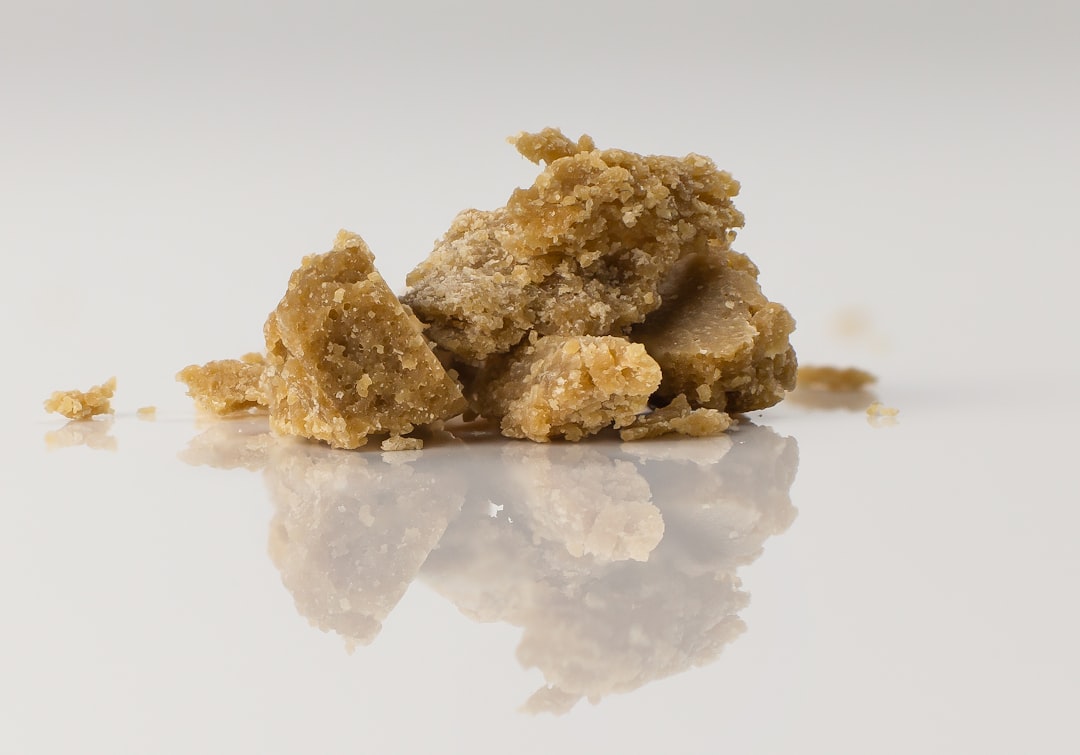
What is cured resin? Learn cured resin vs live resin, distillate, and cured resin carts so you can choose the right vape or dab.

THCA vs THC on labels explains potency. Learn what is THCA, how heat converts it to THC, and how to read total THC.