
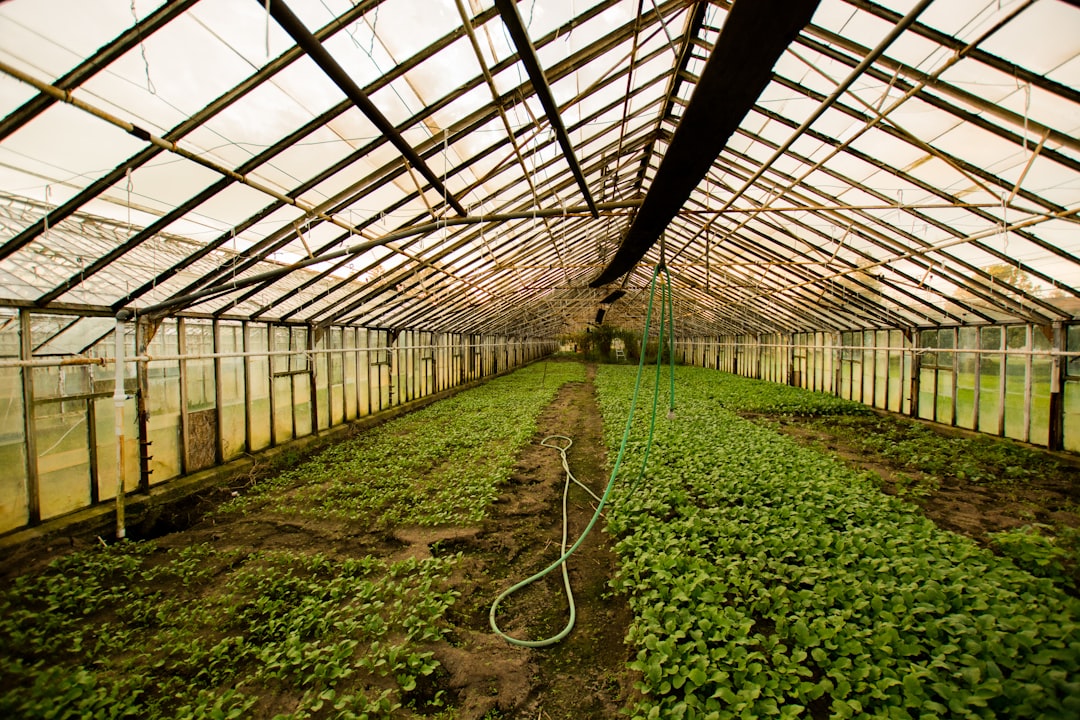
Indoor vs Outdoor Weed: How Growing Impacts Quality
Indoor vs outdoor weed can taste, look, and feel different. Learn how indoor, outdoor, and greenhouse grown cannabis shape potency, terpenes, and pric...

The Blue Dream strain is the kind of classic you can come back to when the menu is packed with new names and you just want something that makes sense. If you like a balanced hybrid that feels upbeat without pushing you into the couch, Blue Dream has earned that reputation the old-fashioned way: it shows up, it feels familiar, and it fits a lot of real-life moments.
This guide is written for you, the GrowHealthy patient who wants the practical stuff. What Blue Dream is, what you might notice from Blue Dream effects, how it tastes, where potency usually lands, and how to shop smarter in Florida by using the COA (Certificate of Analysis), not just the strain name.
Blue Dream is usually described as a sativa-dominant hybrid that became a staple on the West Coast and then basically everywhere. Most strain histories list it as a cross between Blueberry and Haze, which is a good clue to the overall vibe: fruit-leaning flavor with an uplift that tends to stay clear-headed.
You’ll often see it quoted around 60% sativa and 40% indica. That split is not a promise, but it helps explain why many patients reach for it when they want a “do things” strain instead of a “cancel plans” strain. For a quick snapshot of commonly reported genetics and general potency ranges, you can check the Blue Dream profile on StrainPedia.
One important reality check: today’s cultivation is fast-moving. Different growers may run different phenotypes, and curing practices can shift the experience. So treat “Blue Dream” like a useful label, then let the lab results confirm what you’re actually buying.
When you hear people talk about Blue Dream strain favorites, they usually mean the same thing: it tends to feel balanced. Not too racy, not too heavy. For many patients, the first thing that shows up is a mental lift, then a softer body calm that does not necessarily shut you down.
Here are Blue Dream effects patients commonly describe (your mileage can vary based on tolerance, format, and the batch’s cannabinoids and terpenes):
If you’ve had one batch feel more “bright” and another feel more “calm,” that’s not in your head. Phenotype and terpene differences can change the overall feel, even under the same strain name. The overview from MMJ Health is a helpful reminder that consistency is relative, and that your best tool is checking the lab report for the specific batch.
Part of why Blue Dream sticks around is simple: a lot of patients just enjoy the sensory side of it. When the cure is on point, Blue Dream often comes across as sweet and berry-forward, followed by a light herbal or floral note. Some batches finish a little earthy, which keeps it from tasting overly candy-like.
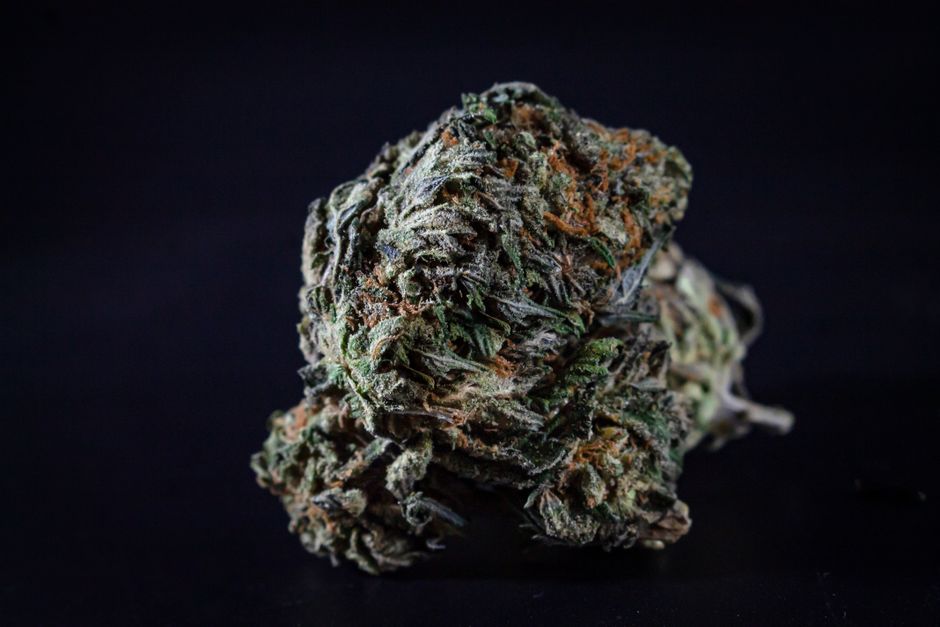
What you see in the jar can vary, but Blue Dream flower often shows:
If flavor matters to you (and it should, because it’s tied to terpenes), keep a quick note in your phone after you try a batch. Two sentences is enough: how it smelled, how it tasted, and whether you’d buy it again.
Potency is where a lot of people get tripped up. Blue Dream often tests in the high teens to mid-20% THC range, with low CBD in many batches. That’s plenty for most patients, especially if you’re using it during the day or you’re newer to medical cannabis.
Here’s the better way to think about strength: THC is only one piece. If you have ever tried a lower-THC batch that felt “perfect,” you already know the point. Terpenes and overall chemistry matter, and they can change how that THC feels for you.
If you want a more predictable experience, shop like you’re building a routine, not chasing a number. The smartest move is checking the COA (Certificate of Analysis) for the exact batch you’re considering. GrowHealthy makes that easy with the COA Test Results hub, where you can review cannabinoid potency and terpene content.
If you want a simple way to read terpene info without getting lost in jargon, you’ll like GrowHealthy’s breakdown in Terpene Profile: How to Pick a Strain Beyond THC. It helps you connect lab data to what you actually want to feel.
When you’re comparing Blue Dream batches, keep it basic. Track:
Blue Dream’s reputation for being “easy” can make it tempting to overdo it, especially if your batch is testing high. If you’re dialing it in, give yourself a little structure. Start small, wait, then decide. That applies even more when you switch formats.
For a patient-friendly refresher on timing and serving size by product type, use GrowHealthy’s Dosing Information page. It’s a good one to bookmark and come back to whenever you try a new potency or format.
Since you’re shopping in Florida’s medical program, it helps to stay grounded in the basics. Rules can change, and the cleanest reference point is the state resource from the Office of Medical Marijuana Use. If you ever want to double-check what’s allowed, bookmark the OMMU Rules & Regulations page.
If you’re brand new and still figuring out your Florida State Issued Medical Card timeline, a practical overview is available here: how to get a medical marijuana card in Florida. Once you’re approved, your purchases are tracked in the MMUR (Medical Marijuana Use Registry), so it’s worth learning your way around that system early.
If Blue Dream is on your list, start by checking what’s available near you, then match your pick to the COA. Many patients like beginning with flower because aroma and flavor give you quick feedback on quality and freshness. You can browse current options using Shop Flower.
Two other quick tips that can save you time and money:
If you prefer delivery instead of a store visit, review the details on GrowHealthy delivery, including minimum purchase and service areas. And if you want to keep learning the plant side of things, you can always browse education topics on the GrowHealthy blog.
Is the Blue Dream strain sativa or indica?
Blue Dream is typically listed as a sativa-dominant hybrid, often around a 60/40 sativa-to-indica lean. Your batch can feel a little different depending on the cannabinoid and terpene profile shown on the COA.
What are common Blue Dream effects?
Many patients describe Blue Dream effects as uplifting and clear at first, followed by mild body relaxation that stays manageable at appropriate serving sizes. The best way to predict your experience is to compare COAs and keep notes on what works for you.
What does Blue Dream taste like?
Blue Dream often tastes sweet and berry-like with a light herbal or floral note. Depending on the batch, you may notice an earthy finish.
How strong is Blue Dream strain THC usually?
Blue Dream commonly tests in the high teens to mid-20% THC range, but it varies. Check GrowHealthy’s COA Test Results for the exact product you plan to purchase.
Why can Blue Dream feel different from one purchase to the next?
Even if the name is the same, differences in phenotype, cultivation, harvest timing, and curing can shift the terpene profile and overall effects. Reading the COA helps you compare batches beyond the label.
Is Blue Dream a good option if you’re new to medical cannabis?
Many new patients find it approachable because it’s often balanced rather than heavily sedating. Still, your body and your tolerance are unique, so start low, go slow, and talk with your recommending physician if you want personalized guidance.
The Blue Dream strain lasts because it hits a practical middle ground: upbeat enough for daytime, calm enough to take the edge off, and familiar enough that you can learn how it fits your routine. If you want consistency, let the COA lead the decision, then write down what you liked (and what you didn’t) so your next purchase is easier.
If you want help choosing a format, understanding lab results, or comparing products in the menu, you can always reach the GrowHealthy team through Contact for patient-focused support.

Apple fritter strain guide for Florida patients: sweet terpenes, 22–32% THC potency, and apple fritter strain effects plus dosing and FAQ.