
High THC Weed: Who It’s For and When to Go Lower
High THC weed can help some patients, but it’s not always best. Learn THC tolerance, high THC cartridges, and safer options.
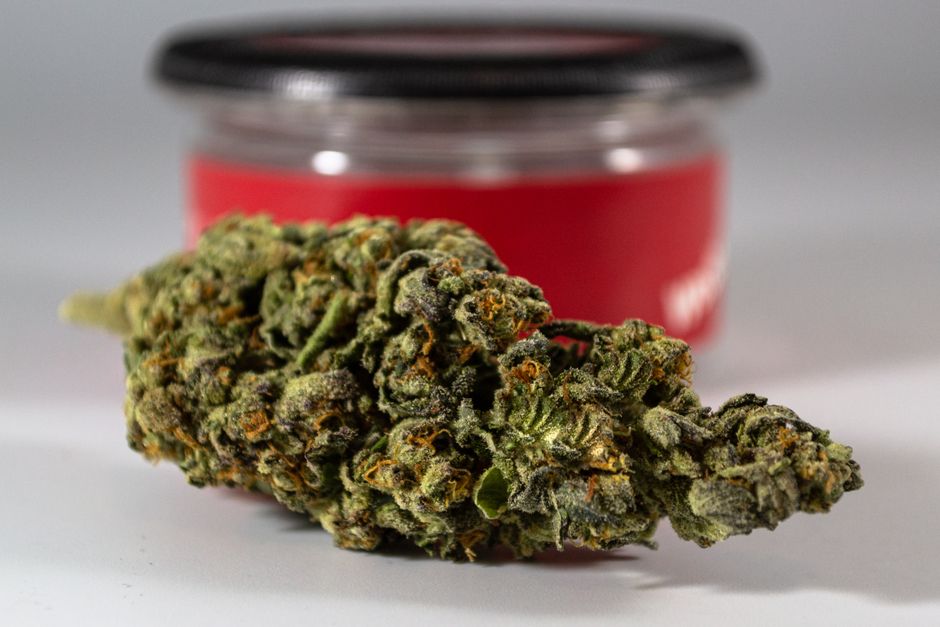
MMTC Florida rules are the reason every dispensary menu in the state feels a little different, right down to strain names, product styles, and those “only here” drops you cannot find anywhere else. If you have ever gone looking for a favorite cultivar from one shop and came up empty at another, you are not doing anything wrong. Florida simply set things up so each operator builds its own menu from the ground up, then sells it through its own stores. Once you know what is happening behind the scenes, it gets easier to shop with confidence instead of guessing.
In Florida, dispensaries are licensed as Medical Marijuana Treatment Centers, or MMTCs. That name is not just paperwork. It describes the job: an MMTC is allowed to cultivate medical cannabis, process it into finished products, and dispense it to qualified patients and caregivers.
So when you walk into a dispensary, you are not just choosing from a retail shelf. You are choosing from that MMTC’s entire in-house program, from genetics to harvest to packaging. Florida’s Office of Medical Marijuana Use lays out those guardrails on the official OMMU rules and regulations for Florida medical cannabis page.
The biggest “aha” moment for most patients is Florida’s vertical integration model. In plain English, it means each MMTC runs the full seed-to-sale path under its own roof. The flower gets grown by that MMTC, the vapes and concentrates get made by that MMTC, and the products are sold only through that MMTC’s dispensaries. There is no legal wholesale shelf where dispensaries can shop for each other’s products.
That is why strain menus can feel like different playlists. If you love a specific in-house cultivar from one operator, you cannot grab it elsewhere because it is not being distributed elsewhere. It stays inside that MMTC’s ecosystem, period.
Once you picture every MMTC as its own kitchen, the menu differences start to make sense. Each team decides what to grow, how much space to dedicate to each cultivar, and which product formats to focus on. Some operators put most of their attention into rotating premium flower. Others lean into convenience formats like vape cartridges, edibles, tinctures, or topicals. Neither approach is automatically better, but the priorities shape what you see in stock and how often it changes.
Even within the same category, two products can feel worlds apart. A “live” concentrate and a distillate vape can have very different character, even if they share a similar name. That is why we always encourage you to look past the headline on the label and into the details that actually describe the batch.
Strain names are helpful, but they are not a universal language. Florida does not require a single statewide naming registry, so each MMTC has room to name products for branding, internal tracking, or because their plant expression is genuinely different. Two grows might start with similar heritage genetics, then diverge based on phenotype selection, cultivation style, harvest timing, and cure.
Here is a common real-world example: you see a familiar strain family name at two dispensaries, assume they will match, and then the aroma and effects are not quite the same. That does not mean either one is “wrong.” It usually means you are looking at two different versions that landed in different places on the cannabinoid and terpene spectrum.
If strain names are the front cover, the batch data is the full story. When you are comparing Florida medical cannabis products across dispensaries, you will get more consistency by shopping the numbers and the profile, not just the name.
Use this practical checklist:
If you want a low-effort way to get repeatable results, start saving lot numbers and matching them to the COA. We break that process down step by step in our blog post on cannabis lot number basics and how to re-find what works.
GrowHealthy is an MMTC, which means we work inside the same Florida framework: we cultivate, process, and dispense our own products. Where you will feel our approach is in what we choose to emphasize. We are flower-first, we are picky about genetics, and we build our lineup around clean, consistent quality with a patient-centric experience.
If you are browsing formats, you can see what is available right now across flower, vapes, concentrates, edibles, and tinctures in our GrowHealthy Shop All medical cannabis menu.
And because real life does not always leave room for a store run, we offer statewide delivery in Florida with clear expectations on our GrowHealthy Florida medical cannabis delivery page.
If you are newer to medical cannabis in Florida, you might be wondering if you have to “pick” one dispensary. You do not. As long as your physician recommendation is active and you have available allotment in the registry, you can shop at different MMTCs based on what fits your needs that week.
If you are still working through the Florida State Issued Medical Card process, this overview of how to get a medical marijuana card in Florida is a helpful place to start for the general steps and typical timelines.
Why does the same strain name feel different at different dispensaries?
Even when the name matches, the genetics may not be identical, and factors like cultivation conditions, harvest timing, curing, and processing can shift the cannabinoid and terpene profile. When possible, compare the COA and the lot details for a clearer picture.
Is there a legal requirement for MMTCs to use standardized strain names?
No. Florida focuses on safety, testing, labeling, and dispensing rules, but it does not require one statewide naming system. That naming freedom is a big part of why menus look so different from place to place.
Can you shop at multiple Florida medical cannabis dispensaries with the same recommendation?
Yes. You can shop at different MMTCs as long as your recommendation is active and you have remaining allotment.
What is the best way to compare Florida medical cannabis products across dispensaries?
Start by matching product type first, like flower vs. vape vs. tincture. Then compare cannabinoid totals, terpene profile, and batch consistency using the COA and lot number. If you keep simple notes, you will get more repeatable results over time.
Who can help you understand products at GrowHealthy?
If you want help reading a COA, picking a format, or deciding between a couple options, reach out through the GrowHealthy contact and customer support page and we will walk it through with you.
MMTC Florida rules make the state’s medical cannabis market a little different than what you see elsewhere. Because each MMTC runs its own seed-to-sale operation, strain names and product lineups naturally vary from dispensary to dispensary. When you shop by COA details, terpene profiles, product format, and lot consistency, the whole experience gets simpler. Whenever you are ready, we are here to help you find something that fits your routine and shop with confidence.

High THC weed can help some patients, but it’s not always best. Learn THC tolerance, high THC cartridges, and safer options.

Cannabis topical basics: THC cream vs CBD topical, how they work, and when patients choose topicals for pain without intoxication.
GrowHealthy patient care policy explained: dispensary rules, Florida patient requirements, IDs, safety standards, and smoother visits.