
Florida MMJ Doctor vs Dispensary: Who Does What?
Florida MMJ doctor vs dispensary explained: who certifies, who dispenses, and which questions to ask in Florida’s MMUR system.
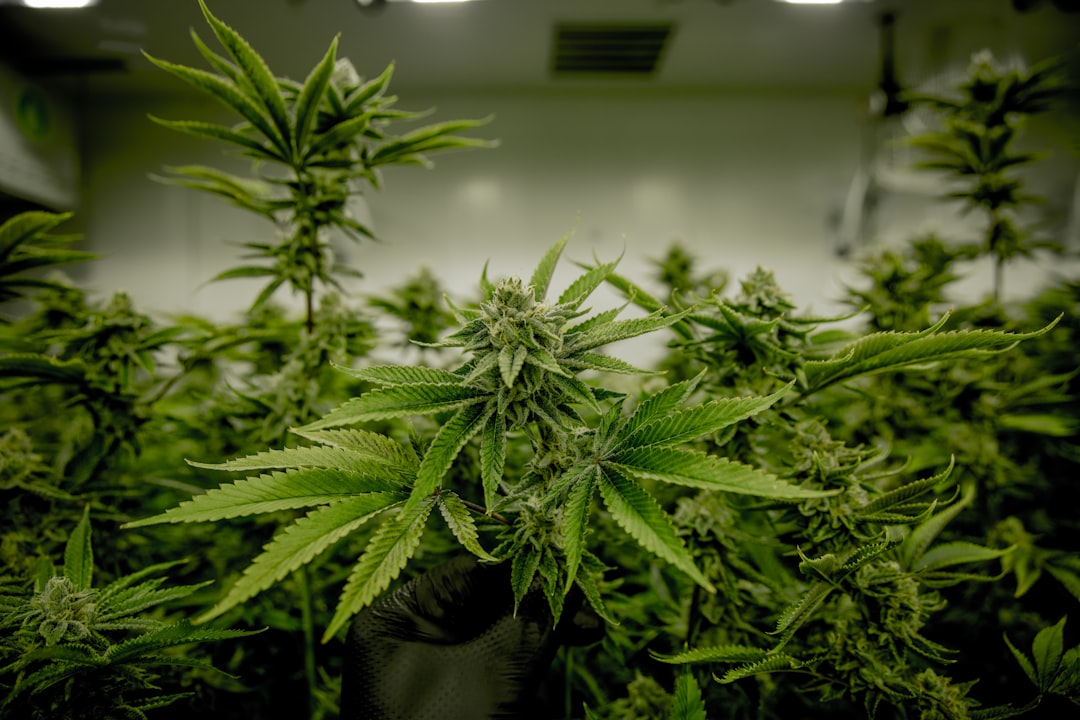
Cannabis lab testing is the quiet step you rarely see, but you benefit from it every time you open a jar, unbox a vape, or portion out an edible. At GrowHealthy, we treat testing like part of the product, not paperwork. You are not picking up a novelty item. You are choosing medical cannabis you may use week after week, so “clean and consistent” matters just as much as potency.
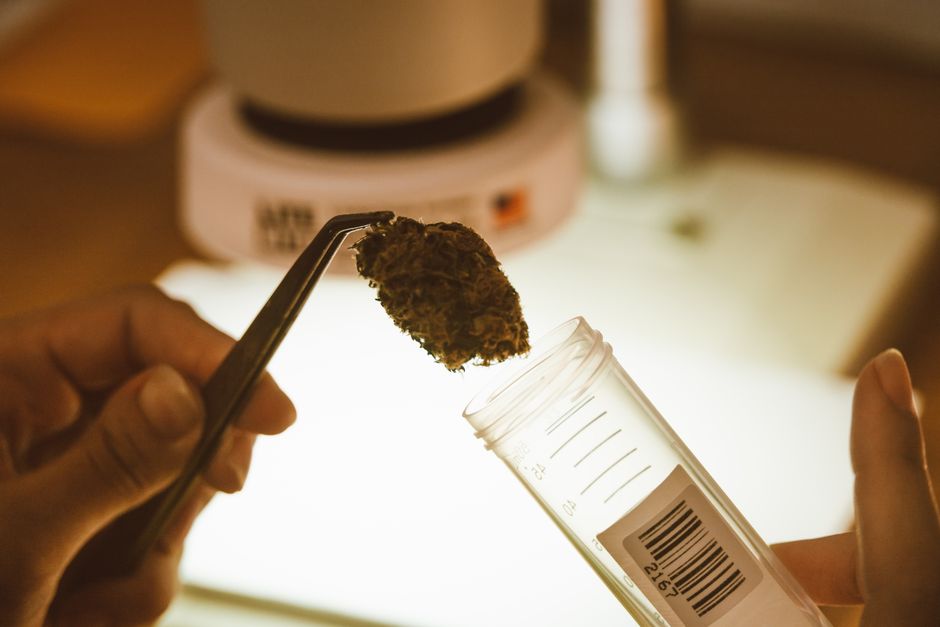
Each batch is reviewed by an independent lab and documented on a COA (Certificate of Analysis). Think of a COA as your batch’s receipt from science: it confirms cannabinoid content, and it also shows whether the product passed the safety screens Florida requires. If you have ever stared at a COA and wondered what you should actually be looking for, this guide walks you through the five contaminant categories labs screen for and why you should care.
Potency gets the spotlight, but safety testing is the seatbelt. A regulated market leans on a handful of big contaminant “buckets” that show up on most COAs: pesticides, heavy metals, microbials, residual solvents, and mycotoxins. This general structure is consistent across many regulated programs, as outlined in the California Department of Cannabis Control’s overview of licensed cannabis testing laboratories.
Why it matters: two batches can look identical on a shelf and still have very different risk profiles depending on how they were grown, handled, stored, or extracted. Lab testing helps catch issues that your eyes, nose, and even your best “this looks fine” instincts will never spot.
Pesticides are a broad group, including insecticides, fungicides, and growth regulators used during cultivation. The real question is not whether something sounds “natural.” It is whether you want traces of it in something you inhale or ingest, sometimes daily.
Pesticide screening is a common safety requirement across regulated cannabis markets. The American Oil Chemists’ Society overview of cannabis testing points to pesticides as one of the key contaminant categories labs routinely evaluate.
Heavy metals testing exists because cannabis can absorb trace metals from its environment. That can come from water, soil inputs, or the broader growing setting. The concern is not just a one-time exposure. Some heavy metals can accumulate over time, which is the opposite of what you want in a long-term wellness routine.
Most programs focus on four: arsenic, cadmium, mercury, and lead. Labs can detect these at extremely low levels, which is the point. You want to know what is there, even when it is tiny.
“Microbials” is the catch-all for bacteria, yeast, and mold that can show up during cultivation, drying and curing, packaging, or storage. Cannabis is a plant product. Plants + moisture + time can sometimes equal unwanted growth, especially if something slips in the handling or storage chain.
Labs commonly screen for specific high-risk pathogens, which can include certain strains of E. coli, Salmonella, and Aspergillus species. This kind of contaminant testing is a core part of product integrity and patient safety, as described in Modern Canna’s explanation of contaminant testing for product integrity.
If you prefer vapes or concentrates, residual solvents are one of the most relevant COA sections to scan. Some extracts are produced with solvents such as butane, propane, ethanol, or hexane to separate cannabinoids and terpenes from plant material. In a well-controlled process, those solvents are purged. Still, labs verify that any remaining trace levels are below the allowable limits.
Mycotoxins are a different issue than “microbials.” They are toxic compounds produced by certain molds and fungi, and they can linger even if visible mold is not present anymore. So yes, a product can look fine and still fail a mycotoxin screen.
The most talked-about mycotoxins in cannabis testing include aflatoxins and Ochratoxin A. They are typically detected using sensitive lab methods and are commonly included in modern cannabis safety panels, as explained in Northeast Laboratories’ overview of cannabis mycotoxin testing.
This is one of those categories where the lab report does the heavy lifting for you. You cannot “eyeball” your way to certainty.
You do not have to decode every number on a COA to use it well. A quick, practical approach is often enough.
When you want to pull the paperwork yourself, use the GrowHealthy COA Test Results page to look up documentation tied to your product. If you are the type who likes to keep track of what worked for you, our blog post Cannabis Lot Number Basics: Re-Find What Works explains how to use lot numbers to stay consistent from one visit to the next.
Every format should meet the same safety expectations, but certain panels matter more depending on how the product is made and how you use it. Use this as a fast COA checklist.
| Contaminant category | Most relevant product types | Why you care |
|---|---|---|
| Pesticides | Flower, vapes, concentrates, edibles | Residues can be inhaled or ingested, and extracts can concentrate them |
| Heavy metals | All formats | Metals can accumulate with chronic exposure |
| Microbials | Flower, pre-rolls, inhalables | Pathogens and mold can be higher risk for sensitive patients |
| Residual solvents | Vapes, concentrates, extracts | Solvent traces can be irritating if present above limits |
| Mycotoxins | Flower, concentrates made from contaminated input material | Toxins can persist even when mold is not visible |
When you shop with GrowHealthy, you are choosing a “measure twice, cut once” approach to medical cannabis. We want you to feel good about what you are using, not just because it smells great or tests strong, but because the batch cleared the safety screens you deserve.
If you want a real person to help you locate a COA or make sense of a result, reach out through the GrowHealthy Contact page and we will walk you through it.
It is third-party testing on a specific batch to confirm quality and safety. Along with potency, it screens for contaminants like pesticides, heavy metals, microbials, residual solvents, and mycotoxins, then reports those results on a COA.
Because residues are not meant to be inhaled or consumed, and many patients use medical cannabis regularly. Screening helps reduce the risk of repeated exposure.
Most programs focus on arsenic, cadmium, mercury, and lead because the plant can absorb them and chronic exposure can be harmful.
Residual solvent testing is most relevant for products made with solvent-based extraction, such as many vapes and concentrates. Flower generally is not processed with those solvents, so this panel is not usually the main focus for flower.
Yes. Mycotoxins can remain after visible mold is gone, which is why mycotoxin screening is its own category on many safety panels.
Use the GrowHealthy COA Test Results page and match the lot information on your product label to the report for the most accurate confirmation.
Cannabis lab testing is not just a label claim. It is the behind-the-scenes system that helps protect you from pesticides, heavy metals, microbials, residual solvents, and mycotoxins. Once you know what to scan for on a COA, you can shop with more confidence and spend less time guessing.
If you want help finding a COA, understanding a pass/fail section, or choosing a format that fits your routine, connect with us through the GrowHealthy Contact page. We are here to keep the process clear, patient-first, and grounded in lab-tested quality.

Florida MMJ doctor vs dispensary explained: who certifies, who dispenses, and which questions to ask in Florida’s MMUR system.

Too high from edibles? Learn calming techniques, what not to do, and a realistic wait-it-out timeline for too much THC.

Microdosing THC uses 1–5 mg low dose THC for subtle relief. Learn who it’s for, microdose edibles tips, and dosing steps.