Inhalation vs Edibles: A Quick Cannabis Decision Tree
Inhalation vs edibles made simple: use this quick decision tree to choose flower, vape, tincture, or edible based on onset, duration, and dosing.
...
Cannabis drug interactions are the kind of thing you do not think about until something feels “off.” If you use THC or CBD and you also take prescriptions, you should not have to guess whether they play nicely together. We want you to feel confident, not cautious in the dark.
At GrowHealthy, you come first. We cultivate and deliver premium, lab-tested medical cannabis across Florida, and we spend just as much energy on education as we do on the plant. Below, you will get a clear, plain-English breakdown of why interactions happen, when the risk is higher, and the exact questions to bring to your next appointment so your doctor or pharmacist can help you build a safer routine.
Your body has a built-in “processing system” for many medications, and a big part of that system lives in your liver. Certain liver enzymes help break down medications so your body can use them and eventually clear them out. Two cannabinoids, THC and CBD, also use some of those same pathways. So if you add cannabis into the mix, it can sometimes change how quickly another medication is processed.
If a medication breaks down slower, its level can rise and side effects can feel stronger. If it breaks down faster, it might not work as well. That is the simple version, and it is the part that makes honesty with your healthcare team so important.
If you like to read the science for yourself, a review in Clinical and Translational Science digs into how THC and CBD are metabolized and why overlap with other medications matters.
Not every person who uses medical cannabis will run into a major interaction. A lot depends on your dose, how often you use it, your age, your liver function, and the medications you take.
The bigger concern is when you take medications that have a tight “sweet spot,” meaning the difference between too little and too much is small. Clinicians often call this a narrow therapeutic index. When that is the case, even modest changes in medication levels can matter.
A 2024 clinical review available through PMC at the National Library of Medicine discusses how cannabis-related interactions may be minor for some people, but potentially more meaningful when certain higher-risk medications are involved.
Examples that often come up in real-life conversations with pharmacists include:
This is not about fear. It is about planning. When your doctor knows what you use and how you use it, they can decide if you need monitoring, a timing adjustment, or a different approach.
People sometimes tell us, “I only use CBD, so I am fine.” Others assume THC is always the bigger problem. In reality, it depends on what you take and how your body handles it.
Here is a helpful way to think about it:
Neither cannabinoid is automatically “safe” or “unsafe.” The goal is to match your products and your prescriptions with the right guidance.
Two people can use the same strain or the same cannabinoid ratio and still have very different experiences because of how they take it.
| Method | What you typically notice | Why it matters for interactions |
|---|---|---|
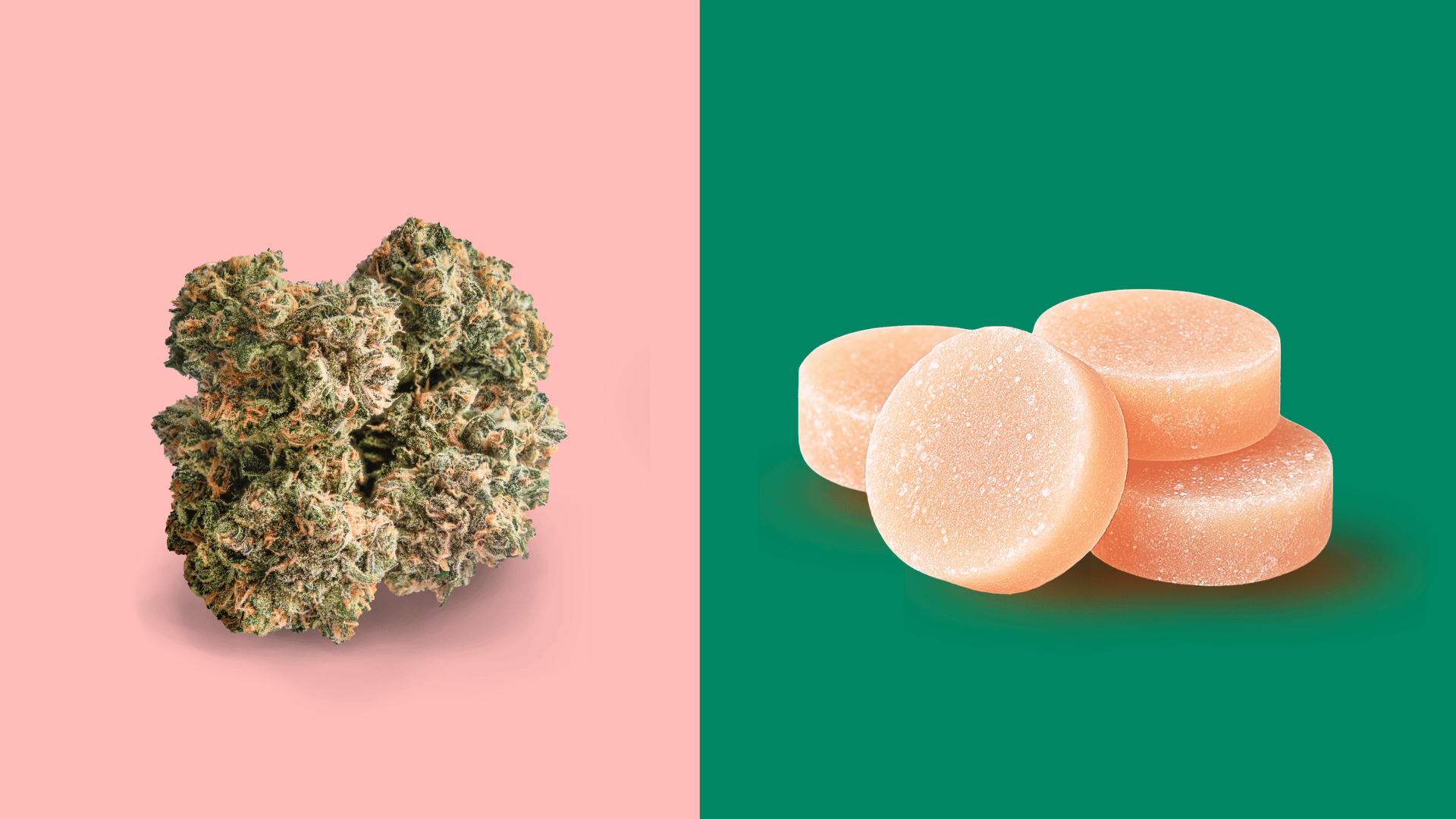
| Inhalation (smoking or vaping) | Faster onset, stronger peak effects | Can increase impairment-related concerns, especially alongside sedating medications |
| Oral (edibles, capsules) | Slower onset, longer duration | More processing through the liver, which can increase metabolism-based interaction potential for some patients |
| Sublingual (tinctures held under the tongue) | Often faster than edibles, more controllable for some people | Still may involve some liver metabolism depending on use and product |
This is why details matter. “I take a gummy at bedtime” is useful information. “I use a vape a few times across the day” is useful information too. If you want a quick refresher on timing across formats, read our guide on cannabis onset by product type.
You do not need a perfect script. You just need to show up with the basics and ask direct questions. Most clinicians appreciate it, because it makes their job easier and your care safer.
A quick tip that helps a lot: keep a short note on your phone with product type, approximate dose, timing, and any side effects. If you can, bring a photo of the label.
“I use cannabis sometimes” can mean ten different things. If you want your doctor or pharmacist to give you guidance that actually fits your life, bring specifics.
On our end, we make it easy to look up what is in your product. You can check batch-specific lab testing through our COA (Certificate of Analysis) test results. That way your clinician is not working off guesses.
If you change your routine and suddenly feel different, that is your cue to slow down and check in. Especially if you started a new prescription, added CBD, increased THC, or switched from inhalation to oral products.
If any of these show up, pause your next change and contact your prescribing clinician or pharmacist. We are always here to talk through product basics and responsible use, but medication decisions belong with a licensed healthcare professional who knows your history.
You do not have to choose between cannabis and being careful. Most patients do best with a steady routine, small adjustments, and good communication.
If you want help building a more predictable routine, our guide to start low, go slow dosing for Florida patients is a solid place to begin.
Can cannabis drug interactions happen even if I only use cannabis occasionally?
Yes. Occasional use can still matter depending on the medication, your sensitivity, and the dose. If your prescription has a narrow therapeutic index, bring it up even if cannabis is not a daily habit.
Are CBD interactions more common than THC interactions?
They can be, particularly with medications that depend heavily on liver enzymes for metabolism. Treat CBD like an active ingredient, not a background wellness add-on.
Do edibles cause more interactions than vaping?
Not always. Oral products are processed more through the liver, so metabolism-based interactions may be more likely for some people. Vaping can raise different concerns, like stronger short-term impairment when combined with sedating medications.
Should I stop medical cannabis before surgery or a procedure?
Do not make that call on your own. Tell your surgical team what you use and when you last used it. They can plan around your procedure and anesthesia safely. For general Florida program guidance, you can also review the state’s information on OMMU rules and regulations.
What if I am new to Florida’s medical cannabis program and still figuring things out?
You are not alone. If you are working on getting registered, this resource on how to get a medical marijuana card in Florida can help you understand the process for a Florida State Issued Medical Card.
Where can I find savings if I am trying to stay consistent with my products?
Consistency helps when you are watching for interactions, and savings make consistency easier. You can see current offers here: GrowHealthy discounts.
Cannabis can be part of your everyday wellness routine, but it should not be the “mystery variable” in your healthcare. When you talk openly about cannabis drug interactions and ask a few smart questions, you give your doctor or pharmacist what they need to help you stay steady, safe, and comfortable.
When you are ready, we are here with premium, lab-tested medical cannabis, clear COAs, and a team that treats you like a person, not a transaction. Browse our selection at GrowHealthy, keep your care team in the loop, and make changes slowly so you can learn what works for you.
Important note: GrowHealthy does not provide medical advice. Always talk with a licensed healthcare professional about your medications, your medical cannabis use, and any potential interactions.