
Blue Dream Strain Guide: Effects, Flavor & Why It Lasts
Blue Dream strain remains a go-to for balanced, uplifting relief. Learn Blue Dream effects, flavor, THC range, and how to shop smarter with COAs in Fl...
Indoor vs outdoor weed is one of the easiest explanations for why two jars with similar THC can still hit your senses differently the moment you crack the seal. Where a plant is grown changes the daily routine it “lives” through, including light, temperature shifts, humidity, and the kind of stress it has to work around. All of that can shape aroma, flavor, bud structure, and how consistent a strain feels from one batch to the next.
If you shop at GrowHealthy and you like knowing why you’re picking something, cultivation style is a useful filter. It’s not the whole story though. Genetics, harvest timing, drying, curing, and storage can make or break quality, no matter where the plant was grown.
When a label says “indoor,” “outdoor,” or “greenhouse,” it’s basically a shortcut for one thing: how much control the grow team has over the plant’s day-to-day environment.
In an indoor vs outdoor weed comparison, you’ll usually notice differences in:
Indoor cultivation is all about repeatability. Because the grow happens in sealed rooms, the team can dial in temperature, humidity, airflow, COA2 levels, and light schedules. When those inputs stay steady, the plant tends to stay steady too, and that’s a big part of why indoor flower is known for consistent structure and a tidy, “finished” look.
Indoor is also expensive to run. Lighting and HVAC don’t take a day off in Florida, and skilled labor adds up. That’s one reason indoor flower often costs more at the shelf, even before you factor in smaller margins for error.
If you want a quick outside perspective on why indoor grows are often treated as a premium category, you can skim the overview from Social Cannabis on indoor vs outdoor cannabis.
Outdoor cultivation leans on natural sunlight and the rhythm of the season. Some patients love that idea because it feels closer to the way the plant evolved to grow. Outdoors, plants also have more space to stretch, and that can support larger yields, which sometimes translates to more accessible pricing.
The flip side is variability. Outdoor plants deal with weather changes, pests, and shifting humidity. That can affect how uniform the buds look and how similar one harvest feels compared to the next.
If you’re the type who likes exploring and you don’t mind that two batches can have slightly different aroma or texture, outdoor can be a fun lane. If you want the closest thing to “same experience every time,” indoor or greenhouse may fit you better.
For another plain-English explanation of what outdoor exposure can change, check out Hashtag Cannabis on indoor vs outdoor differences.
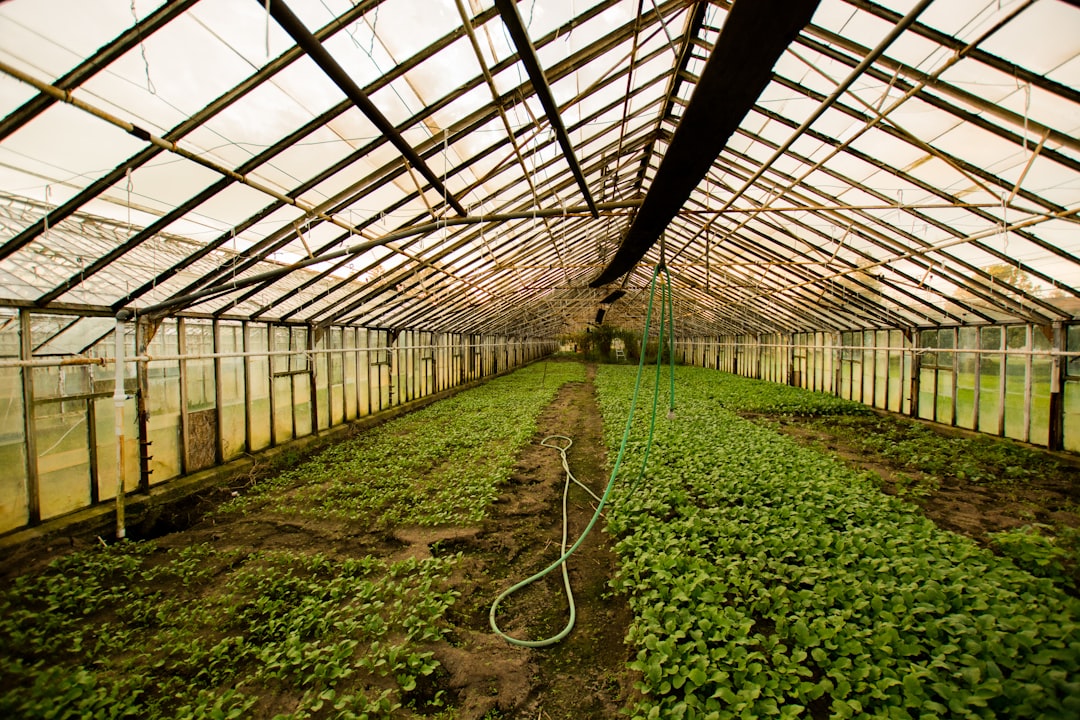
Greenhouse grown cannabis sits between indoor and outdoor. The plant gets sunlight, but the structure adds a layer of protection from harsh weather. Growers can also manage airflow and humidity more deliberately than a fully outdoor setup. Many greenhouse operations use supplemental lighting or light-deprivation techniques to keep flowering cycles more consistent.
From a shopping standpoint, greenhouse flower often lands in a practical sweet spot. You can get strong aroma and solid structure, plus better batch-to-batch reliability than fully outdoor cultivation. Pricing often comes in under indoor too, because operating costs can be lower than running a sealed indoor facility around the clock.
Potency and terpene content get the most attention in any indoor vs outdoor weed conversation, but it helps to keep your expectations realistic. Growing method can influence chemical expression, yet it doesn’t guarantee a specific outcome.
Here’s the simple version:
That’s why two batches of the same strain can test differently even with similar genetics. Harvest timing matters, curing matters, and storage matters. The grow style is a clue, not a verdict.
If you want to compare options without getting stuck on the THC number, take a COA-first approach. We break down why THC alone can be misleading in THC Percentage Meaning: Why Purity Beats Potency.
Let’s be honest, most of the time you’re deciding fast. You see the THC, you look at the buds, you open the container, and you clock the price.
In general (not as a hard rule):
Price differences usually come down to overhead and risk. Indoor cultivation is equipment-heavy and energy-heavy. Outdoor has lower energy costs, but more variables that can hurt a crop. Greenhouse tries to lower risk without taking on the full cost of an indoor buildout.
One more thing that’s easy to overlook: freshness. A well-grown batch can still feel flat if it’s older or stored poorly. When you find something that really works for you, it’s worth noting the batch details so you can track similar results next time.
Instead of ranking cultivation styles like one is “good” and the others are “bad,” start with your actual goal. What do you want your product to do for your routine, your preferences, and your budget?
Want to compare what’s available right now? You can browse current options on the GrowHealthy menu here: Shop GrowHealthy flower.
Growing style helps you set expectations. The COA (Certificate of Analysis) tells you what you’re actually holding in your hand for this batch.
When you’re comparing two products with similar THC, focus on:
At GrowHealthy, you can pull lab documentation anytime through our COA Test Results page.
If you ever want to double-check what Florida requires for testing and compliance, the state’s reference point is the OMMU Rules & Regulations page. OMMU is the Office of Medical Marijuana Use, and it’s the agency tied to the state program and the MMUR, which is Florida’s Medical Marijuana Use Registry.
Is indoor vs outdoor weed really that different?
It can be. Different environments change light exposure, climate stability, and stress levels, and that can show up in bud structure, aroma, and consistency. Genetics, harvest timing, curing, and storage still matter a lot, so don’t treat grow style as the only deciding factor.
Does indoor cannabis always test higher in THC?
No. Indoor grows can make it easier to keep conditions optimized, which may help potency stay consistent. But strong-testing outdoor and greenhouse batches exist too. The COA is your best reality check.
Is greenhouse grown cannabis closer to indoor or outdoor?
Usually a blend. It uses sunlight like outdoor, but the structure and environmental management can make results more consistent, often closer to indoor in reliability.
How do you compare products when THC is similar?
Use the COA to compare terpene profiles, minor cannabinoids, and the safety panels. THC helps with dosing, but it doesn’t fully predict how a product will feel for you.
Can you judge quality by looks alone?
Looks can offer hints, but they don’t tell the whole story. A dense, frosty bud can still be older, poorly stored, or just not match the terpene profile you prefer. Freshness and COA details are more reliable tools.
I’m new to Florida’s program. Where can I learn how the Florida State Issued Medical Card process works?
For a step-by-step overview, you can read this guide on how to get a medical marijuana card in Florida. Timelines vary, but many patients are approved in about 5 to 7 business days.
Knowing the basics of indoor vs outdoor weed helps you shop with fewer surprises. Indoor cultivation often stands out for consistency and a polished look. Outdoor cultivation can offer more variation from harvest to harvest. Greenhouse grown cannabis frequently lands in the middle, balancing sunlight with added protection and control.
When you want to feel confident in your choice, let the COA do the heavy lifting, then match the numbers to your own preferences. If you like staying in the loop with patient-focused education, you can always explore more guides on the GrowHealthy blog.
And if you’re trying to make your budget go further, keep an eye on our rotating deals on Specials, plus ongoing savings programs on Discounts. If delivery is easier for your schedule, you can also review details and minimums on our GrowHealthy delivery page.

Apple fritter strain guide for Florida patients: sweet terpenes, 22–32% THC potency, and apple fritter strain effects plus dosing and FAQ.