

Indoor vs Outdoor Weed: How Growing Impacts Quality
Indoor vs outdoor weed can taste, look, and feel different. Learn how indoor, outdoor, and greenhouse grown cannabis shape potency, terpenes, and pric...

Weed and alcohol get paired together a lot, but the mix can feel very different than either one on its own. If you use medical cannabis to support sleep, ease discomfort, or take the edge off after a long day, that difference matters. What felt like your “usual” amount can suddenly feel like too much, and the shift can happen fast.
This guide is written for you as a GrowHealthy patient. You’ll get a clear explanation of what people mean by crossfading, why the combo can hit harder than expected, and a few practical steps to keep things safer and more predictable.
What is crossfading? It’s the common term for using alcohol and cannabis close enough together that you feel both at the same time. People talk about it casually, but your body is dealing with two substances that can both affect coordination, reaction time, and judgment.
If you’ve ever felt dizzy, nauseated, or unusually “spun up” after combining them, you’re not imagining it. One overview from Renaissance Recovery describes crossfading as a blended intoxication that can bring stronger disorientation, confusion, and sensory changes than you might expect from either substance alone. You can read their explanation here: Crossfading overview by Renaissance Recovery.
For medical cannabis patients, there’s another layer: consistency. When you’re trying to find a repeatable routine, alcohol can throw off your usual timing and how strongly your product feels.
Mixing weed and alcohol is not a simple add-on effect. Alcohol can change how your body absorbs THC, and that can make a familiar product feel surprisingly strong.
Resurgence Behavioral Health discusses research showing that THC blood levels can be higher when cannabis is used after drinking, which helps explain the “this is way more intense than usual” moment some people run into. Their breakdown is here: Research summary on crossfading from Resurgence Behavioral Health.
This tends to be especially noticeable with quicker, higher-THC options, like certain vaporizers or concentrates. If you are trying to stay functional and comfortable, that unpredictability is the main problem.
Yes, the order can matter, and it can catch you off guard.
Warsaw Recovery explains these patterns and why they can be riskier than they seem, especially when you’re relying on how you “usually feel” to decide whether to keep going. Their article is here: Weed and alcohol order effects explained by Warsaw Recovery.
Bottom line: neither sequence is truly “safe.” The bigger takeaway is that your personal limit can sneak up on you because the usual checkpoints feel different.
When alcohol and THC overlap, side effects can pile up. Alcohol can lower inhibitions and affect balance. THC can shift perception, slow reaction time, and for some people, bring on dizziness or anxiety. Put them together and you may have less control than you expected.
If you’re still learning what a “comfortable” amount looks like for you, it helps to get your baseline without extra variables. Our dosing education is a solid place to start: GrowHealthy dosing info.
Plenty of adults will have a low-dose night here and there and feel fine. The concern is when mixing becomes a pattern, especially if it turns into your default way to unwind.
Sandstone Care outlines potential longer-term downsides tied to repeated co-use, including mental health strain, cognitive effects, and a higher chance of developing unhealthy dependence patterns when the substances are routinely paired. Their overview is here: Long-term crossfading concerns from Sandstone Care.
From a patient standpoint, there’s also a day-to-day issue: it gets harder to tell what’s actually helping. If your goal is better sleep, less stress, or more comfortable evenings, adding alcohol can muddy the results and make your routine harder to dial in.
The most reliable way to reduce crossfading risk is not to combine alcohol with medical cannabis. If you still choose to drink while using medical cannabis, harm reduction matters. You’re aiming for fewer surprises, not a stronger experience.
If you want more practical education on side effects, pacing, and what to do when something feels “off,” you can browse our patient resources here: GrowHealthy blog.
If you’re trying to keep your experience steady, choose formats you can measure more easily. Many patients find that clearly portioned products feel more manageable than “eyeballing it,” especially when alcohol is in the picture.
If you want to browse by format, you can start with our Shop All menu and filter from there: Shop all GrowHealthy products. You can also go straight to categories like tinctures or edibles if you prefer a more measured approach.
And if you ever want an extra layer of transparency, look for the product’s COA (Certificate of Analysis) so you can review lab testing details before you buy. If you have questions about finding the right fit, our team can help with general product guidance here: Contact GrowHealthy.
If you’re a Florida patient, remember that responsible use is part of staying protected under the program. If you want the official state reference point, the Office of Medical Marijuana Use keeps the rules and regulations here: OMMU Rules & Regulations.
If you are newer and still figuring out the process around a Florida State Issued Medical Card, this legal overview is a helpful starting point: How to get a medical marijuana card in Florida.
If part of the reason you mix is trying to “stretch” your routine, you might do better by leaning on predictable dosing and patient savings instead.
If delivery helps you stick to your plan, here are the details, including the minimum purchase requirement: GrowHealthy delivery info.
What is crossfading?
Crossfading means you’re feeling the effects of alcohol and cannabis at the same time. Because the effects overlap, the experience can feel more disorienting and less predictable than using either one by itself.
Why does mixing weed and alcohol sometimes feel too intense all at once?
Alcohol can increase THC absorption for some people, so your usual amount of cannabis may feel stronger than you expect, especially if you drink first and use cannabis afterward.
Is it safer to use cannabis first or alcohol first?
Neither is truly safe. Cannabis first can make it harder to notice how intoxicated you’re becoming from alcohol. Alcohol first can amplify how strong cannabis feels once you use it.
What should you do if you feel sick or panicky after combining alcohol and medical cannabis?
Stop using both. Sit down somewhere safe, sip water, and focus on slow breathing. If you’re nauseated, lying on your side can help reduce choking risk if vomiting happens. If there’s repeated vomiting, severe confusion, chest pain, trouble breathing, or you cannot safely wake the person, seek urgent medical help.
Can weed and alcohol interfere with your medical cannabis routine?
Yes. Alcohol can make your response to THC less predictable and may worsen issues like nausea, dizziness, or anxiety for some patients. It can also make it harder to tell which product or dose is actually working for your goals.
Weed and alcohol might be a common social combo, but as a medical cannabis patient, you’re usually looking for consistency, not surprises. If you want your routine to stay predictable, the safest move is to avoid mixing. If you do combine them, keep it low, go slow, eat something, hydrate, and plan your ride before you start.
If you want help building a steadier plan with products you can measure and repeat, explore our education resources on the GrowHealthy blog and bring personal medical questions to your certifying physician.

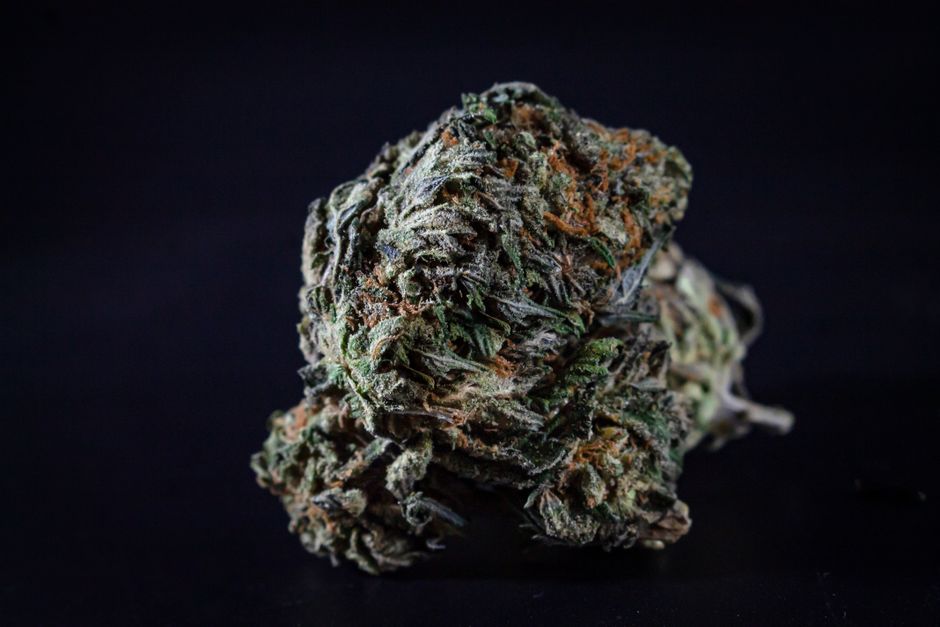
Apple fritter strain guide for Florida patients: sweet terpenes, 22–32% THC potency, and apple fritter strain effects plus dosing and FAQ.