
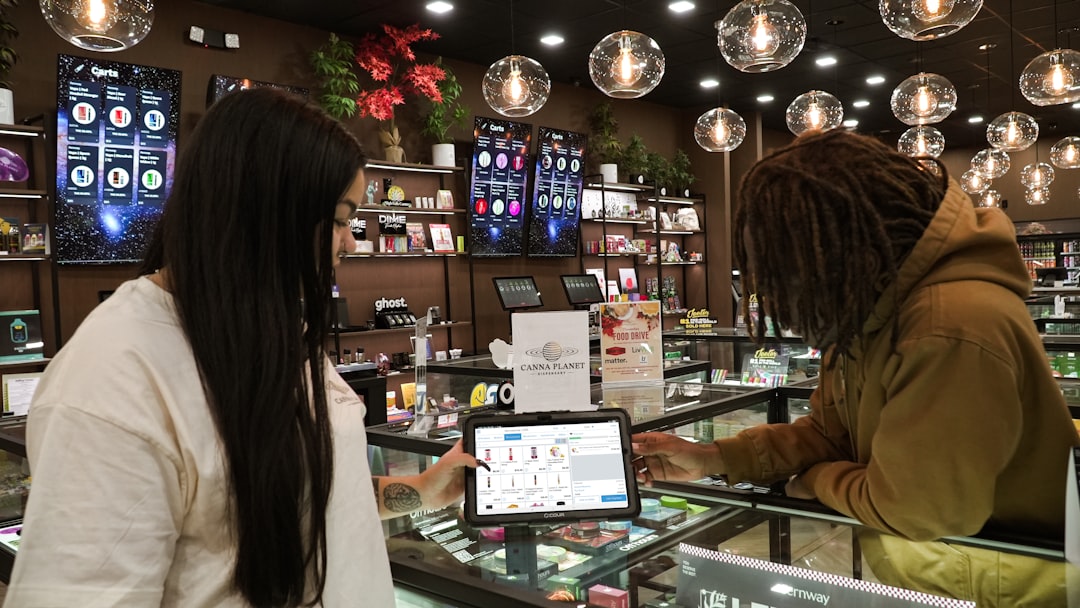
Florida MMJ Allotment Guide: MG Limits & 70‑Day Rules
Learn Florida MMJ allotment rules: mg limits by route, flower caps, and how to check MMUR allotment before you shop.
Gas station THC vs dispensary is a question we hear a lot in Florida, usually from someone who picked up a gummy or vape on a quick stop and then wondered, “Wait, what did I just take?” The short version is simple: convenience-store hemp products and Florida MMTC medical cannabis do not run on the same rulebook, and that difference shows up in testing, labeling, consistency, and peace of mind.
We are not here to shame anyone for choosing what is close by. You just deserve to know what you are buying, especially if you rely on medical cannabis as part of your day-to-day routine. Let’s walk through what people mean by “gas station THC,” where the gray areas live, and how to make safer choices that fit Florida’s medical program.
When someone says “gas station THC,” they are usually talking about hemp-derived cannabinoid products sold at convenience stores, smoke shops, and online. A lot of these products exist because hemp is federally defined by its Delta-9 THC content, not by whether it can feel intoxicating. That’s why you’ll see labels like Delta-8, Delta-10, HHC, THCP, THC-O, or THCA sitting next to energy drinks and candy.
The tricky part is that many of these cannabinoids are made through chemical conversion from hemp-derived CBD, and the finished product can vary from brand to brand and even batch to batch. A physician-led overview on risks tied to Delta-8 and Delta-10 products highlights why inconsistent labeling and limited oversight can matter, especially for people who are sensitive to THC-like effects.
If you’ve ever looked at a package and thought, “This seems legit,” you’re not alone. Retail packaging can look polished. The bigger question is what sits behind that label.
Florida-licensed dispensaries operate as Medical Marijuana Treatment Centers (MMTCs) under the Office of Medical Marijuana Use (OMMU). That means rules around tracking, packaging, and required processes. You can see the framework spelled out on the official Florida OMMU rules and regulations page.
Here’s a grounded way to think about it. This is not about who has the flashiest strain name. It’s about what you can verify, and what you can’t.
| Category | Gas station / smoke shop THC | Licensed Florida MMTC (like GrowHealthy) |
|---|---|---|
| Testing and verification | Sometimes provided, sometimes missing, sometimes hard to match to your exact product | Batch-specific COAs with a regulated system for production and dispensing |
| What’s in the formula | Can include multiple cannabinoids, additives, or byproducts that are not clearly explained | Clear labeling and a testing trail you can check before you buy |
| How it’s made | Often relies on converted cannabinoids from hemp-derived CBD | Cultivation and processing inside Florida’s medical cannabis program |
| Consistency | Effects may swing from “barely anything” to “way too much” across brands or batches | More repeatable product experiences because batches are tracked and tested |
| Who it’s sold to | Age checks and controls vary by seller | Patient verification is required |
Even when a product is not “bad,” unpredictability is still a problem. If you are trying to dial in a dose that lets you function, sleep, or unwind without feeling foggy, you need consistency. That’s where unregulated products can get frustrating fast.
Reporting on the unregulated hemp market has raised concerns about contamination and purity across some categories of products. The investigation Smoke and Mirrors: the risky rise of unregulated hemp THC products describes how certain items in the broader market may not hold up to the same type of safety panels you’d expect in a regulated setting.
On top of that, public health groups have tracked adverse reactions that can show up when ingredients and potency are unclear. The Health Coalition of Mississippi’s overview of gas station THC risks summarizes reported harms like anxiety, paranoia, and other intense responses, especially when someone takes more than they intended or doesn’t know what’s really in the mix.
THCA is the naturally occurring precursor to Delta-9 THC in raw cannabis. When you apply heat, THCA converts into Delta-9 THC. So yes, some products marketed as “THCA flower” can feel closer to dispensary flower than a typical Delta-8 gummy.
But here’s the part that matters for you: the chemistry is only one piece. Quality control is the other. In an MMTC, you can check batch data and know the product moved through a regulated chain. In the broader retail hemp market, THCA flower can range from carefully produced to questionably handled. Some sellers may also alter flower with added isolate, which can lead to uneven potency and a very different experience than what the label suggests.
If you want to see what real transparency looks like, you can browse GrowHealthy’s COA test results and match products to verified lab data before you spend a dollar.
Let’s get practical. A lot of gas station THC products lean into candy flavors and bright branding. Even when that’s “just marketing,” it can be a problem in a shared space, especially if you have kids, roommates, or visitors who might mistake a gummy for a snack.
For you as a patient, dosing clarity is also huge. If a label says “mega strength” but the cannabinoid mix is unclear, it’s easy to overshoot your comfort zone. If you want a straightforward way to think through formats and timing, our blog post Inhalation vs Edibles: A Quick Cannabis Decision Tree breaks it down without burying you in jargon.
If you are comparing gas station THC vs dispensary options, focus on what you can verify, not what the package promises.
If you want help picking a lab-tested product format that fits your needs, reach out through the GrowHealthy Contact page. We’ll help you sort through options in plain language.
No. Even when the effects can feel similar, the oversight, verification, and consistency are not the same as what you get through a licensed Florida MMTC.
There isn’t a reliable, universal way to know. Without consistent, enforceable standards across sellers, potency and purity can be hard to verify from product to product.
THCA can convert into Delta-9 THC when heated, so effects can overlap. The difference is quality control and verification. In a regulated MMTC setting, you can confirm batch testing and traceability in ways you often cannot in the general retail hemp market.
Sometimes it’s higher-than-labeled potency. Sometimes it’s the mix of cannabinoids. Sometimes it’s just inconsistency between batches. When the label and the contents don’t line up perfectly, your experience can swing more than you planned for.
Look for clear dosing information, batch/lot tracking, and a COA you can actually verify. If you are unsure what to pick, ask for guidance so you can compare formats like flower, vapes, concentrates, edibles, and tinctures based on your comfort level.
Gas station THC can be easy to grab, but convenience is not the same thing as confidence. When you shop through a licensed Florida MMTC like GrowHealthy, you get regulated processes, verified testing, and patient-focused support, so you can make decisions with a clearer head and fewer surprises.
If you want help finding a lab-tested option that fits your routine, start with our COA test results and reach out anytime through our contact page.

Learn Florida MMJ allotment rules: mg limits by route, flower caps, and how to check MMUR allotment before you shop.
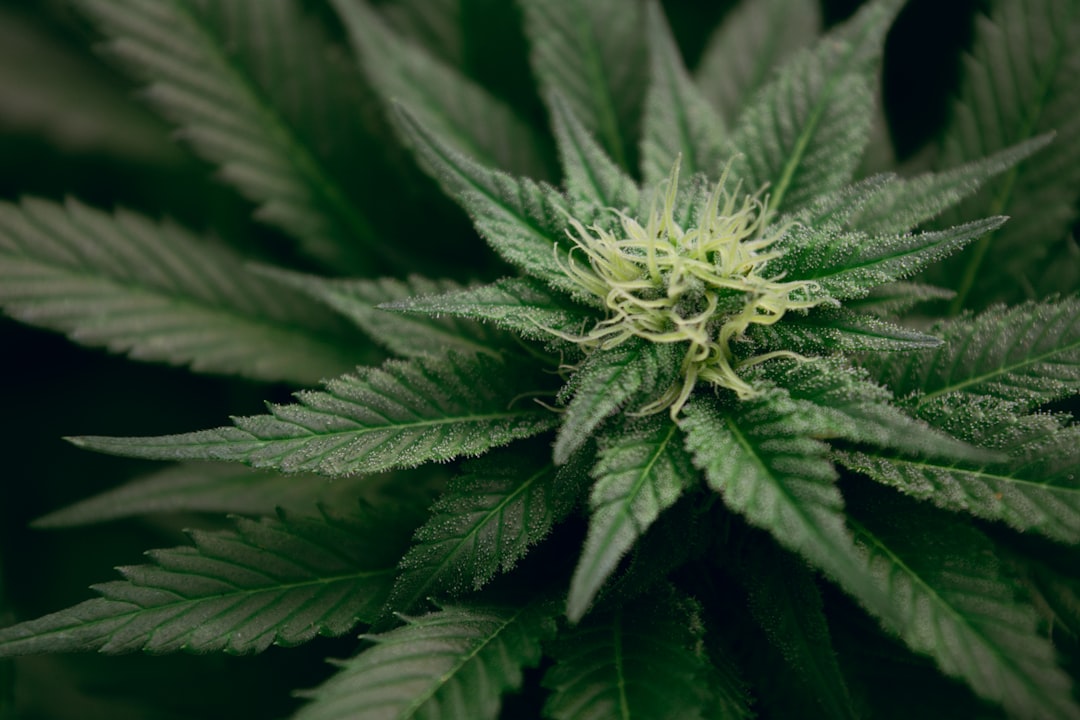
Mind Body Balance cannabis makes shopping easier. Learn sativa indica hybrid effects and how to shop by effect with COAs.
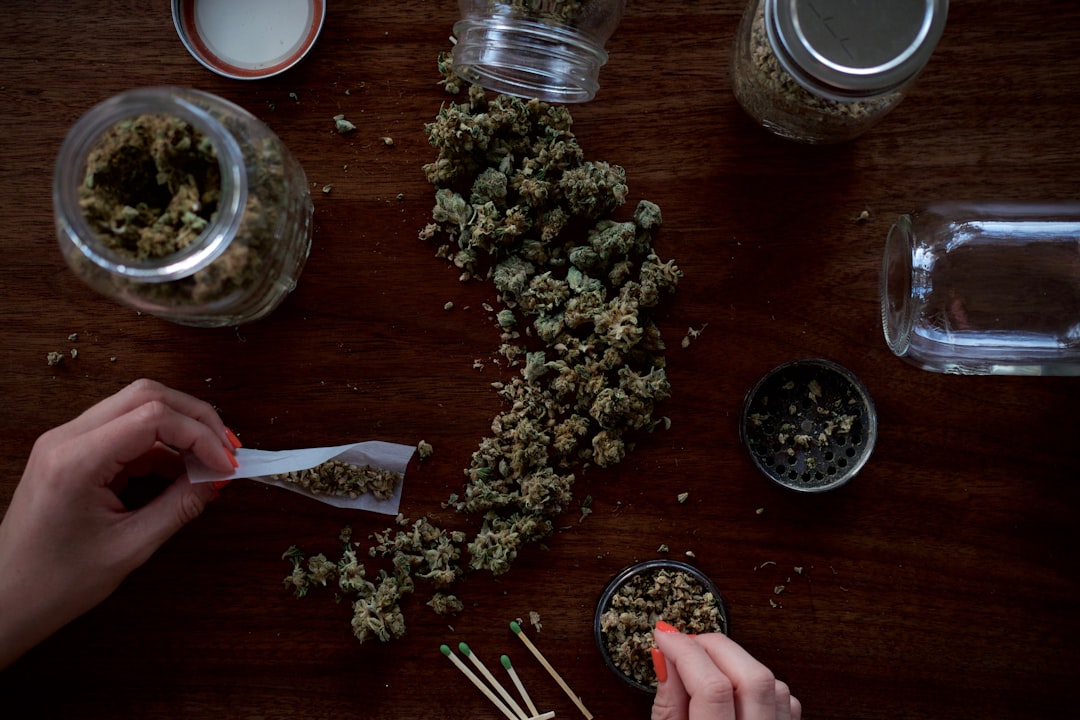
High THC weed can help some patients, but it’s not always best. Learn THC tolerance, high THC cartridges, and safer options.