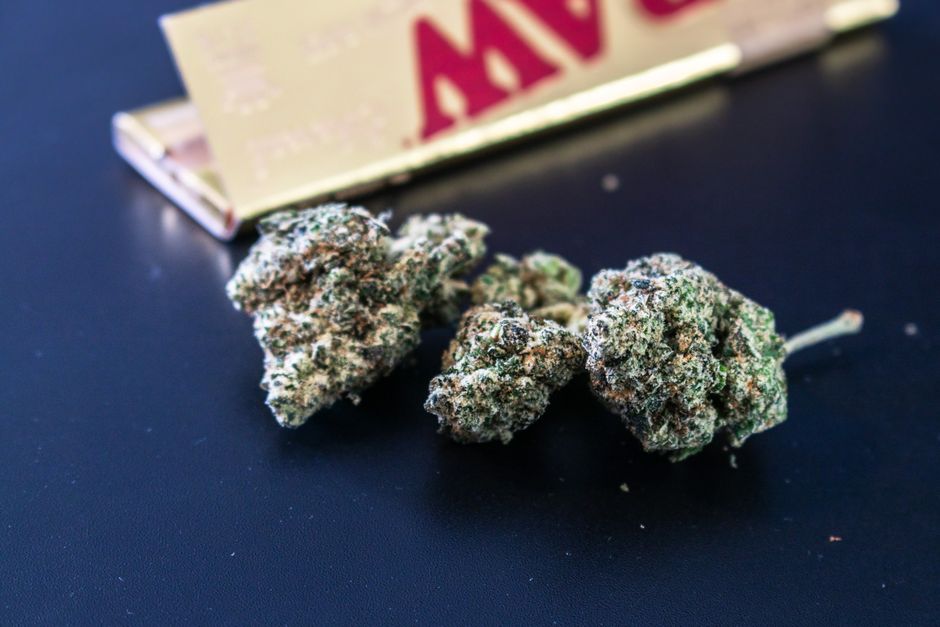

Compare cannabis products with similar THC and you will notice it pretty fast: the number on the jar is only a small piece of the story. You can pick two flower batches that look nearly identical on THC, then one feels clear and steady while the other feels heavier or more distracting. When that happens, the most helpful “translator” is the COA (Certificate of Analysis), the lab report that shows what is actually in that batch.
At GrowHealthy, we’re big on keeping this practical. You do not need a chemistry background to read a COA. You just need a quick way to compare a couple products side by side, especially when you are shopping online or making a call at the counter. Here’s the COA-first framework our patients use to make more consistent choices.
Compare cannabis products by confirming you are looking at Total THC
Before you get into terpenes or minor cannabinoids, make sure you are comparing the same THC measurement. Flower and pre-roll labels often list a lot of THCA (the acidic form) and a smaller amount of delta-9 THC. Once heat is applied, THCA converts into active THC, which is why two “similar” THC products can look different depending on how the numbers are displayed.
On a COA, look for Total THC. If one batch shows Total THC and the other only shows THC or THCA, you are not comparing apples to apples. This one step helps you avoid choosing a product just because the label was formatted differently.
Want to check a batch before you buy? Use GrowHealthy’s COA Test Results page to pull the lab report and confirm you are lining up the right numbers.
Compare cannabis products with a COA terpene profile (your best tie-breaker)
If Total THC is close, the COA terpene profile is usually where the real differences show up. Terpenes are the aromatic compounds that drive smell and flavor, and many patients also use them as a simple way to anticipate the “shape” of a product’s effects. THC matters, but it is not the whole experience. That bigger-picture view is explained clearly in this breakdown of terpenes and why they matter.
Start with one easy metric: total terpene percentage. In everyday shopping terms, higher terpene totals often signal a louder aroma and a more character-filled experience. Many terpene-forward batches land around the 2 to 4 percent range, but it varies by genetics and how the flower was handled.
- Check total terpenes: you want a COA that shows a real terpene panel, not a blank space.
- Note the top 2 to 4 terpenes: write them down or screenshot them so you can compare quickly.
- Pick based on your goal: think “daytime focus,” “evening unwind,” or “balanced,” then choose the profile that matches your routine.
If you like a quick mental shortcut, here are a few common patterns patients mention:
- Limonene often shows up in brighter, more upbeat profiles.
- Myrcene commonly appears in more relaxing, body-leaning profiles.
- Caryophyllene is frequently described as grounding and peppery.
- Linalool is often associated with softer, floral, wind-down vibes.
You do not have to memorize terpene “meanings.” Just get used to noticing what you personally like. Over time, you’ll start recognizing your own pattern, like “When limonene and caryophyllene lead, that tends to work better for my afternoons.”
Compare cannabis products using the full cannabinoid profile (the quiet details)
Once you’ve matched Total THC and you’ve looked at the terpene panel, scan the rest of the cannabinoid profile. This is where you’ll see cannabinoids like CBD, CBG, CBC, and CBN. Sometimes they are present in tiny amounts, but they can still help explain why two similar-THC options feel different in real life.
There’s also a transparency angle here. A COA that shows a fuller panel gives you a more complete picture of what you are using. Still, it’s smart to keep expectations realistic. Cannabis testing is useful, but it’s not flawless, and results can vary by lab methods and what’s included in the testing panel.
Compare cannabis products by format and processing, not just lab numbers
Here’s the part people forget: two products can have similar lab reports and still feel different because the format changes how cannabinoids and terpenes are delivered. Flower, vapes, concentrates, edibles, tinctures, topicals, and RSO each have their own timing, intensity, and learning curve.
When you’re browsing GrowHealthy, it can help to compare within the same category first:
- If you prefer classic whole-bud shopping, start with GrowHealthy flower and compare COAs by batch.
- If you’re looking for a more concentrated option, browse GrowHealthy concentrates and pay extra attention to terpene totals and dominant terpenes.
Also keep freshness in mind. Terpenes can fade with time and poor storage. A great COA from months ago does not help much if the product has been sitting around in less-than-ideal conditions.
Compare cannabis products in 60 seconds: a COA-first checklist
If you’re standing there deciding between two similar-THC options, use this quick checklist. It keeps you out of the weeds and focused on what tends to change the experience.
- Total THC: confirm you are looking at Total THC so the comparison is fair.
- Total terpenes: look for a terpene panel and a meaningful total percentage.
- Top terpenes: compare the top 2 to 4 terpenes side by side.
- Minor cannabinoids: scan for CBD, CBG, CBC, and CBN for extra context.
- Freshness and storage cues: newer batches and good packaging usually protect aroma better.
Getting support matters: use your patient resources
You never have to guess alone. If you tell our team what you are trying to avoid and what you want more of, we can help you narrow down products based on COAs and your comfort level with each format. And if you are new to medical cannabis or you are changing product types, it helps to review basic serving guidance first. You can start with GrowHealthy’s dosing information and then check in with a licensed medical professional for advice specific to you.
FAQ: Compare cannabis products, THC, terpenes, and COAs
Is higher THC always better for medical cannabis?
No. Higher THC is not automatically a better fit. When THC is already in a similar range, the terpene profile, minor cannabinoids, your dose, and your chosen format often do more to explain why one product feels smoother or more workable for you.
What if a COA does not include a terpene panel?
You lose one of the most useful comparison tools. When you can, choose products with a clear terpene panel so you can compare batches with more confidence.
How many terpenes should you pay attention to?
Start with total terpenes and the top 2 to 4 dominant terpenes. That’s usually enough to make a solid decision without overthinking the report.
Can two batches of the same product feel different?
Yes. COAs are batch-specific. Small shifts in terpene ratios and minor cannabinoids can change how a product feels, even when THC looks similar. Checking the current batch COA helps you stay more consistent.
If you’re still figuring out Florida’s medical program, where should you look?
For official rules, you can reference the state’s OMMU Rules & Regulations. If you are researching the steps to apply for a Florida State Issued Medical Card, this guide on how to get a medical marijuana card in Florida is a helpful starting point.
Conclusion: the best “similar THC” pick is usually the best COA match
When you compare cannabis products with similar THC, let the COA lead. Confirm Total THC, use the COA terpene profile as your tie-breaker, then check minor cannabinoids and think about the format you actually use day to day. It’s a simple habit, but it can make your shopping feel a lot more predictable over time.
If you want a second set of eyes on a lab report or you’re trying to find a terpene profile that fits your schedule, talk with the GrowHealthy team. You can also browse online and compare batch details at your own pace through the COA Test Results page.
Educational content only. GrowHealthy does not provide medical advice, does not diagnose or treat medical conditions, and cannot guarantee individual results. Please consult a licensed medical professional for personalized guidance.