
Is Weed Legal in Florida? 2026 Ballot Outcome
Is weed legal in Florida in 2026? Learn the ballot outcome, what changed since 2024, and what it means for patients.
What is medical marijuana in Florida? It is cannabis used as medicine within a state-regulated program, with a qualified physician guiding your use and licensed Medical Marijuana Treatment Centers (MMTCs) handling the products, testing, and tracking. If you are brand new, take a breath. Once you see the steps laid out, the whole process feels a lot more manageable.
Think of medical cannabis as a tool that belongs in a healthcare routine, not a guessing game. In simple terms, medical marijuana is cannabis used for a medical purpose, chosen intentionally and used responsibly.
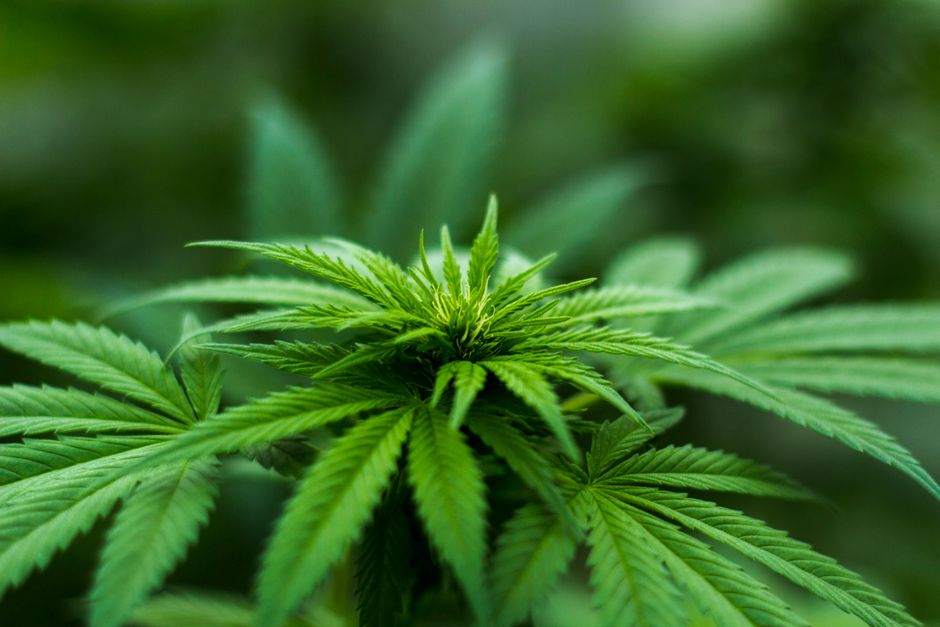
The cannabis plant contains cannabinoids and terpenes. Cannabinoids like THC and CBD get the most attention. THC is the compound that can feel intoxicating, while CBD is often used for support with little to no intoxication. Terpenes are the aromatic compounds that give cultivars their scent and can shape how a product feels for you.
In Florida, you do not self-prescribe. Your physician evaluates you, documents your certification, and your purchases are tied to the state system. That structure is the big reason medical cannabis in Florida feels different from shopping in an adult-use state.
Florida is a medical-only state. That means legal access runs through the Florida Department of Health’s Office of Medical Marijuana Use (OMMU) and the Medical Marijuana Use Registry (MMUR). If you like to double-check things straight from the source, the Florida Office of Medical Marijuana Use program overview is a helpful place to start.
Most patients move through the same basic path:
We also keep the steps simple on our side. Our Become a Patient guide for Florida medical cannabis walks you through what to expect when you are getting started with GrowHealthy. Processing times vary, but many patients see approval in about 5 to 7 business days. On rare occasions, it can take 2 to 3 weeks.
The phrase “doctor oversight” can sound formal, but in real life it is practical. Your physician is the person who helps decide whether medical cannabis makes sense for you, then sets expectations around route, dose, and safety. Florida’s program is tied to qualifying medical conditions such as cancer, epilepsy, glaucoma, HIV/AIDS, PTSD, ALS, Crohn’s disease, Parkinson’s disease, multiple sclerosis, and chronic nonmalignant pain, among others.
Rules can change, and the safest move is to keep your information current. When you want the official, patient-facing details, lean on the OMMU Rules and Regulations page so you understand what is required and what is not.
If you are still figuring out the card process itself, this step-by-step explainer on how to get a medical marijuana card in Florida can help you visualize the timeline and paperwork from a practical angle.
The plant is the same. The experience is not. The difference between medical and recreational marijuana comes down to intention, oversight, and the rules around access.
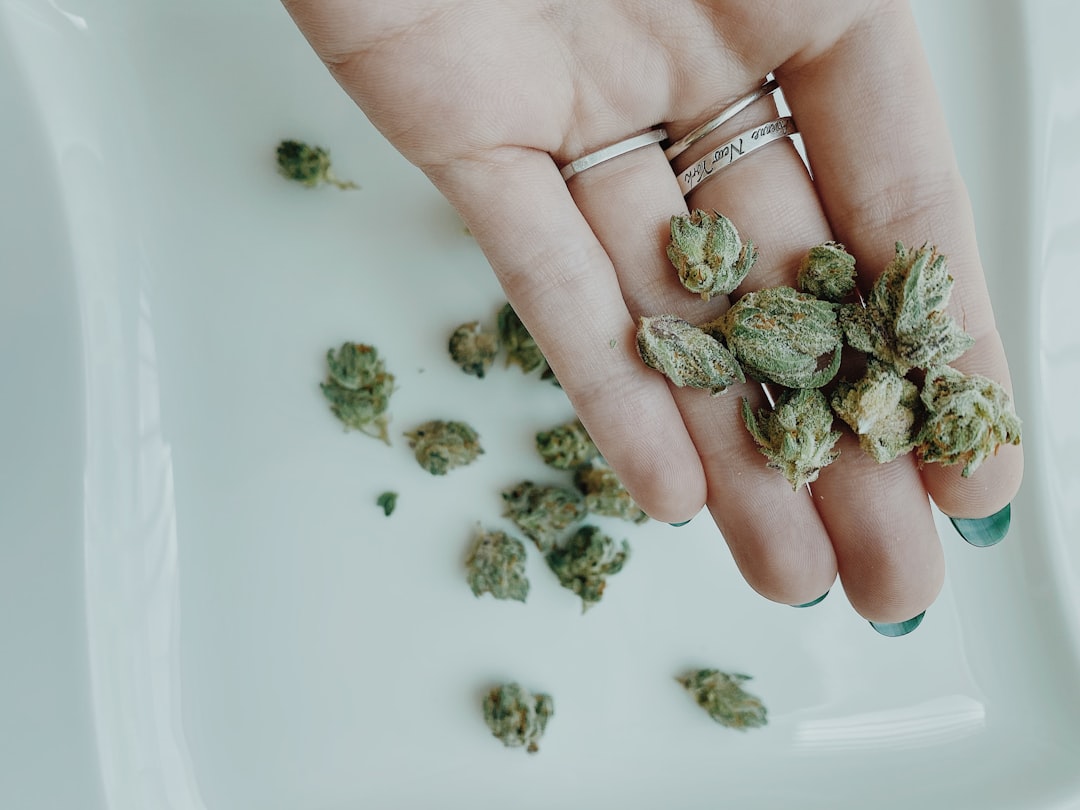
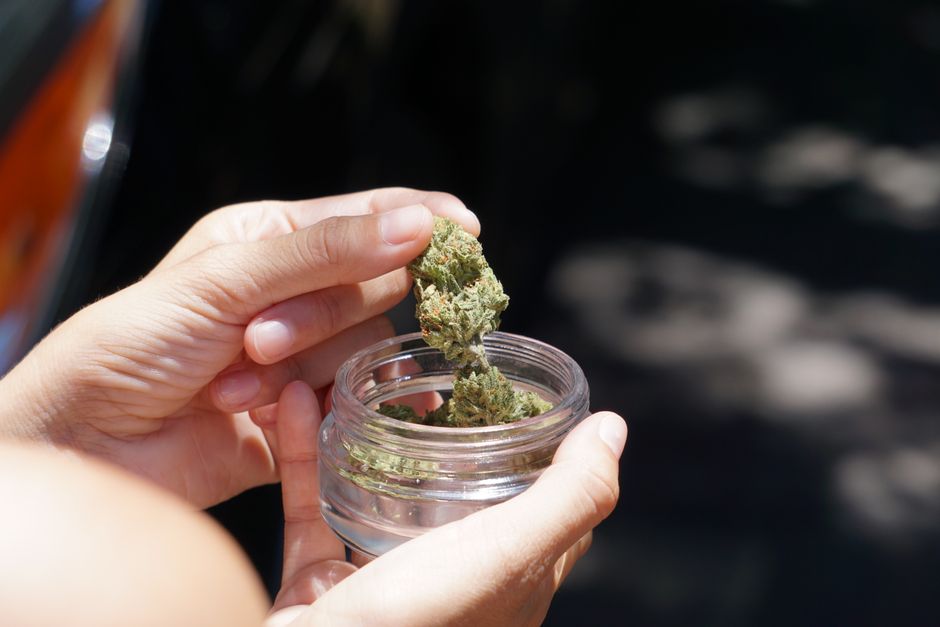
One of the best parts of Florida’s medical framework is that you can choose from multiple formats, depending on what your routine looks like and how comfortable you are. At GrowHealthy, you will see patient staples like flower, vapes, concentrates, edibles, tinctures, topicals, and RSO.
If you are trying to decide between faster-onset inhalation and longer-lasting oral options, our blog post Inhalation vs edibles: a quick cannabis decision tree is a straightforward way to talk it through without overcomplicating it.
A simple way to narrow your choice:
Whatever you choose, keep your physician in the loop and start with conservative dosing. Consistency beats intensity almost every time.
When you use cannabis as medicine, you want to know what you are taking. Florida’s regulated market is built around batch testing and traceability, which is where the COA comes in. A COA (Certificate of Analysis) is the lab report for a specific batch, showing cannabinoid potency and screening results for required safety checks.
We make it easy to do your own verification. Use our COA test results lookup tool to match your product to its lab results. It is one of the best habits you can build as a patient, especially once you start noticing which cannabinoid and terpene profiles fit you best.
If you are standing in front of a menu thinking, “I guess I should pick the highest THC,” you are not alone. Still, that number is only one part of the picture. Your experience depends on dose, format, your tolerance, and the overall profile of the product.
Here are a few down-to-earth tips we share with new patients all the time:
And yes, you can save money while you learn. We separate GrowHealthy Specials from GrowHealthy Discounts so you can quickly see what is a limited-time deal and what is an ongoing program like first-time patient, veteran, senior, and loyalty savings.
Yes. In Florida, you must be registered in the MMUR and have your Florida State Issued Medical Card, or be otherwise authorized through the program, to purchase from a licensed MMTC.
The difference is the system around the plant: physician oversight, qualifying conditions, MMUR tracking, and regulated access through licensed providers. Florida is medical-only, so legal purchasing happens through that medical framework. For more details, review what distinguishes medical and recreational marijuana.
Check the batch-specific COA (Certificate of Analysis). At GrowHealthy, you can use our COA lookup tool to verify potency and confirm the product passed required safety testing.
Many patients see approval in about 5 to 7 business days. On rare occasions, it can take 2 to 3 weeks. Your physician’s office and the state’s processing timeline both play a role.
Start with your physician for medical guidance, then lean on us for product education, label reading, and logistics like pickup or delivery. If you want help with ordering or delivery questions, reach out through the GrowHealthy contact page for patient support.
What is medical marijuana in Florida comes down to a simple, patient-first idea: cannabis used as medicine inside a regulated system built around physician oversight, MMUR access, and lab-tested products. When you are ready, we will help you make sense of your options, check your COAs, and choose a routine that fits your real life, not someone else’s.

Is weed legal in Florida in 2026? Learn the ballot outcome, what changed since 2024, and what it means for patients.
Medical marijuana card Florida cost explained: state fee, doctor visit, 210-day recertifications, renewals, and savings tips.