
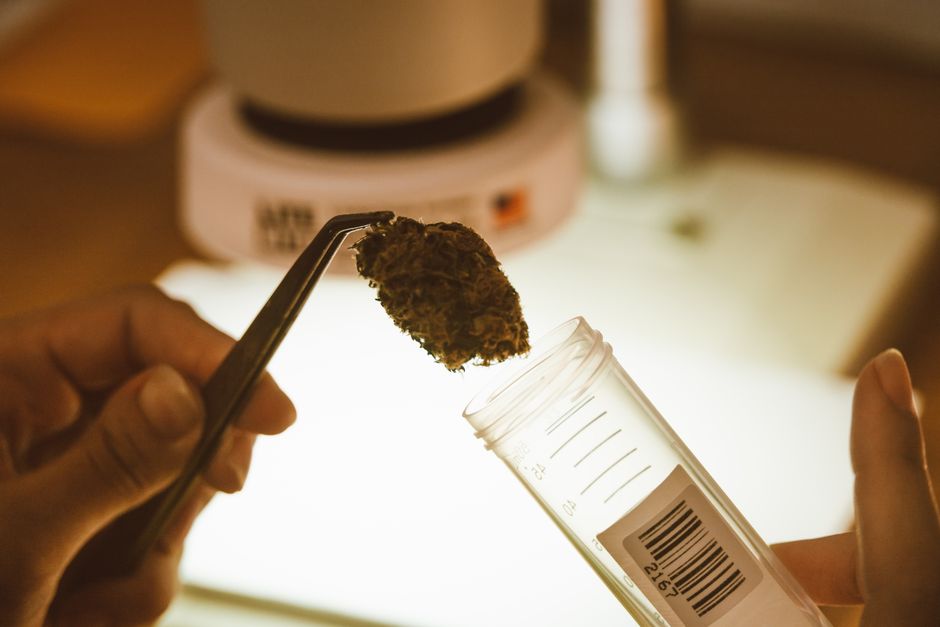
Cannabis Lab Testing: 5 Contaminants Labs Screen For
Cannabis lab testing checks pesticides, heavy metals, microbials, residual solvents, and mycotoxins to keep patients safe.

Too high from edibles is a common curveball, especially when you try a new gummy, chocolate, or tincture dose and it shows up later and louder than you expected. If you are in that moment right now, pause and take a slow breath. You are not “stuck” like this. You are simply in the middle of a longer-onset, longer-lasting experience, and your body will taper it down with time.
Edibles play by different rules than inhaled flower or vapes. When you inhale, you tend to feel effects quickly and you can stop early. With edibles, you swallow your dose, digestion gets involved, and your liver converts THC into 11-hydroxy-THC, which can feel stronger and hang around longer for some people.
The most common setup is simple: you take an edible, you wait… nothing happens… so you take more. Then both doses arrive around the same time and it feels like the volume got turned way up. If you want a plain-English overview of what tends to help and why time matters, GoodRx guidance on how long cannabis effects can last lines up with what patients report every day.
When an edible lands too strong, the discomfort can feel personal and urgent, but it is usually temporary and self-limited. A lot of people describe the same handful of sensations: a racing heart, thoughts that loop, worries that feel louder than normal, or feeling extra sensitive to noise and light.
Common signs an edible dose is more than you wanted include:
If you have chest pain, fainting, severe confusion, or vomiting that will not stop, get urgent medical help right away. Otherwise, treat this like an intense but temporary wave. Your job is to make the wave smaller, not to fight the ocean.
If you are searching for how to sober up from weed, the most honest answer is that there is no instant reset button. Metabolism is the only real clock. What you can do is lower stimulation, take care of your body, and make the next few hours feel less sharp.
Use this as a practical reference point:
| Product type | Typical onset | Typical peak | Typical duration |
|---|---|---|---|
| Inhaled (flower, vape) | 5 to 15 minutes | 15 to 30 minutes | 2 to 3 hours (some lingering drowsiness possible) |
| Edibles | 45 to 90 minutes (sometimes up to 2 hours) | 1 to 2+ hours | 6 to 12 hours (residual effects can last up to 24 hours at higher doses) |
Those ranges are wide on purpose. Your dose, tolerance, metabolism, and whether you ate a full meal all change the timing. A helpful reality check is Medical News Today’s overview of what to expect when trying to “get unhigh”, which echoes the same theme: edibles last longer, and time is the one guaranteed endpoint.
Think of this as basic first aid for your nervous system. You are not trying to “win” against THC. You are trying to get comfortable enough to let the clock do its thing.
If you want another patient-friendly list of ways to reduce an overwhelming THC experience, Nurse Wellness tips for managing too much THC supports the same practical approach: calm the body, avoid stimulants, and let time do the heavy lifting.
When you feel uncomfortable, your brain goes looking for a shortcut. A few “fixes” are popular, but they tend to backfire. Keep it simple and protect future-you.
If you have ever had an edible feel stronger than planned, you already know the lesson. It is not about willpower. It is about timing, portion size, and patience.
As a general starting point for many patients, 2.5 to 5 mg THC is a cautious beginner range, especially if you are sensitive, older, or returning after a long break. When you try a new edible, treat it like a new product entirely, even if you have used edibles before.
If you want help choosing between faster-onset options and longer-lasting ones, our blog post Inhalation vs Edibles: A Quick Cannabis Decision Tree lays out an easy path without overcomplicating it.
At GrowHealthy, we care a lot about predictable experiences, especially for newer patients. If you have had a rough run with edibles, you might do better with formats that are easier to dial in, or with products that make portioning simple and repeatable.
We also encourage you to check batch-specific lab results before trying something new. You can always review potency and quality details through our COA (Certificate of Analysis) test results hub.
If you want to talk through timing, dosing, or what to keep on hand for a calmer routine, reach out through the GrowHealthy contact page and we will help you think through options that fit your comfort level within Florida’s medical program.
Many patients feel the strongest effects for about 6 to 12 hours. If the dose was high, you may feel residual grogginess into the next day. Your timeline depends on dose, metabolism, and whether you took it on a full stomach.
It is usually not dangerous, but it can feel intense. If you experience chest pain, fainting, severe confusion, or uncontrolled vomiting, get urgent medical help right away.
Time is the only reliable factor. The fastest way to feel steadier is to reduce stimulation, hydrate, use slow breathing, and ground your senses.
A small, simple snack can help you feel more grounded, especially if nausea is part of the experience, but it will not instantly stop THC effects. Keep it light and skip alcohol.
CBD may help take the edge off for some patients, particularly with anxiety or restlessness. It does not work for everyone, and it is not an instant reset, but it can be worth trying if you already have a CBD product available.
If you are repeatedly uncomfortable with edibles, it is worth adjusting your dosing plan and discussing options with a qualified medical professional. You can also talk with our team about formats and labeling that make dosing easier, and we can help you build a more predictable routine.
If you are too high from edibles right now, keep it basic: get comfortable, sip water, breathe slowly, and give yourself permission to wait it out. Next time, start smaller, wait longer before redosing, and stick with lab-tested products you can portion confidently. If you want personalized guidance, contact GrowHealthy and we will help you find a calmer, more consistent approach.

Cannabis lab testing checks pesticides, heavy metals, microbials, residual solvents, and mycotoxins to keep patients safe.
Florida MMJ doctor vs dispensary explained: who certifies, who dispenses, and which questions to ask in Florida’s MMUR system.
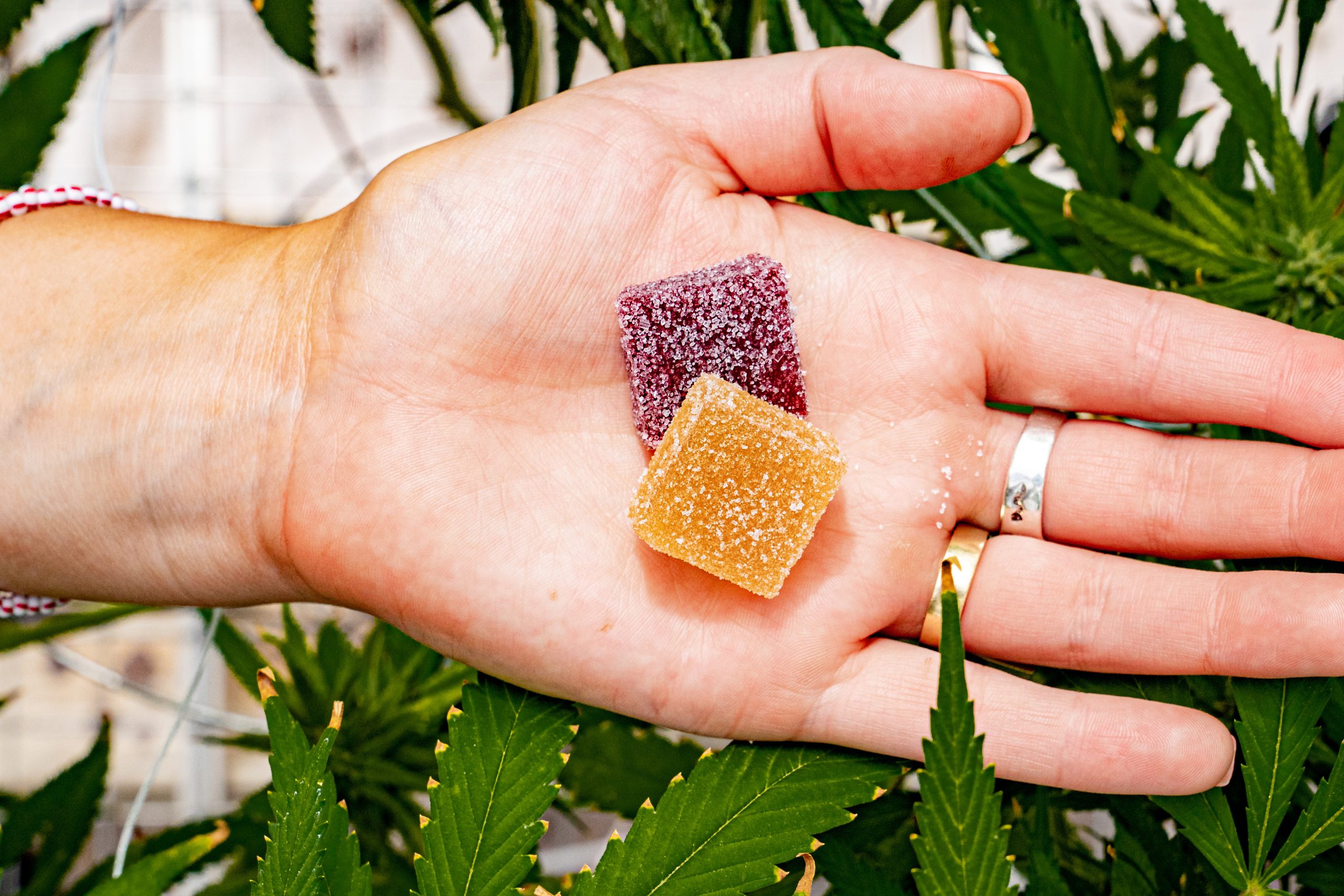
Microdosing THC uses 1–5 mg low dose THC for subtle relief. Learn who it’s for, microdose edibles tips, and dosing steps.