
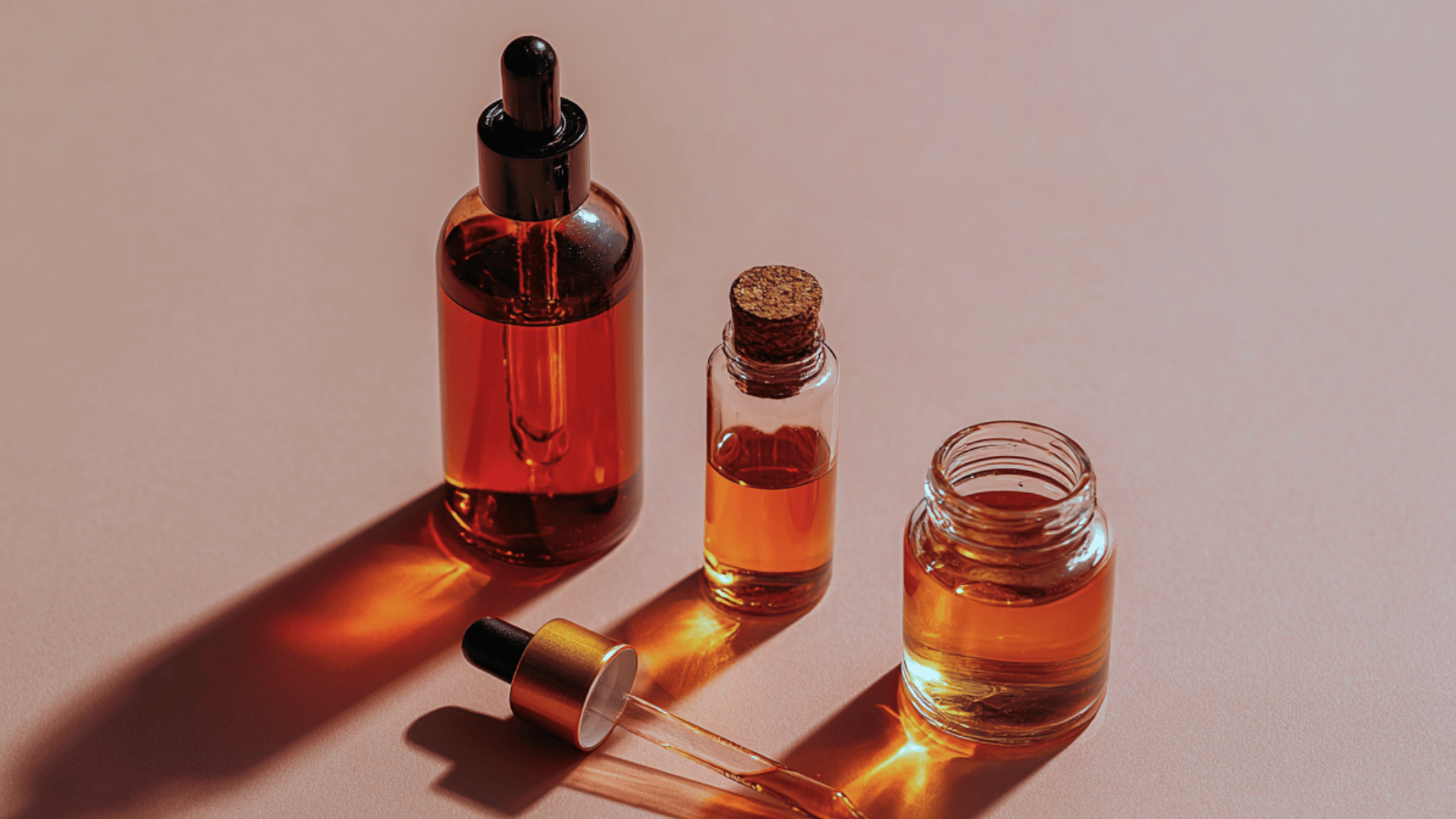
Tincture dosing is one of those things that sounds easy right up until you’re standing at the counter thinking, “Okay… how much is three drops, really?” If you want a dose you can repeat with confidence tomorrow and next week, you’ll get much better results by translating drops into milligrams (mg) and milliliters (mL).
You’re not chasing “more.” You’re building a routine that feels steady and predictable. Below, you’ll learn how to convert drops to milligrams, pick a sensible THC tincture starting point, and track what happens so you can land on your personal minimum effective dose.
Tincture dosing basics: why “drops” can get messy
Drops are convenient, but they are not a true unit of measurement. A drop can change based on the dropper tip, how thick the oil is, the temperature in your kitchen, and even the angle of your wrist. That’s why your best friend for cannabis oil dosing is mg, not “a few drops.”
Once you know the strength of your tincture in mg per mL, you can:
- Repeat the same dose more reliably
- Compare tinctures with different bottle sizes
- Make small, careful adjustments without guessing
Tincture dosing math that actually feels doable: find mg per mL
Start with what’s on your label: the total mg of THC (and/or CBD) in the bottle and the bottle size in mL. If you like seeing a few extra examples of how people do this in real life, Leafwell lays out label-reading and dose math in a clear way in their guide to dosing cannabis tinctures.
Use this formula:
- mg per mL = (Total mg of THC or CBD in the bottle) ÷ (Total mL in the bottle)
Example: You have a 30 mL bottle that contains 900 mg THC.
- 900 ÷ 30 = 30 mg per mL
From there, you can use the markings on your dropper (0.25 mL, 0.5 mL, 1 mL) and know what you’re taking each time. It’s a small shift that makes your routine a lot more consistent.
Tincture dosing conversion: convert drops to milligrams (quick estimate)
If counting drops helps you start small, you can estimate a per-drop amount once you know your mg per mL. A common rule of thumb is 20 drops per 1 mL. That means each drop is about 0.05 mL. Mood walks through the same idea with practical potency comparisons in their tincture potency breakdown.
Use this:
- mg per drop ≈ (mg per mL) ÷ 20
Example: If your tincture is 30 mg per mL:
- 30 ÷ 20 = ~1.5 mg per drop
One honest caveat: this is an estimate. Some droppers release bigger drops, some smaller. If you’re aiming for repeatable tincture dosing, use the mL lines on the dropper whenever you can and treat “mg per drop” as a helpful shortcut, not a promise.
THC tincture dosage: a cautious place to start (and why “low” wins)
When you’re new to THC tinctures, “start low and go slow” is not just a slogan, it’s how you avoid overshooting your comfort zone. Botanical Sciences suggests beginning around 1 to 2.5 mg THC for first-time users in their THC tincture basics, which lines up with what many patients prefer when they want control and minimal surprises.
Here’s a simple starting framework you can discuss with your physician and use for self-tracking:
- New to THC: 1 to 2.5 mg THC
- Looking for gentle, functional effects: 2 to 5 mg THC
- More established tolerance: 5 to 15 mg THC, adjusted carefully over time
If your tincture is 30 mg per mL, then 2.5 mg is about 0.083 mL. That’s a tiny amount, and yes, it can be hard to measure perfectly. In that situation, using the drops estimate for your first few sessions can help you stay conservative while you learn what “your” dose feels like.
Tincture dosing timing: sublingual vs swallowed
How you take a tincture changes the timeline. If you hold it under your tongue for about a minute before swallowing, you may notice effects sooner than if you swallow right away. If you mix it into food or take it like a capsule, it can feel more like an edible, which usually means a slower onset.
What matters for dosing is patience. Give your dose time to show you what it’s going to do before you add more. If you want a refresher on typical onset and duration across formats, you can browse GrowHealthy educational resources for patient-friendly guidance.
Practical safety tip: redosing too soon is one of the most common reasons patients end up uncomfortable. If you’re unsure, wait longer, hydrate, and take notes instead of stacking doses.
Tincture dosing that feels personal: track your minimum effective dose
The fastest way to make tincture dosing feel “dialed in” is to log what you did and what happened. Think of it like learning your coffee order. You try it, you notice the details, and pretty soon you know what works on a Monday morning versus a quiet evening.
Use your notes app, a small notebook, or a spreadsheet. Keep it simple enough that you’ll actually do it.
- Date and time
- Product name and cannabinoid ratio (THC, CBD, or mixed)
- Label strength (mg per mL) and your dose (mL plus calculated mg)
- How you took it (sublingual or swallowed)
- Food and drink in the last 2 to 3 hours
- Onset, duration, and what you noticed (good and not-so-good)
When you adjust, make it a small change and hold it steady for a few sessions. GrowHealthy also keeps dosing concepts in one spot on our Dosing Information page so you can double-check your approach before you tweak anything.
Tincture dosing examples: copy these and swap in your label
Here are a few quick examples so you can see the pattern. Replace the numbers with what’s on your bottle.
- 600 mg in 30 mL: 600 ÷ 30 = 20 mg/mL. 0.25 mL = 5 mg. 0.5 mL = 10 mg.
- 900 mg in 30 mL: 900 ÷ 30 = 30 mg/mL. 0.1 mL = 3 mg. 0.25 mL = 7.5 mg.
- 300 mg in 30 mL: 300 ÷ 30 = 10 mg/mL. 0.25 mL = 2.5 mg.
If you want the drop estimate too, divide mg/mL by 20. Just remember, the dropper markings are the more dependable route when you want repeatability.
How GrowHealthy supports your tincture dosing routine
Consistency is easier when your product is consistent. GrowHealthy focuses on premium, lab-tested medical cannabis, so you can feel confident that what’s on the label matches what you’re using day to day. If you ever want to look up a batch, you can check your lab results through our COA (Certificate of Analysis) Test Results hub.
When you’re ready to compare options across formats like tinctures, edibles, vapes, concentrates, topicals, flower, or RSO, you can browse what fits your routine on Shop All. If you prefer to plan ahead, GrowHealthy also offers statewide options in many areas, and you can review details on our delivery page.
If you’re newer to Florida’s program and still sorting out the basics, it helps to understand how the state framework works. The Florida Office of Medical Marijuana Use explains current guidelines on OMMU Rules and Regulations. For a plain-language overview of the process of getting approved, you can also reference how to get a medical marijuana card in Florida. When you visit GrowHealthy as a new patient, check current savings on discounts.
FAQ: tincture dosing, drops, and milligrams
How many mg are in one drop of tincture?
It depends on your tincture’s strength (mg per mL) and how large your drops are. A common estimate is 20 drops per mL, so mg per drop is roughly (mg per mL) ÷ 20.
Is it better to measure tincture dosing in drops or mL?
mL is usually more consistent because drop size varies. If your dropper has measurement lines, use those for repeatable dosing, then use drops only as a rough starting point when you need tiny amounts.
What is a safe THC tincture dosage for beginners?
Many patients start around 1 to 2.5 mg THC and increase slowly only if needed. Your best starting point depends on your sensitivity, other cannabinoids in the product, and your physician’s guidance.
How long should you wait before taking more?
Wait long enough to judge the full effect for the way you took it. Sublingual use often feels faster than swallowing, but timing can vary a lot person to person. When you’re unsure, waiting beats stacking doses.
Can food change how a tincture feels?
Yes. Food can affect absorption and how long effects last, especially if you swallow your dose. Logging meals is a simple way to spot patterns, like whether a dose feels stronger after a higher-fat meal.
Conclusion: make tincture dosing repeatable, not guesswork
Once you convert drops to milligrams, tincture dosing stops feeling like a guessing game. Calculate mg per mL, start with a small dose, give it time, and write down what you notice. After a few sessions, you’ll usually see your own pattern, and that’s how you find the smallest dose that reliably works for you.
If you want help comparing tinctures or figuring out a practical way to measure tiny doses, our team is here to support you with patient-first education, transparent lab testing, and reliable access to medical cannabis across Florida.