
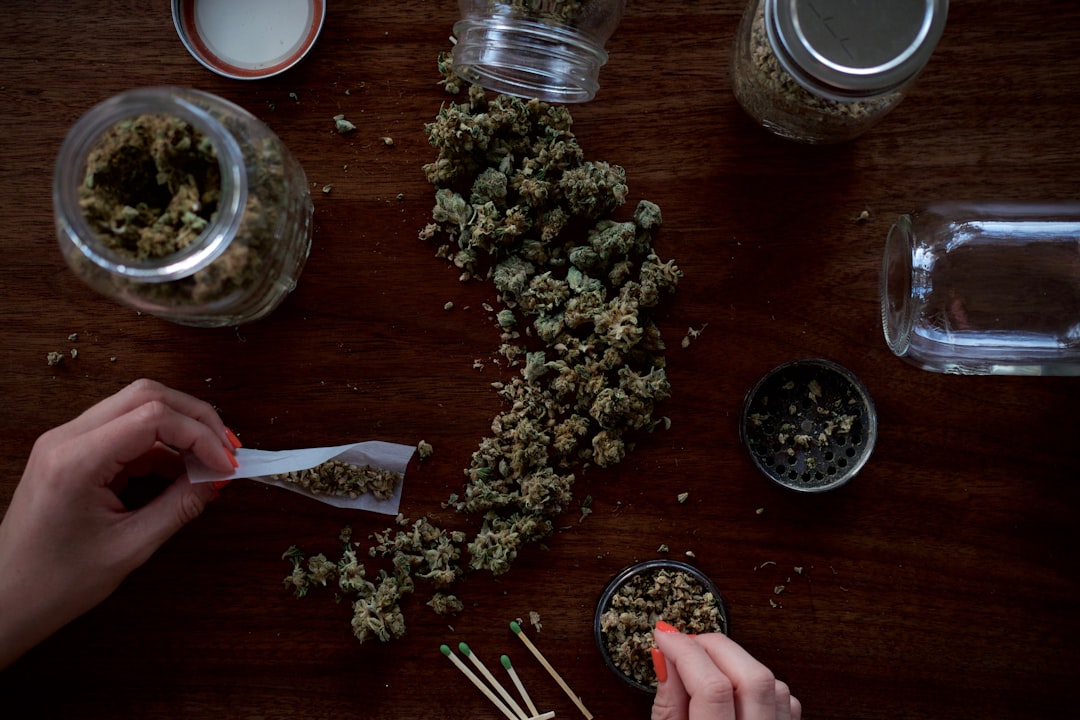
High THC Weed: Who It’s For and When to Go Lower
High THC weed can help some patients, but it’s not always best. Learn THC tolerance, high THC cartridges, and safer options.
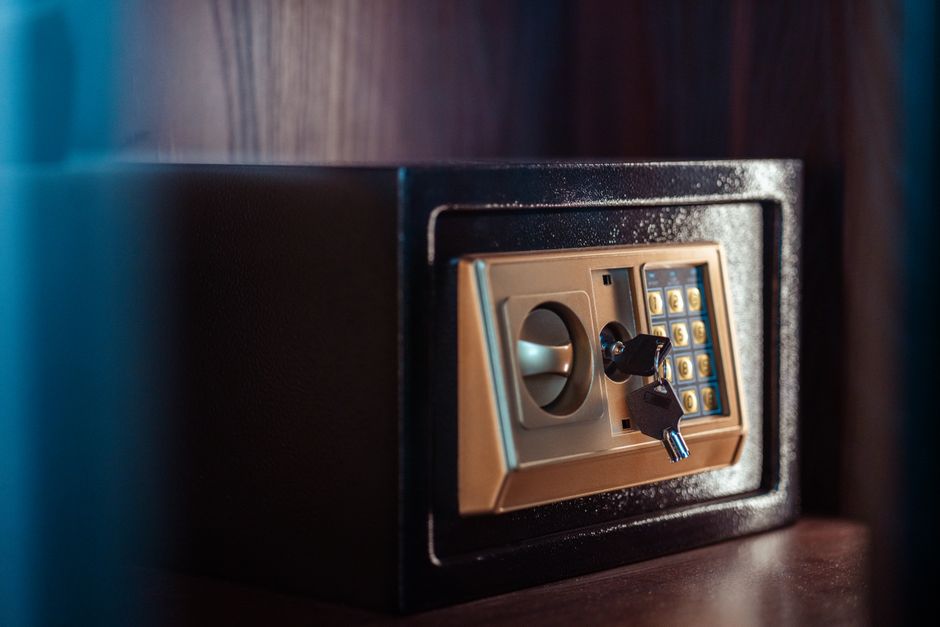
Store weed safely starts with a simple mindset shift: treat your medical cannabis the same way you would treat any strong prescription in your home. That means it gets put away every time, not just when you remember. Most accidental ingestions do not happen in a dramatic moment. They happen in everyday places like the kitchen counter, the nightstand, or the couch cushion where something got set down while you answered a call.
At GrowHealthy, we work hard to cultivate premium, lab-tested medical cannabis for Florida patients, and we package products in compliant, child-resistant containers. Still, child-resistant is not childproof. The last step is always what happens after you get home: your habits, your storage spot, and how quickly you reset everything after each use.
Kids are fast, curious, and motivated by anything that looks familiar. That is why cannabis child safety is mostly a home storage conversation. Many pediatric exposures happen inside the home, often because an adult assumed a product was “out of reach” or “put away well enough,” according to reporting summarized by Children’s Hospital Los Angeles.
The tricky part is that some medical cannabis products do not look like medicine to a child. A gummy pouch can read like candy. A chocolate can read like dessert. Even a tincture bottle can look like something harmless from a vanity or bathroom drawer.
If you use edibles, you already know how convenient they are. You also know why they can cause confusion in a busy household. When something looks and smells like food, it gets treated like food by accident. Poison control data has flagged edible exposures in children, including very young kids, and public guidance regularly recommends storing edibles the way you would store other hazardous household items. You can see a quick overview of these concerns through the American Association of Poison Control Centers.
Another problem is copycat packaging. When edible packaging mimics well-known candy or snack brands, it increases the chance a child will recognize it and reach for it. The Federal Trade Commission has warned that look-alike cannabis edible packaging can create an unnecessary health and safety risk.
So the practical rule is this: if it could be mistaken for a treat, store it like it is a hazard.
You do not need a complicated setup. You need a setup that still works when you are tired, distracted, or in a hurry. We like a three-layer system because each layer covers for the moments when another layer fails.
This works across the board for flower, vapes, concentrates, edibles, tinctures, and topicals. Concentrates and vape oils deserve special respect because a small amount can contain a high concentration of cannabinoids.
Most safety issues do not come from people being careless on purpose. They come from people being human. The fix is a repeatable routine you can do on autopilot.
If you want help picking a format that matches your schedule and comfort level, our Inhalation vs Edibles decision tree for Florida medical cannabis patients breaks it down in plain language.
Pets get into medical cannabis for a different reason than kids do. Dogs follow their nose and they do not care if something is “not for them.” Cats can be curious too, especially with loose flower, packaging, or anything left near a window perch.
To protect your pets, think lower than you would for a child. A purse on the floor. A backpack by the door. A jacket pocket hanging off a chair. Those are easy targets.
If your pet may have ingested any medical cannabis product, call your veterinarian or an emergency animal hospital right away. Fast guidance beats waiting and guessing.
In a perfect world, you never need to explain what a child or pet got into. In the real world, keeping original packaging can make a stressful moment clearer. Labels can help you quickly identify the product name and cannabinoid content, which is useful information to share with medical professionals or a veterinarian.
Original packaging also helps you stay organized as a patient. When you find a product that fits your routine, details matter. If you ever want to double-check what is in your medicine, use GrowHealthy’s COA (Certificate of Analysis) test results and lab transparency page for verification and peace of mind.
Safe storage does not need to be expensive. It needs to be consistent. Pick a solution that matches your day-to-day life, because the best lockbox is the one you will actually use.
| Living situation | A simple setup that works | Small tweak that adds safety |
|---|---|---|
| Kids or grandkids in the home | Lockbox in a closet or high cabinet | Keep edibles in a separate pouch inside the box |
| Roommates or frequent visitors | Locked drawer in a private room | Avoid storing anything in shared kitchen spaces |
| Multiple product formats | Two containers: one for edibles, one for inhalation or tinctures | Refill your weekly routine only when you can put everything away immediately |
| Pets that counter-surf or rummage | Lockbox that stays off the floor | Upgrade to a trash can with a locking lid |
One more Florida-specific note: rules matter, and they can change. If you want the official reference point for program requirements, bookmark the OMMU Rules & Regulations page.
If you suspect a child consumed any medical cannabis product, take it seriously and act quickly. Edible effects can show up later than expected, and symptoms can change over time. If you seek care, bring the original packaging so healthcare providers can see what product was involved.
Once everyone is safe, do not beat yourself up. Tighten the system. Add a lock. Move the storage spot. Make a house rule that products are never handled in shared family spaces.
What is the best way to store weed safely at home?
Use layers: keep medical cannabis in original child-resistant packaging, place it in a locked container, and store that container out of sight. That combo covers the most common “left out for a minute” moments.
Is child-resistant packaging enough for cannabis child safety?
No. Child-resistant packaging buys you time, but it is not a guarantee. Locked storage and a consistent after-use reset are what make the biggest difference.
Where should you store edibles to keep them away from kids?
Skip the pantry and snack drawers. Store edibles in a locked box or locked drawer in a non-food area, like a bedroom closet, and keep them in their original labeled packaging.
What are the most common cannabis pet safety mistakes?
Leaving products in purses or backpacks on the floor, tossing packaging into an open trash can, and underestimating how far a motivated dog will go for something that smells sweet or fatty.
Can GrowHealthy help you choose a format that fits a safer home routine?
Yes. If you want help thinking through product formats and a routine that fits your household, reach out through the GrowHealthy Contact page for patient support.
Safe storage is one of the most practical ways to be a responsible Florida medical cannabis patient. When you store weed safely using original packaging, locked storage, and a simple after-use reset, you protect kids, pets, and your own peace of mind. If you want help building a routine that feels easy to stick to, our team at GrowHealthy is ready to talk it through with you.

High THC weed can help some patients, but it’s not always best. Learn THC tolerance, high THC cartridges, and safer options.
Cannabis topical basics: THC cream vs CBD topical, how they work, and when patients choose topicals for pain without intoxication.
GrowHealthy patient care policy explained: dispensary rules, Florida patient requirements, IDs, safety standards, and smoother visits.