
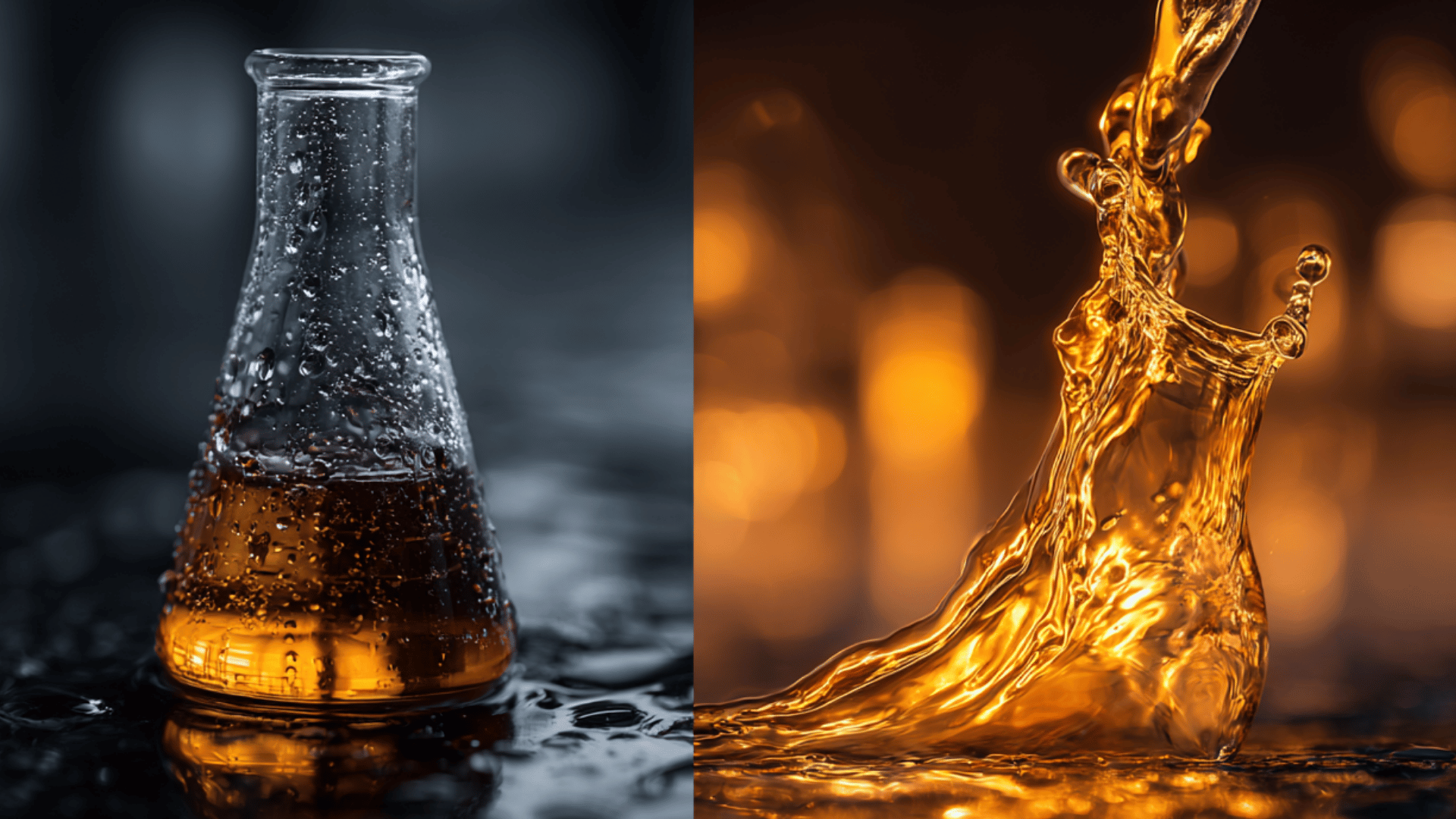
Why “solventless concentrate” on a label matters more than you think
Concentrates are basically the “highlight reel” of the plant: cannabinoids like THC and CBD, plus terpenes that shape aroma and overall experience. Because concentrates are more potent than flower, the way they’re made tends to show up more clearly in day-to-day use.
Extraction method can influence:
- Purity and cleanliness (what you want in there, and what you don’t)
- Terpene character (bright and fresh, or muted and flat)
- Consistency from batch to batch
- Price, since some methods are slower or more labor-intensive
Even if two products list similar THC percentages, they can feel surprisingly different. That gap usually comes down to starting material quality, extraction style, and how well the producer handled the details.
Solventless concentrate basics: what it is, and why patients keep coming back to it
A solventless concentrate is made without chemical solvents. Instead of dissolving the plant with butane, propane, or CO2, solventless methods rely on physical separation. Think ice water, agitation, fine filtration, and then heat and pressure when rosin is pressed.
Common solventless concentrate types you’ll run into include:
- Live rosin (often pressed from fresh-frozen material)
- Rosin (pressed from hash or flower, depending on the product)
- Ice water hash (also called bubble hash)
- Dry sift (a kief-style separation)
If you’re the kind of patient who wants the simplest ingredient story possible, solventless can be an easy fit. No solvent going in means you’re not relying on a purge step to remove it later. That peace-of-mind factor matters, especially if you’re sensitive to additives or you just prefer “less processing” when you can get it.
Flavor is the other big reason people stick with it. A great live rosin often tastes closer to the cultivar it came from, especially when the starting material is handled well from harvest to freeze.
If you want to browse what’s available right now, start with GrowHealthy’s concentrates category and filter by the texture you like using most.
Hydrocarbon extraction: terpene-rich options, plus a bigger need for COA checks
Hydrocarbon extraction is the method behind many of the concentrate textures people recognize right away. It typically uses butane, propane, or a blend to pull cannabinoids and terpenes from plant material, then removes the solvent through controlled purging.
This is how you often get products like:
- Live resin
- Shatter
- Wax and budder
- Sugar and sauce
When hydrocarbon extracts are produced correctly in closed-loop systems and tested thoroughly, they can be loud in the best way: bold aroma, layered flavor, and a full-spectrum profile many patients enjoy. If you want a plain-English overview of how solvent-based extraction stacks up to solventless in real-world production, MJBizDaily’s breakdown of solvent-based vs solventless extraction gives helpful context.
The part you should not skip is verification. With hydrocarbon extracts, your confidence comes from the lab work. Residual solvent limits exist for a reason, and the COA is where you confirm the batch landed where it should.
If you want a quick primer on how people evaluate solvent vs solventless and why residual-solvent panels matter, you can also scan USA Lab’s guide to choosing solvent vs solventless extraction.
CO2 extraction cannabis: where it fits, and why you see it so often in vapes
CO2 extraction cannabis uses pressurized carbon dioxide as the extracting solvent. When pressure is released, CO2 can dissipate cleanly, which is why many patients view it as a “clean-feeling” option even though it is still solvent-based.
In practice, CO2 oil shows up a lot in vape cartridges and some tinctures because it can be produced with consistent output at scale. If vaping is part of your routine, you can explore GrowHealthy’s current lineup of vaporizers to compare formats and potency ranges.
One honest note: some CO2 extracts come across as less aromatic than top-shelf live resin or a standout live rosin. That does not mean it’s “worse.” It just means flavor chasers tend to notice the difference. If you care most about consistency and availability, CO2 can still be a very practical lane.
Solventless concentrate vs hydrocarbon extraction: a quick way to choose without overthinking it
Here’s a simple decision path you can use while you’re browsing a menu or talking with your budtender. No pressure to memorize anything. Just pick the priority that matches your day.
- Go solventless when you want minimal processing and a straightforward ingredient story. Many patients reach for live rosin or hash-based options when purity is the main goal.
- Go hydrocarbon when you want big terpene expression, more texture options, and usually a wider range of price points. A well-made live resin can be excellent, as long as the COA supports it.
- Go CO2 when you want a common, consistent option that fits easily into cartridges and everyday routines.
One more thing that matters just as much as the method: starting material. Fresh input, good storage, and proper packaging can make the difference between a concentrate that smells vibrant and one that feels like it’s been sitting under a heat lamp.
What to check before you buy any concentrate (your “two-minute” checklist)
If you’re new to concentrates, or you’re simply trying to avoid buying something that doesn’t match your tolerance, this quick routine helps.
- Pull the COA for that batch. Look at cannabinoid potency, terpene totals, and the safety panels. If it’s a hydrocarbon product, check residual solvents closely.
- Match potency to your comfort level. Concentrates hit fast for a lot of patients. Start with a small amount and give it time before you add more.
- Pick a texture that fits how you actually use it. Some are easier for dabbing, some are better for topping flower, and some oils are meant for cartridges only.
- Stay inside Florida’s regulated medical program. Licensed, lab-tested products are your best baseline for consistency and safety.
If you’re ever weighing pickup vs delivery, GrowHealthy offers statewide delivery in Florida with limited exceptions. Details (including the minimum purchase) are on our delivery page.
How to talk about results without chasing the highest THC
It’s tempting to treat THC percentage like a score, especially with concentrates. In real life, it’s only one piece. Terpenes, minor cannabinoids, and your own sensitivity play a role too. So if a concentrate looks “lower THC” than the one next to it, that doesn’t automatically make it the weaker choice for you.
If you want to stretch your budget while you experiment, it can help to keep an eye on patient savings. GrowHealthy posts ongoing offers and first-time patient deals on our discounts page.
FAQ: solventless concentrate, hydrocarbon extraction, and CO2 extraction cannabis
Is solventless concentrate always better?
Not automatically. Solventless is popular because it avoids chemical solvents and can deliver excellent flavor. A properly produced, well-tested hydrocarbon extract can also be high quality. “Better” depends on what you value most: ingredient simplicity, terpene punch, budget, or a specific texture.
What does BHO mean on a label?
BHO stands for Butane Hash Oil. It’s a category of concentrates made using butane as the solvent, followed by purging and lab testing before it’s sold in regulated markets.
Should you worry about residual butane or propane in hydrocarbon extracts?
In a licensed, properly run process, residual solvent levels should test within regulated safety limits. You do not have to guess. Check the COA for the residual solvents panel for that specific batch.
Does CO2 extraction cannabis mean there is zero residue?
CO2 can dissipate cleanly after extraction, which is part of why it’s commonly trusted. Still, the COA is your best habit because it shows the full testing picture for the product you’re actually buying.
What’s the best choice if you’re sensitive to additives?
Many patients start with solventless options since no chemical solvent is used in extraction. If you’re unsure, ask a team member to walk you through the COA so you can choose based on facts, not guesswork.
Do you need a Florida State Issued Medical Card to buy concentrates at GrowHealthy?
Yes. GrowHealthy serves qualified medical cannabis patients in Florida. If you’re still in the research phase, you can review an overview of the process at how to get a medical marijuana card in Florida, then follow current state requirements from the OMMU Rules & Regulations page.
Final takeaway: pick the method you trust, then verify with the COA
Solventless concentrate vs hydrocarbon extraction is not a debate you have to “win.” It’s a quick way to narrow your options. Start with your priority, whether that’s minimal processing, terpene intensity, or a consistent vape-friendly format. Then confirm the details on the COA so you know exactly what you’re getting.
When you’re ready, browse GrowHealthy’s concentrates selection, and lean on our team if you want help matching a texture and potency range to your routine. This is your wellness plan, and you deserve to feel informed every step of the way.