

Medical Marijuana for Chronic Pain in Florida Guide
Medical marijuana for chronic pain in Florida: learn chronic nonmalignant pain rules, how to qualify, apply in MMUR, and get a Florida State Issued Me...
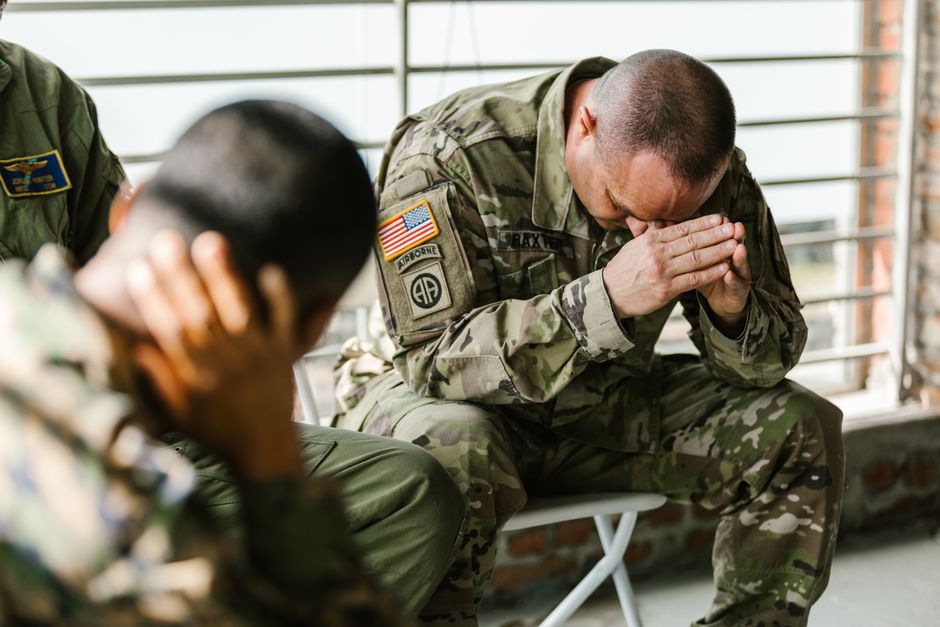
Medical marijuana for PTSD is legal in Florida, and if you already have a documented diagnosis, the next steps are usually more manageable than you might expect. You do not need a “special case” story or a certain background. Florida’s rules focus on your qualifying condition, a physician certification, and completing the state application for your Florida State Issued Medical Card.
If you are a GrowHealthy customer or you are thinking about switching from another Florida dispensary, this guide walks you through who qualifies, what the process looks like day to day, what veterans should know about the VA, and how to approach medical cannabis with steady expectations and good habits.
Yes. PTSD is specifically listed as a qualifying condition in Florida’s medical cannabis program, so you are not trying to “fit” into a gray area. What you do need is:
Florida’s program is overseen by the Office of Medical Marijuana Use, and the day-to-day rules for patients live under the MMUR and OMMU guidance. If you want to read the state’s requirements in plain, official language, use the OMMU Rules and Regulations page: Florida OMMU Rules & Regulations.
Florida does not set one standard for veterans and another for civilians. If you have PTSD and your evaluating physician believes medical cannabis could be appropriate for you, you follow the same state pathway as any other patient.
What typically makes an appointment go smoother is showing up with enough context for the physician to understand your situation. That often includes past treatment attempts and how PTSD affects your routine, like sleep disruption, intrusive thoughts, irritability, anxiety, or feeling stuck in “always on” mode.
Many people worry they will be judged for asking about medical cannabis. A solid clinic visit should feel the opposite. You should be able to talk plainly about what you have tried, what has helped, what has not, and what you hope to improve, without having to oversell it.
The PTSD medical card Florida process is mostly a checklist. Your timeline depends on how quickly you can do the physician visit and submit your state application without missing fields or uploading the wrong document.
If you want a patient-friendly view of the steps from certification to shopping, GrowHealthy lays it out here: Become a Patient at GrowHealthy.
Paperwork is where people get tripped up, especially if you are dealing with brain fog, poor sleep, or stress. If you want a simple prep list for your appointment, use this GrowHealthy guide: What to Bring to a Medical Cannabis Doctor Appointment in Florida.
When you want a third-party overview of the state application flow, this legal resource is a helpful reference: How to Get a Medical Marijuana Card in Florida.
PTSD is not just one symptom. It can show up as sleep problems, tension you cannot switch off, or feeling worn down by your own stress response. Some patients explore medical cannabis as one part of a bigger plan, often alongside therapy and other clinician-guided care.
You will also hear clinicians talk about the endocannabinoid system, because it is involved in things like mood, stress response, and sleep regulation. If you want a Florida-focused condition overview, this resource explains why patients often ask about medical cannabis for PTSD: PTSD and Medical Cannabis (MMTC Florida).
In real life, patients often describe goals like:
Worth saying out loud: medical cannabis is not a cure for PTSD, and it is not a replacement for mental health support. It can be a tool, but it should not be your only tool.
If you are a veteran, the confusing part is usually the split between state and federal rules. Florida allows medical cannabis for PTSD, but the VA does not prescribe or recommend cannabis because it remains federally restricted. In practical terms, your physician certification needs to come from a Florida-qualified medical cannabis doctor outside the VA system.
That said, many veterans do participate in Florida’s program successfully. If you want a policy-level explainer that specifically addresses PTSD and state programs, you can review this resource from the Marijuana Policy Project: PTSD and Medical Cannabis Programs.
If you are managing VA care alongside a Florida medical cannabis certification, it helps to keep your broader healthcare team informed. Not for permission, but for safety and coordination, especially if you take medications for sleep, anxiety, or depression.
Once your Florida State Issued Medical Card is active, the next decision is not “What is the strongest thing?” A better question is, “What fits my life and how sensitive am I to THC?” With PTSD, some people prefer gentler options and smaller serving sizes, especially at first.
Different formats also behave differently. Inhalation formats tend to feel faster. Edibles can take longer and last longer. Tinctures can be easier for precise serving sizes. If you want a clear, beginner-friendly rundown, GrowHealthy keeps dosing basics here: GrowHealthy Dosing Info.
When you are ready to browse, you can view what is currently available directly through GrowHealthy here: Shop GrowHealthy. If getting out of the house is tough on certain days, delivery can remove a barrier. GrowHealthy delivery is free with a $75 minimum purchase, and you can review the details here: GrowHealthy Delivery.
And if value is part of your plan, keep these two pages bookmarked:
When you are using medical cannabis for PTSD, consistency matters. You want to know what you are taking, and you want confidence that it has been lab tested. That is where a COA (Certificate of Analysis) comes in. A COA shows lab results for things like potency and other quality markers so you can make informed choices, not guesses.
If you ever want help understanding how to read product details or how to compare options, the education section of the GrowHealthy blog is a good place to dig in: GrowHealthy Blog.
It is completely reasonable to feel curious and hopeful about medical cannabis, while also keeping your expectations grounded. Research is still developing, and your experience can vary based on serving size, cannabinoid profile, terpene profile, and your own sensitivity.
These guardrails help you use medical cannabis more responsibly:
Does medical marijuana for PTSD qualify in Florida?
Yes. PTSD is an explicitly listed qualifying condition in Florida. If you have a documented diagnosis and a Florida-qualified physician provides your certification in the MMUR, you can apply for a Florida State Issued Medical Card.
Is the PTSD medical card Florida process different if you are a veteran?
The state process is the same for veterans and civilians. The key difference is that VA providers cannot issue a medical cannabis certification, so you will need to see a Florida-qualified physician outside the VA system.
How long does it take to get a Florida State Issued Medical Card?
On average, approval takes about 5 to 7 business days after you submit the application correctly. On rare occasions, it can take 2 to 3 weeks.
Do you need medical records for a PTSD certification appointment?
Requirements vary by physician, but records usually help. Bring what you have, plus a list of current medications and a simple timeline of symptoms so you do not have to rely on memory in the moment.
Can medical marijuana for PTSD replace therapy or prescription medications?
No. Medical cannabis should not be treated as a replacement for professional mental health care. Many patients use it as a complement to therapy and other clinician-guided treatment plans.
If you are considering medical marijuana for PTSD in Florida, you are not alone, and you are not navigating a secret handshake process. With a documented diagnosis, a physician certification, and a completed state application, you can receive a Florida State Issued Medical Card and shop regulated medical cannabis options legally.
When you are ready, keep it simple. Prepare your documentation, ask direct questions at your evaluation, and start low and slow with any new product. GrowHealthy is here with premium, lab-tested options across flower, vapes, concentrates, edibles, tinctures, topicals, and RSO, plus patient-first guidance and convenient pickup or delivery across Florida.