Is Delta 8 Legal in Florida? Hemp vs Medical Program
Is delta 8 legal in Florida? Yes, for now under hemp rules. Learn delta 8 Florida law, enforcement risks, and how it compares to the medical program.
...
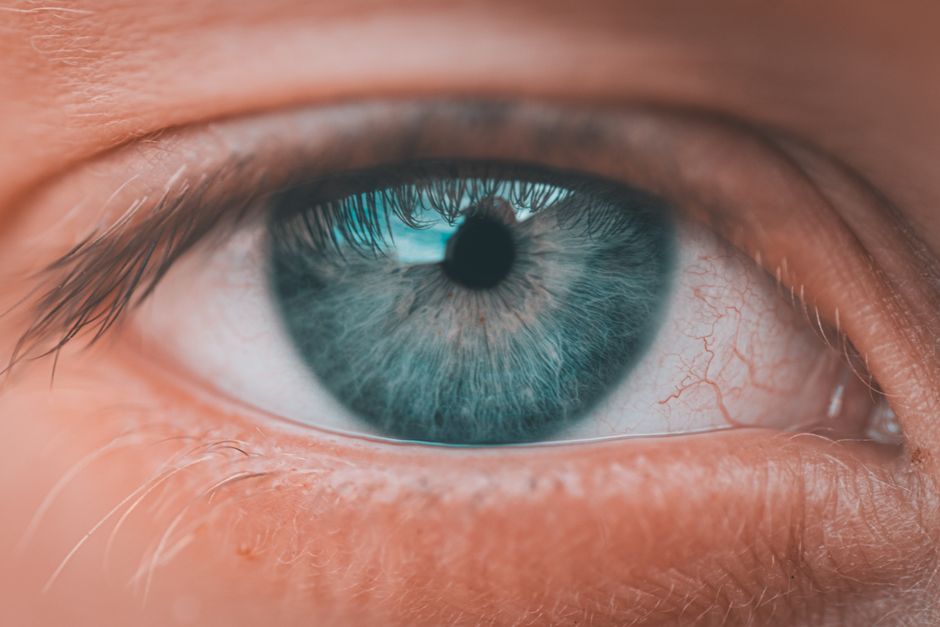
Medical marijuana for glaucoma is on Florida’s list of qualifying conditions, so if you’ve been diagnosed, you can legally explore it as part of your broader care plan. What you want to know is practical: how the Florida process works, what cannabis might help with, what it probably will not do for your eye pressure long-term, and how to move forward safely with your doctors in the loop.
Let’s keep this grounded. Glaucoma is serious and protecting your vision is the priority. Medical cannabis can be a supportive tool for some patients, but it is not a replacement for proven glaucoma treatment.
Yes. Glaucoma is an approved qualifying condition under Florida’s medical cannabis program. That means your diagnosis can support a physician certification and your application for a Florida State Issued Medical Card, as long as a qualified medical marijuana doctor reviews your history and decides cannabis may be appropriate for you.
If you want to see an outside summary of that eligibility point in plain language, you can read this overview from Green Health Docs: Can you get a medical card for glaucoma in Florida?.
You do not need to have every product decision figured out before you start. Think of the process as getting your paperwork and physician certification in place first. Shopping comes after your approval.
For a clear walkthrough of the state steps, timing, and common hiccups that slow people down, this Florida legal guide is a solid reference: How to get a medical marijuana card in Florida.
Most patients see approval in about 5 to 7 business days. On rare occasions, it can take closer to 2 to 3 weeks if documents need clarification.
Florida’s program has real structure. Routes, purchasing limits, and patient responsibilities are set by the state and managed through the registry. If you like to read straight from the source, the official rules live here: OMMU Rules & Regulations.
Two practical reminders that matter for everyday life:
People talk about cannabis and glaucoma for one main reason: THC has been shown to temporarily reduce intraocular pressure (IOP) in some patients. That detail is real, and it is part of why the topic keeps coming up.
But here’s the limitation you should hear clearly: the IOP effect is typically short-lived, often discussed as lasting only a few hours. Glaucoma management is an all-day, every-day thing, including overnight, so a short window of relief does not line up well with how glaucoma is normally treated.
That is also why many eye specialists see cannabis as a possible add-on for comfort or quality of life, not as your primary plan for protecting your optic nerve.
If you’ve felt dismissed when you bring up cannabis, you’re not alone. Most of the pushback is not about judging you, it is about consistency and evidence. The American Academy of Ophthalmology explains that marijuana and cannabinoid products are not considered practical treatments for glaucoma and should not replace established options like prescription eye drops, laser treatment, or surgery when needed. You can read their guidance here: Medical marijuana and glaucoma treatment.
It’s still worth an honest conversation with your ophthalmologist. If you are using medical cannabis for sleep, stress, or discomfort, your eye doctor should know, just like they should know about any supplement or medication you take.
In real life, many patients are not chasing an “IOP solution” from cannabis. They are looking for help with what comes along for the ride: trouble sleeping, tension, occasional discomfort, or feeling worn down by a chronic diagnosis. If that sounds familiar, you’re thinking about it the same way many experienced patients do.
Your medical marijuana physician decides what routes are appropriate for you. Once you are approved, you will typically see patients choose formats based on how quickly they want effects and how long they want them to last:
If you’re newer and want a simple refresher on dosing basics and formats, you can use GrowHealthy’s educational guide here: Dosing info.
Medical cannabis is still a medication decision. Some people feel calm and steady. Others feel lightheaded, anxious, or simply “off” in a way they did not expect. Your goal is to learn your response without putting yourself in a risky situation.
Once you have your Florida State Issued Medical Card, you can shop at licensed Florida dispensaries. At GrowHealthy, you’ll find a wide range of lab-tested medical cannabis across flower, vapes, concentrates, edibles, tinctures, topicals, and RSO, with a patient-first team that can help you navigate options without the pressure.
Before you place an order, you can browse what’s available on our live menu: Shop GrowHealthy. If delivery is easier for you, here’s what to expect, including the $75 minimum and where service is available: GrowHealthy delivery.
To keep costs predictable, you can also check two separate savings pages, depending on what you need:
If you want more patient-friendly education, strain insights, and Florida program explainers, you can always start here: GrowHealthy Blog.
When you’re using medical cannabis as part of a routine, consistency is a big deal. One practical habit is checking the COA (Certificate of Analysis) so you know what you’re getting from batch to batch. If you’ve never looked at one before, don’t overthink it. You’re mainly confirming potency and that the product has been lab tested.
Yes. Medical marijuana for glaucoma is legal in Florida for eligible patients, because glaucoma is a qualifying condition. You still need a certification from a qualified physician and approval for a Florida State Issued Medical Card.
No. Eye specialists do not recommend cannabis as a substitute for established glaucoma treatments. The IOP-lowering effect of THC, when it occurs, is usually short, and glaucoma care requires steady, long-term pressure control.
Not necessarily. Responses vary by person, dose, and product. Even when IOP decreases, it may only last a few hours, which can make it hard to rely on as a pressure-management strategy.
Bring a simple list: what you’re using (or considering), when you use it, and what you notice. Ask your ophthalmologist what to watch for with your specific type of glaucoma, and ask your medical marijuana physician how to approach dosing cautiously based on your goals and tolerance.
Many patients are approved in about 5 to 7 business days. If documentation needs follow-up, it can take longer, and on rare occasions may stretch to 2 to 3 weeks.
If you’re considering medical marijuana for glaucoma in Florida, you’re asking the right questions. You can qualify legally with the right diagnosis and physician certification, but cannabis is best viewed as a supportive part of your routine, not a replacement for glaucoma care that protects your vision.
When you’re ready, GrowHealthy is here to help you shop confidently with lab-tested products, clear education, and options like priority pickup and statewide delivery where available.