
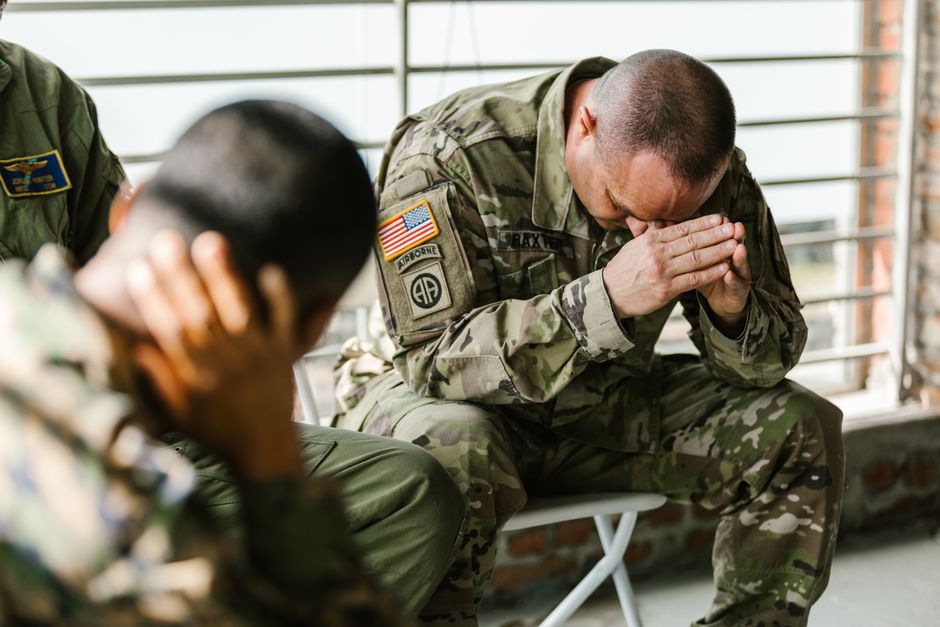
Medical Marijuana for PTSD in Florida: Who Qualifies?
Medical marijuana for PTSD is legal in Florida. Learn who qualifies, how the Florida State Issued Medical Card works, and VA considerations for vetera...
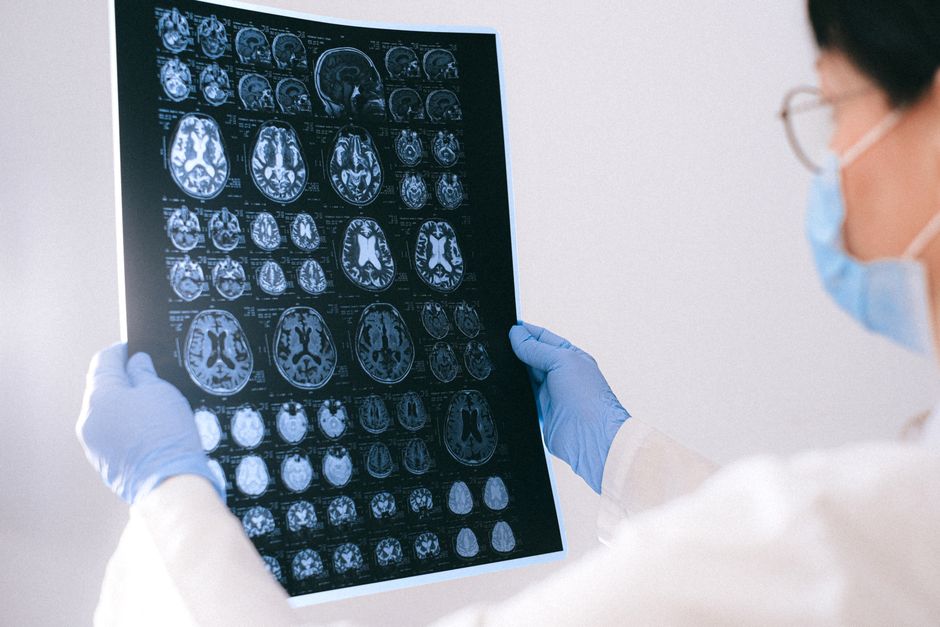
Medical marijuana for epilepsy is legal in Florida, and if you are looking into it for seizure support, you are not alone. The tricky part is separating helpful, real-world guidance from internet noise. This guide walks you through what Florida allows, what to bring up with your doctor, and how to shop responsibly once you have a Florida State Issued Medical Card.
Yes. Epilepsy is recognized as a qualifying condition in Florida’s medical cannabis program. That matters because it means a qualified Florida physician can evaluate you and, if appropriate, enter your certification in the Medical Marijuana Use Registry, also known as the MMUR, which is overseen by the Office of Medical Marijuana Use, or OMMU.
One important ground rule: you cannot self-prescribe or buy from unlicensed sources. Physician oversight is there for a reason. Seizure disorders are not one-size-fits-all, and your other medications, triggers, and history all play into what is safe for you.
If you want to read the state’s rules in plain terms before your visit, start with Florida’s official program page on OMMU rules and regulations. It is the best reference for what patients and caregivers are expected to follow.
When people talk about cannabis and seizures, they are usually talking about two cannabinoids: CBD (cannabidiol) and THC (tetrahydrocannabinol). CBD has the strongest research track record for certain seizure disorders, including the kind of data that helped lead to an FDA-approved prescription CBD medication for specific rare epilepsies. That is a meaningful milestone because it moved the conversation beyond “I heard it helped someone” and into controlled studies.
Still, “studied” does not automatically mean “right for you.” The type of epilepsy you have, your current antiepileptic meds, and even how your body responds to cannabinoids can change the risk-benefit picture. If you want a Florida-specific explainer that is easy to follow, you can also read this overview of medical cannabis and epilepsy for a helpful starting point.
If your goal is medical marijuana for seizures, ratios are not a minor detail. Many patients and clinicians start by discussing a high-CBD, low-THC approach, especially when you are trying to avoid side effects that can come with more THC for some people, like increased anxiety, racing thoughts, or sleep disruption.
That does not mean THC is “bad” across the board. It means your plan should be individualized, and it should be monitored. A good resource to help you prep for that conversation is the Epilepsy Foundation’s page on medical cannabis and epilepsy, which emphasizes supervision and informed decision-making.
When you are new to medical cannabis, the options can feel endless. Flower, vapes, concentrates, edibles, tinctures, topicals, RSO. You do not need to master all of it on day one.
A simple way to choose a starting point is to think about two things: how quickly you need onset and how easy it is for you to measure a consistent dose.
If you want a straightforward refresher on dosing basics and how to think in measured steps, GrowHealthy keeps a practical guide here: dosing info. It is built around the idea that you should be able to repeat what works, not guess at it.
If you are caring for someone with epilepsy, especially a child, you are probably balancing a lot already. Florida does allow minors to participate in the medical cannabis program, but the caregiver role becomes central in real life. That can include helping with registry access, pick-up, and making sure products are stored and used responsibly.
If you are stepping into that role, give yourself a little runway. Paperwork, renewals, and day-to-day logistics can take more time than you expect. For caregiver-focused education and patient guidance, you can browse the GrowHealthy education library on our blog.
The process is usually pretty manageable when you take it step by step:
Most patients see approval in about 5 to 7 business days, though on rare occasions it can take 2 to 3 weeks. For a clear walkthrough of the steps and timing, you can reference how to get a medical marijuana card in Florida.
Once you are active in the registry, the goal is simple: choose products you can trust and doses you can track. At GrowHealthy, you can browse based on the format that fits your routine and your physician’s recommendations by starting here: Shop GrowHealthy.
You should also get comfortable checking a COA, which is short for Certificate of Analysis. It is the lab testing report that helps you confirm what is in the product you are buying. If you ever want help reading labels or understanding basic cannabinoid info, our team can walk you through it in a patient-first way.
If you are trying to manage costs, keep the difference between the two deal types clear:
If delivery is easier for you or for someone you care for, GrowHealthy offers delivery from four Florida locations with limited exceptions. Delivery is free with a $75 minimum purchase. Details are always up to date on our delivery page.
Your doctor conversation is where this gets real. Bring your current medication list, be honest about side effects you are dealing with, and share any patterns you have noticed in your seizures. You do not need perfect notes, just a clear picture.
Here are questions that tend to lead to productive, practical answers:
One more thing that is worth saying out loud: medical cannabis is often treated as a complementary tool, not an automatic replacement for your established epilepsy medications. Any change to prescribed meds should only happen with your treating clinician’s guidance.
Is medical marijuana for epilepsy legal in Florida?
Yes. Florida’s medical cannabis program allows qualified patients with epilepsy to pursue certification through a qualified physician and apply for a Florida State Issued Medical Card through the MMUR.
Can medical cannabis replace my seizure medications?
Do not stop or replace prescribed seizure medication without your neurologist or prescribing clinician directing that change. Many patients explore medical cannabis as an add-on approach, and the safest route is coordinated care.
Is CBD always the best choice for medical marijuana for seizures?
CBD is the cannabinoid most closely associated with anticonvulsant research, but “best” depends on your situation. Your physician can help you decide whether a high-CBD product, a specific CBD:THC ratio, or another approach is appropriate.
What is a safe way to start if I am new to medical cannabis?
Start with physician guidance, choose lab-tested products with clear labeling, and track your dosing and effects. Consistency matters more than chasing the strongest option.
Can a caregiver pick up medical cannabis for an epilepsy patient?
Yes, caregivers can legally help purchase and administer medical cannabis for a registered patient, including minors, as long as the state’s caregiver requirements are met.
Exploring medical marijuana for epilepsy can feel like a big decision, but you can make it a lot simpler by focusing on three things: medical guidance, realistic expectations, and products you can verify and measure. If you ever want help understanding formats, reading a COA, or building a consistent shopping routine after you are approved, GrowHealthy is here to support you with education and a patient-first experience.