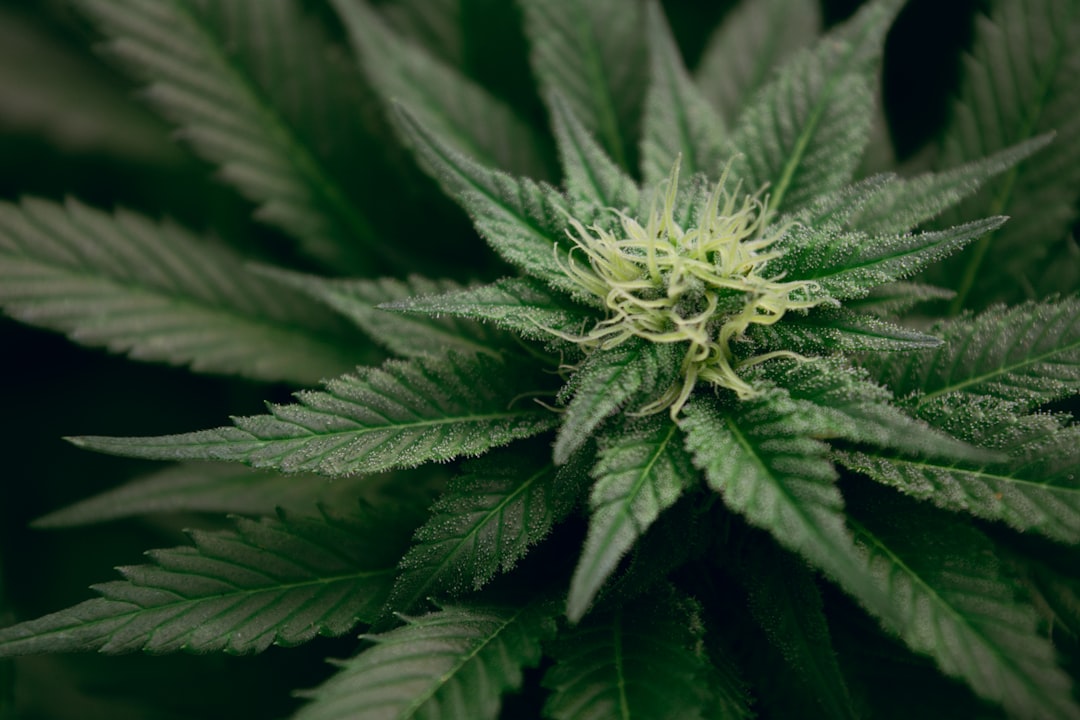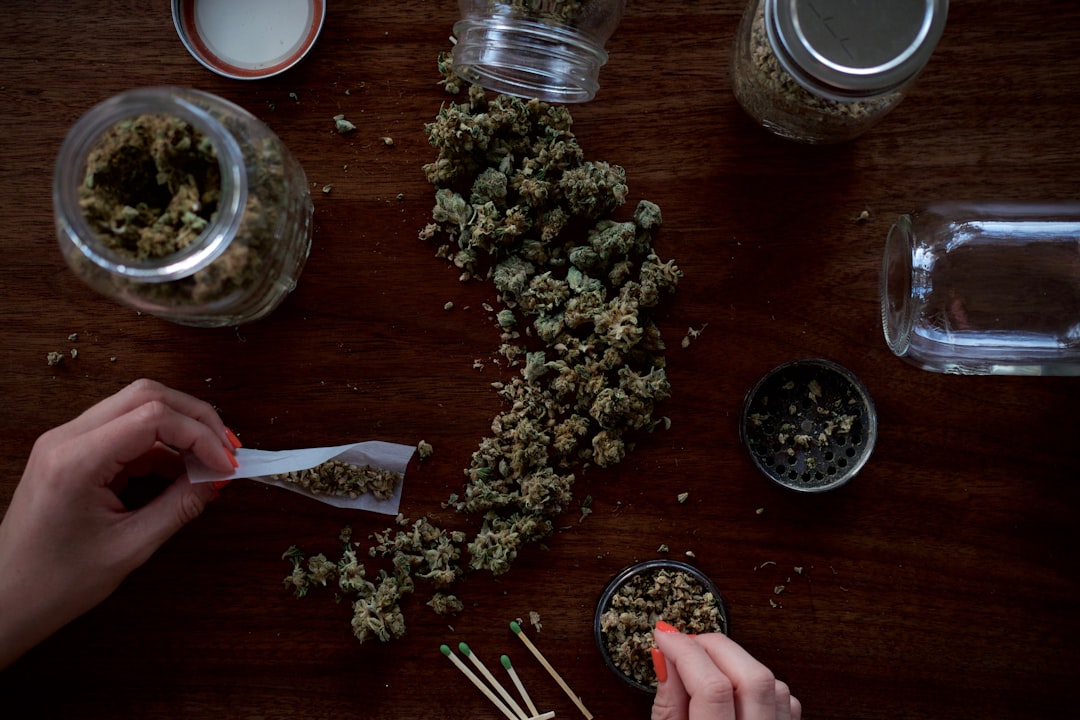
Lemon Tree strain is one of those cultivars you can recognize the second you open the jar. You get that lemon peel snap right away, then a little fuel-like funk underneath, and a clean citrus finish that makes a lot of GrowHealthy patients reach for it when they want something that feels daytime-friendly.
If you have ever tried two products with the same strain name and wondered why they hit differently, you are not imagining it. With Lemon Tree, the difference usually comes down to chemistry, not the label on the shelf. Below, you will get a plain-English look at what drives the scent, how Lemon Tree effects are often described, and how to use lab results to pick a batch that fits your day.
What the Lemon Tree strain is and why batches can feel different
Lemon Tree is commonly listed as a hybrid linked to Lemon Skunk and Sour Diesel. In the real world, though, “Lemon Tree” can mean slightly different cuts depending on the grow and the market. Even with solid genetics, small shifts in cultivation and curing can nudge which terpenes lead, which changes the vibe.
So treat the name as your starting point, then let the numbers and the aroma do the rest.
Lemon Tree strain terpene profile: why limonene usually runs the show
The calling card of the Lemon Tree strain is its citrus-forward terpene profile, and the terpene you will hear about most is limonene. Limonene is found in citrus rinds, and in medical cannabis it is often associated with a brighter, more “up” sensory feel. Translation: if you are chasing that fresh lemon zest aroma, limonene is usually the reason.
Of course, limonene rarely works alone. Many Lemon Tree batches also show supporting terpenes that round out the experience. A good example is the way some reviews and lab summaries describe Lemon Tree as THC-dominant with limonene up top, plus common supporting players like myrcene and caryophyllene. If you like digging into background strain info, you can read a general overview at Try Cannavine’s Lemon Tree strain page.
- Limonene: bright citrus peel aroma; many patients associate it with an upbeat, lively feel
- Myrcene: can bring a softer, more eased body tone for some people
- Caryophyllene: peppery, grounding character that can help the overall profile feel more balanced
- Pinene (sometimes): crisp, fresh edge that some patients connect with a clearer headspace
If you are new to terpenes and want an easy, non-intimidating explainer on limonene specifically, this overview is a helpful read: Limonene terpene guide from Ivy Hall.
Lemon Tree effects: what patients often notice from start to finish
When people talk about Lemon Tree effects, you will often hear a two-part pattern. First comes the lift, then comes the settle. The beginning is commonly described as brighter and more mentally active, which is why many patients save Lemon Tree for daytime or early evening. As time passes, it tends to smooth out into something calmer without automatically pushing you into the couch, especially at a modest dose.
That “lift then land” pattern shows up in a lot of patient-facing writeups. For example, Canna Provisions describes Lemon Tree as a hybrid that can feel uplifting and creative up front, with a more relaxed, content back half depending on the batch. You can read that perspective here: Lemon Tree strain review from Canna Provisions.
- Up front: brighter mood, more mental motion, a little extra get-up-and-go for some patients
- Mid-session: steadier, smoother feel; less sharpness at the edges
- Later on: comfortable calm that can stay functional, depending on your dose and tolerance
One quick reminder from the GrowHealthy team: your experience depends on your endocannabinoid system, your tolerance, the product format, and what else is going on that day. You are not doing anything “wrong” if your Lemon Tree feels more calming than energizing, or vice versa.
How to shop the Lemon Tree strain by COA (Certificate of Analysis)
If you want to be confident in what you are buying, shop the Lemon Tree strain by its COA (Certificate of Analysis), not just the strain name. Two Lemon Tree batches can smell similar but land differently if one is limonene-and-pinene forward while another leans heavier into myrcene or caryophyllene.
Here is what to look for when you are comparing lab-tested batches:
- Total terpene percentage: a quick clue for how loud the aroma and flavor may be
- The lead terpene: if you want that classic lemon pop, confirm limonene is near the top
- The supporting terpenes: myrcene can read “softer,” caryophyllene can read “steadier,” and pinene can add a crisp edge
- THC and minor cannabinoids: higher THC is not automatically “better,” especially if you want to stay clear and functional
To check lab results before you shop, head to the GrowHealthy test results page: GrowHealthy COA hub. If you are newer to medical cannabis, start low and go slow, and consider saving higher-THC batches for times when you do not need to be on a tight schedule.
Best ways to work Lemon Tree effects into a patient-friendly routine
Lemon Tree’s citrus terpenes tend to stand out most in inhalable formats because the aroma and flavor show up right away. Still, the “best” format is the one that fits your comfort level and your day. If you like comparing batches by nose and COA side by side, starting with flower is often the easiest path. You can browse options here: GrowHealthy flower.
Small routine tweaks can make a big difference with Lemon Tree, especially if you are using it earlier in the day:
- Pick your timing: if you are sensitive to more energizing cultivars, try it on a lighter day first
- Hydrate: citrus-forward strains can feel a little drying for some patients
- Adjust dose before you blame the strain: a smaller amount often keeps the experience clearer and more even
- Plan your setting: if you are trying a new batch, keep your first session low-commitment
Quick note on Florida medical cannabis rules (because it matters)
As a Florida medical cannabis patient, staying up to date on the rules is part of using responsibly. The state program is overseen by the Office of Medical Marijuana Use, and you will sometimes see it referenced along with the MMUR, which is the Medical Marijuana Use Registry. For the official guidelines, bookmark: OMMU Rules & Regulations.
If you are helping a friend or family member get started, this guide explains the process for a Florida State Issued Medical Card: How to get a medical marijuana card in Florida.
FAQ: Lemon Tree strain, limonene terpene, and what to expect
Is Lemon Tree strain more energizing or relaxing?
Many patients describe Lemon Tree effects as uplifting first and calmer later. Your batch matters, so check whether limonene leads and which terpenes are supporting it on the COA.
What does Lemon Tree taste and smell like?
You will usually notice lemon zest and sweet citrus up front, with a diesel or skunky edge in the background. If you love a true citrus strain aroma, Lemon Tree is often a good match.
What terpene is responsible for the “lemon” aroma?
The limonene terpene is the main driver of that bright citrus character, while pinene, myrcene, and caryophyllene can shape how sharp, smooth, or grounded the profile feels.
How do you pick a Lemon Tree batch that fits your day?
Start with the COA. For more of a daytime lift, many patients prefer limonene-forward batches, sometimes with a bit of pinene. For a steadier, more grounded feel, look for relatively more caryophyllene or myrcene.
Where can you check GrowHealthy lab results before you buy?
Use the GrowHealthy test results page to review COAs by batch so you can shop with more confidence.
Conclusion: make Lemon Tree strain work for you by following the terpenes
If you want a lemon-forward cultivar that can stay functional at the right dose, Lemon Tree strain is a great one to shop intentionally. Let the COA guide you, pay attention to whether limonene is leading the terpene list, and choose a format that matches your routine. If you ever want a second set of eyes on a batch, your GrowHealthy team is here to help you read the label and pick something that fits your goals.