
GrowHealthy Patient Care Policy: In-Store Safety Guide
GrowHealthy patient care policy explained: dispensary rules, Florida patient requirements, IDs, safety standards, and smoother visits.
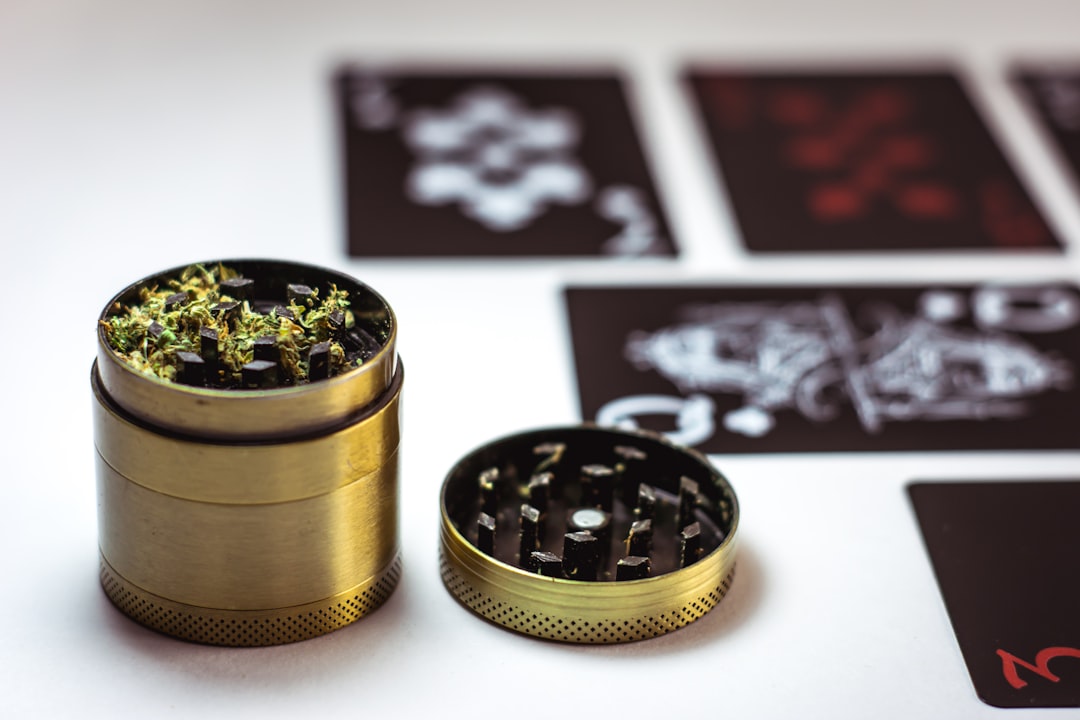
Kief explained, in plain language: it’s the soft, sandy-looking stuff that collects from cannabis flower over time, and it can make your regular routine feel noticeably stronger without switching strains. If you have ever opened a grinder and found a light gold powder tucked under the screen, you have already met kief.
At GrowHealthy, we like kief because it’s simple. No complicated gadgets, no mystery solvents, and no need to reinvent your whole session. Still, it’s concentrated, so a little goes a long way. Below, we’ll walk through what kief is, how it’s made, how potency usually compares to flower, and a few patient-friendly ways to use it responsibly.
If you have been wondering what is kief, think of it as a sifted layer of the cannabis plant’s most active parts. Kief is made up of dried trichomes, those tiny resin glands that look like a sparkly frost on flower. Trichomes are where most cannabinoids and terpenes are concentrated, which is why kief can bring bigger flavor and stronger effects than standard ground flower.
You’ll hear kief called “dry sift” or even “pollen.” Typically it ranges from pale gold to tan. As a quick visual cue, lighter kief usually means you’re seeing more trichome heads and less leftover plant material. Greener kief often means more tiny bits of flower made it through the screen.
Kief is a solventless concentrate. That just means it’s separated mechanically rather than extracted with chemicals. Dried flower is gently moved across fine screens so the brittle trichomes break free and fall into a collection area.
Our strain-specific GrowHealthy kief is sourced from individual strains, which helps maintain the character of that cultivar’s cannabinoid and terpene profile. If you want a third-party refresher on why trichomes matter, Leafly has a solid overview on what kief is and how it forms from trichomes.
You can collect kief without buying anything special, but your setup affects the end result.
One practical tip: if your kief starts clumping, it’s usually a sign it warmed up or picked up humidity. Keep it cool, dry, and sealed, and it stays easier to handle.
Kief is potent because it’s mostly trichomes and very little plant material. Flower can test across a wide range depending on the batch and strain. Kief often tests significantly higher, especially when it’s cleanly sifted. Grinder-collected kief tends to be lower than professionally produced kief because more fine plant material can slip through the screen.
The most reliable way to know what you’re working with is to check the lab report for that batch. Before you buy, you can review terpene and cannabinoid details on our COA (Certificate of Analysis) test results page. It’s one of the easiest ways to avoid guessing.
If you searched kief how to use, you’re probably looking for something practical, not a chemistry lesson. Here’s the mindset we recommend: use kief like a “seasoning,” not a main ingredient. Start with a pinch, see how you feel, and adjust next time.
These two get lumped together, but they are not the same.
| Product | What it is | Texture | Why patients like it |
|---|---|---|---|
| Kief | Loose, sifted trichomes separated from flower | Powdery, sand-like | Easy to sprinkle into a routine for a potency bump |
| Hash | Kief that has been pressed with heat and pressure | Dense, cohesive | Easier to handle and store, still solventless |
Because kief is concentrated, the safest approach is still the most boring one: start low and go slow. Add a pinch, wait, and only adjust after you know how that amount sits with you. Also, try not to stack potency on potency until you’re confident in your routine. For example, combining a high-THC edible with kief on flower can be too much for some patients.
If you want a reliable reference for Florida’s program rules, limits, and compliance basics, the Office of Medical Marijuana Use has the official OMMU rules and regulations page. When you follow the framework, it’s easier to keep your routine consistent and stress-free.
Kief is made of dried trichomes sifted from cannabis flower. Trichomes hold much of the plant’s cannabinoids and terpenes, which is why kief can feel stronger and taste more aromatic than standard flower.
Usually, yes. Kief is a concentrated portion of the plant. Your experience still depends on the strain, your tolerance, and how clean the sift is, so check the COA when it’s available.
Start with a small sprinkle on top of a bowl or mixed into ground flower. Give it time, then decide if you want a little more next session.
You can, but you will want to decarboxylate it first so cannabinoids are activated. Many patients infuse decarbed kief into butter or oil for more even mixing.
Use an airtight container in a cool, dark place. Heat and humidity can dull aroma over time and make it clump, which is annoying when you’re trying to measure small amounts.
You can shop strain options online for pickup or delivery, and if you want help reading a COA or picking a format, reach out through the GrowHealthy contact page.
Kief explained in one line: it’s a simple, solventless way to concentrate what many patients already like about flower, namely trichomes rich in cannabinoids and terpenes. If you keep your dose small, check the COA when you can, and stick to methods you already feel comfortable with, kief can be an easy add-on to your medical cannabis routine. If you want a hand choosing the right product or understanding your lab results, we’re ready to help.

GrowHealthy patient care policy explained: dispensary rules, Florida patient requirements, IDs, safety standards, and smoother visits.
Florida medical marijuana laws explained: where you can use it, public-place limits, vehicle rules, and workplace restrictions.