
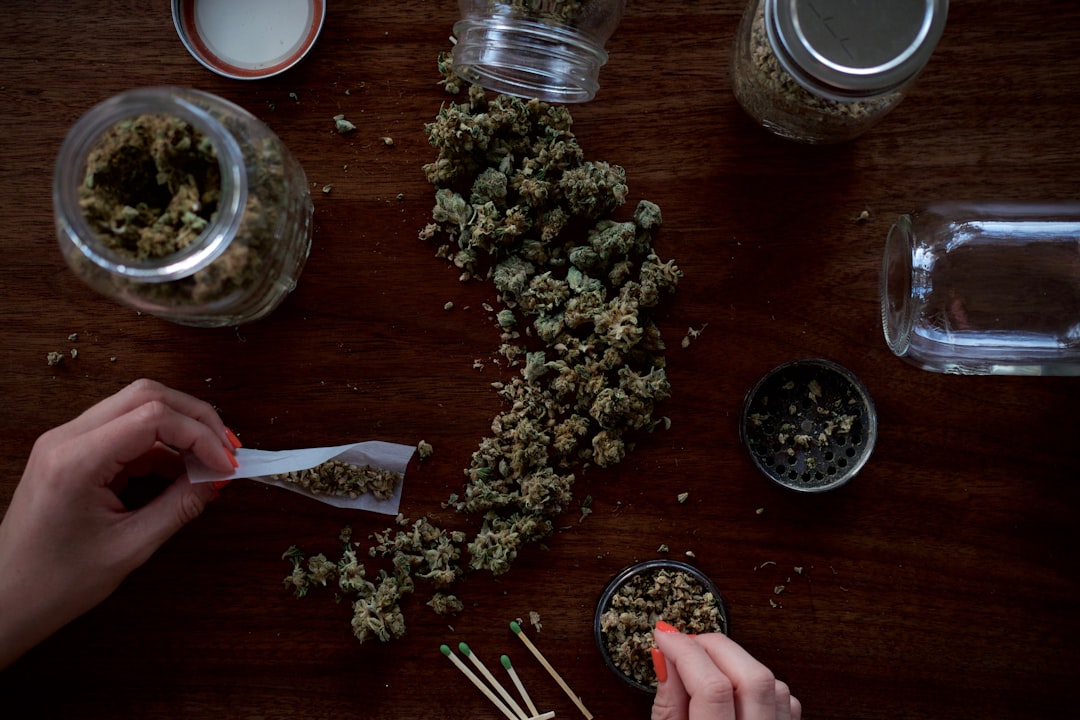
High THC Weed: Who It’s For and When to Go Lower
High THC weed can help some patients, but it’s not always best. Learn THC tolerance, high THC cartridges, and safer options.
Is delta 8 safe? If you’ve ever spotted Delta-8 gummies next to the energy shots at a Florida gas station, you’re not overthinking it. You’re doing the smart thing: pausing before you inhale or ingest something that can affect your mind and body.
At GrowHealthy, we talk with Florida medical cannabis patients every day who want the same thing: a product that feels consistent, is clearly labeled, and comes with proof. With Delta-8, the big concern usually is not the idea of Delta-8 itself. It’s the testing gap that lets some unlicensed hemp products hit shelves without the safety checks you’d expect from patient-grade medication.
Delta-8 THC is a cannabinoid that’s closely related to Delta-9 THC, the compound most people associate with traditional THC effects. Delta-8 does show up naturally in cannabis, but only in tiny amounts. That matters because it explains why most Delta-8 products are not simply “extracted” the way you might imagine.
The U.S. Food and Drug Administration has noted that Delta-8 naturally occurs in very low concentrations, and that Delta-8 products have not been evaluated or approved for safe use. That context is worth keeping in mind if you’re asking is delta 8 safe as part of your wellness routine. You can read the FDA’s consumer guidance in its Delta-8 THC risks and manufacturing concerns update.
Also, Delta-8 is psychoactive. Even if a product is marketed like a “chill hemp treat,” it can still impair coordination and judgment. So it deserves the same respect you’d give any THC product.
When someone asks is delta 8 synthetic, what they usually mean is: “Did this come from a plant the way CBD does, or was it made in a lab?” In the current marketplace, most Delta-8 is produced by converting hemp-derived CBD into Delta-8 through a chemical reaction. Acids and solvents are often part of that process, and the quality of the final oil depends heavily on how carefully it’s done and how well it’s cleaned up afterward.
That’s why “hemp-derived” can be a little slippery. Hemp is a legal definition tied to Delta-9 THC content, not a promise that a product is pure, gentle, or made to medical standards. If you’ve been wondering is hemp derived THC safe, the best answer is: it depends on the manufacturing and the testing, not the marketing.
This is where things get real for patients. In the unlicensed hemp world, you can run into products that have limited oversight, inconsistent third-party lab testing, or no easily verifiable batch results at all. WebMD puts it plainly: because the FDA does not regulate the chemical process used to make Delta-8, these products are not consistently tested for safety or quality. You can see that overview in WebMD’s explanation of how Delta-8 is made and why safety testing varies.
In Florida’s medical cannabis program, you’re used to a more controlled environment. Licensed Medical Marijuana Treatment Centers (MMTCs) operate under state rules around production, documentation, and product handling. It’s not about being fancy. It’s about reducing guesswork.
If you’re trying to figure out whether is delta 8 bad for you, the better question is often, “What else could be in this oil?” When Delta-8 is created through chemical conversion, impurities can show up if the process is rushed, poorly controlled, or not properly purified. On top of that, labels can be inaccurate, meaning your “Delta-8” could contain higher-than-expected Delta-9 THC or other cannabinoids you weren’t planning on.
In a licensed medical cannabis setting, traceability and lab verification are part of the routine. In the unlicensed Delta-8 market, you may not get consistent access to things like:
At GrowHealthy, we believe you shouldn’t have to take anyone’s word for it. You can look up batch-specific lab results using our COA test results search page before you purchase or use a product.
Even when a product is exactly what it claims to be, Delta-8 can still come with side effects. Reported delta 8 side effects include dizziness, sedation, nausea, anxiety, confusion, and impaired coordination. Effects often feel stronger when someone takes too much too fast, or when the label does not reflect what’s in the package.
There’s also a common misconception we hear: “If it feels milder, it must be safer.” Sometimes it’s just milder. Safety depends on clean production and reliable testing. Clinicians have raised concerns about Delta-8’s pharmacological activity, synthetic production methods, and the lack of regulation, summarized in the Association of Cannabinoid Specialists brief on what clinicians need to know about Delta-8 THC.
If you’re a Florida medical cannabis patient, you already have access to a more accountable buying environment than the general retail Delta-8 market. Here’s a simple comparison of what “regulated” typically looks like versus what “unlicensed” can look like.
| What you can verify | Licensed Florida medical cannabis (MMTC) | Unlicensed Delta-8 hemp products |
|---|---|---|
| Batch-specific lab testing (COA) | Expected and standard | May be missing or hard to verify |
| Potency accuracy | Tested by batch | May be inconsistent |
| Contaminant screening (microbials, heavy metals, pesticides) | Part of regulated quality controls | Often not required |
| Traceability and accountability | Tracked through a regulated system | Varies widely by brand and seller |
A lot of people reach for Delta-8 because they want something that feels easier to handle than traditional THC products. We get that. But you don’t need to roll the dice on an untested product to find a comfortable fit.
If you want help choosing a format that matches your day, your tolerance, and your pace, start with our education hub at the GrowHealthy blog. Then, if you want one-on-one guidance, reach out through our GrowHealthy contact page and we’ll help you understand COAs, product types, and options like pickup or delivery.
Delta-8 may feel milder for some people, but that does not automatically make it safer. The biggest safety factor is whether the product is accurately labeled and thoroughly tested for potency and contaminants.
Most retail Delta-8 is made by chemically converting hemp-derived CBD into Delta-8. Delta-8 exists naturally in cannabis, but typically in amounts too small to extract economically.
Commonly reported delta 8 side effects include dizziness, sedation, nausea, anxiety, confusion, and impaired coordination. Side effects can be more likely with higher doses or mislabeled products.
The biggest issue is uncertainty. Without consistent, verifiable testing and clear manufacturing standards, you may not know the true potency or what impurities are present.
“Hemp-derived” describes the legal source plant, not the product’s safety. Hemp-derived THC products are safer when they come with batch-specific third-party testing you can verify and when they’re made under clear quality controls.
When you ask is delta 8 safe, the practical answer is that safety often hinges on what you can verify. Delta-8 is psychoactive, commonly made through chemical conversion, and frequently sold in a market where testing is inconsistent. As a Florida medical cannabis patient, you deserve lab-tested medication with batch-level transparency, not mystery gummies or a vape you have to guess about.
If you want help finding a tested option that fits your comfort level, we’re ready when you are.

High THC weed can help some patients, but it’s not always best. Learn THC tolerance, high THC cartridges, and safer options.

Cannabis topical basics: THC cream vs CBD topical, how they work, and when patients choose topicals for pain without intoxication.
GrowHealthy patient care policy explained: dispensary rules, Florida patient requirements, IDs, safety standards, and smoother visits.