
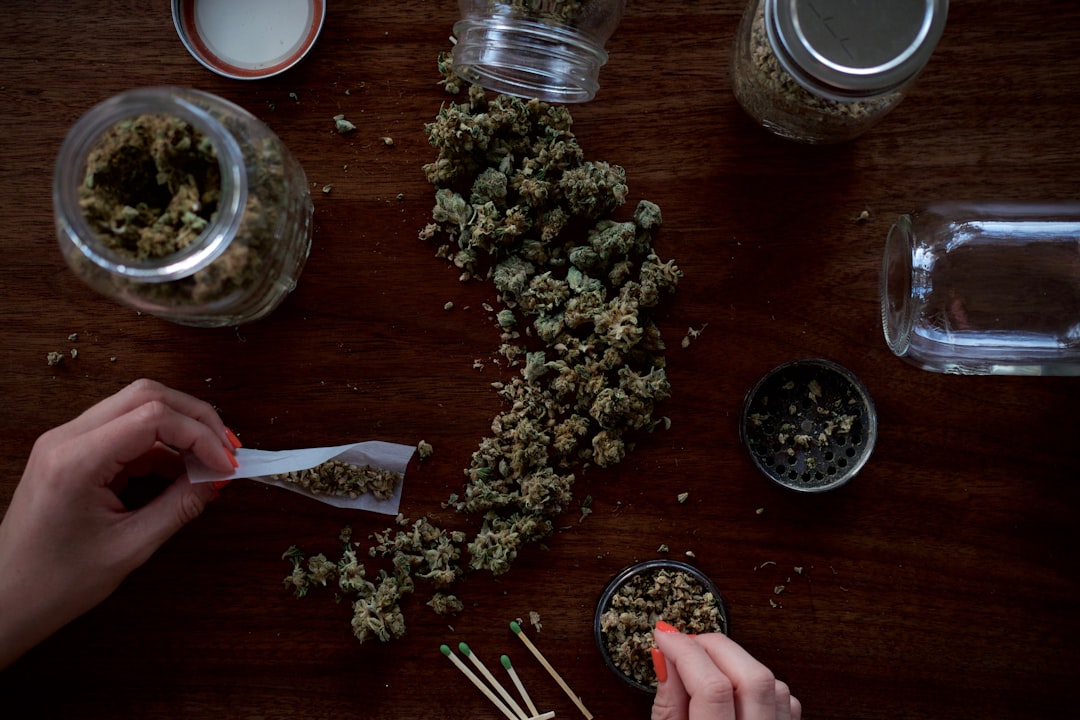
High THC Weed: Who It’s For and When to Go Lower
High THC weed can help some patients, but it’s not always best. Learn THC tolerance, high THC cartridges, and safer options.
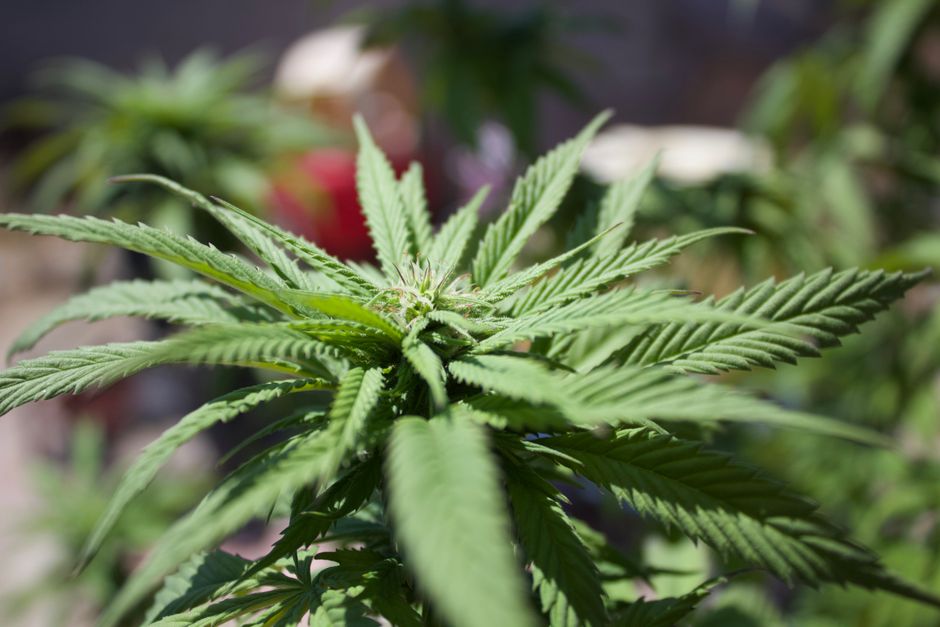
Hemp derived THC edibles can look nearly identical to dispensary edibles, especially when both packages say “10mg.” But in day-to-day use, that number does not always carry the same weight. In Florida’s medical cannabis program, the edible you buy in a licensed dispensary is tied to required lab testing, batch records, and a regulated supply chain. A lot of “hemp gummies” sold online or at corner retailers live in a looser world, where oversight depends heavily on the brand.
So if you have ever tried two “10mg” gummies and wondered why one felt predictable and the other felt like a coin flip, you are not imagining things. Let’s walk through what hemp derived THC actually is, why the 0.3% rule gets misunderstood, and how you can shop in a way that keeps your routine steady.
When you see hemp derived THC on a gummy label, it usually means the THC was sourced from cannabis that meets the federal definition of hemp. Hemp and cannabis are the same species, Cannabis sativa. The difference is legal classification, not a totally different plant.
The 2018 Farm Bill sets hemp apart as cannabis containing 0.3% or less delta-9 THC by dry weight in the plant. And yes, the delta-9 THC molecule is the same delta-9 THC either way. Leafwell breaks this down clearly in its overview of how hemp-derived delta-9 THC works.
If you have asked, “Do hemp gummies have THC, or is it just CBD?” the most accurate answer is: it depends, and you cannot tell from the word “hemp” alone.
“Hemp gummies” is often used as a catch-all marketing phrase. You will run into a few common types:
That last point is where the “10mg is 10mg” assumption starts to break down, because the front-of-bag number might only tell part of the story.
People often ask us: does hemp derived THC make you high? It can, depending on the milligrams per piece, your tolerance, and whether you take it with food. A hemp delta-9 gummy can be formulated to land in the same dose range as a dispensary edible.
So why do two products that both say “10mg” feel different? In our experience talking with patients, it usually comes down to one of three things:
The 0.3% number gets thrown around like it is a potency cap or a safety standard. It is not. It was designed to classify hemp at the farm level, not to tell you what a single gummy will do.
Here is the part that trips people up: the 0.3% limit applies to the finished product by dry weight in many interpretations. That means a heavier gummy can still legally hold a noticeable amount of delta-9 THC per piece. HelloMD lays out the consumer confusion around how hemp-derived product rules are commonly misunderstood.
In plain terms, the math can work out so that a gummy fits a “hemp” definition and still delivers a dispensary-like THC dose. That is how you end up with hemp packages that read like wellness products, while the edible experience says otherwise.
From where we sit, the chemistry conversation is only half the story. The bigger difference is the chain of custody. Who has to prove what is in the package, and what happens if a batch does not meet standards?
| Category | Hemp-derived THC gummies | Dispensary medical cannabis edibles |
|---|---|---|
| Potency on label | Can vary by brand and testing practices | Batch-based testing and state program requirements support consistent labeling |
| Safety screening | Testing may be partial, outdated, or hard to verify | Lab testing is part of the regulated system, with documentation tied to a batch |
| Traceability | Often limited or unclear | Tracked through a regulated supply chain for Florida medical cannabis |
| Age safeguards | Depends on the retailer and sales channel | Dispensed through Florida’s medical cannabis program |
Is hemp derived THC safe? The delta-9 molecule itself is not automatically “riskier” because it came from hemp. The bigger question is whether the product is accurately labeled and properly screened for contaminants.
Public health researchers have raised concerns about gaps in oversight and enforcement across intoxicating hemp products. You can see a detailed discussion of those issues in this peer-reviewed review of hemp-derived cannabinoid regulatory concerns.
For you as a patient, this matters because consistency is part of safety. If you are trying to keep a steady routine, a “10mg” you cannot count on makes it harder to plan your day, your evening, and your next dose.
If you are buying edibles, your best friend is predictability: consistent dosing, clear labeling, and enough time to let the edible fully come on before you consider taking more. Oral THC can take longer than expected, and the peak can show up after you think it is done.
In Florida’s medical program, you also have the advantage of a regulated framework. The Office of Medical Marijuana Use explains the program standards and requirements on its official OMMU Rules & Regulations page.
When you shop with us, we encourage you to keep it simple:
If you want help thinking through timing and what to expect, our blog post Inhalation vs Edibles: A Quick Cannabis Decision Tree is a helpful refresher.
Delta-9 THC is the same molecule either way. The difference is the standards around testing, labeling, and traceability in a regulated medical cannabis system.
Some do and some do not. “Hemp gummies” can mean CBD-only, or it can mean a product formulated with delta-9 THC and other cannabinoids. You cannot assume it is non-intoxicating just because it says “hemp.”
It can, especially at higher milligram amounts or if you are newer to THC. Your experience can also shift based on tolerance, food intake, and personal sensitivity.
The key issue is verification. Look for recent, complete third-party lab results and clear cannabinoid listings. If you cannot confirm what is in it, it is harder to dose responsibly.
The most common reasons are inaccurate labeling, uneven manufacturing, or added cannabinoids that change the effect profile. In a dispensary setting, the goal is that your labeled dose matches what you actually consume.
The big takeaway is simple: hemp derived THC and dispensary THC can share the same chemistry, but they do not always share the same standards. If you rely on edibles for steady, repeatable results, you deserve a dose you can trust, not just a number printed on the front of a bag.
If you want help choosing a regulated edible format that fits your routine, reach out through GrowHealthy customer support. We will talk it through with you and help you shop with confidence.

High THC weed can help some patients, but it’s not always best. Learn THC tolerance, high THC cartridges, and safer options.

Cannabis topical basics: THC cream vs CBD topical, how they work, and when patients choose topicals for pain without intoxication.
GrowHealthy patient care policy explained: dispensary rules, Florida patient requirements, IDs, safety standards, and smoother visits.