
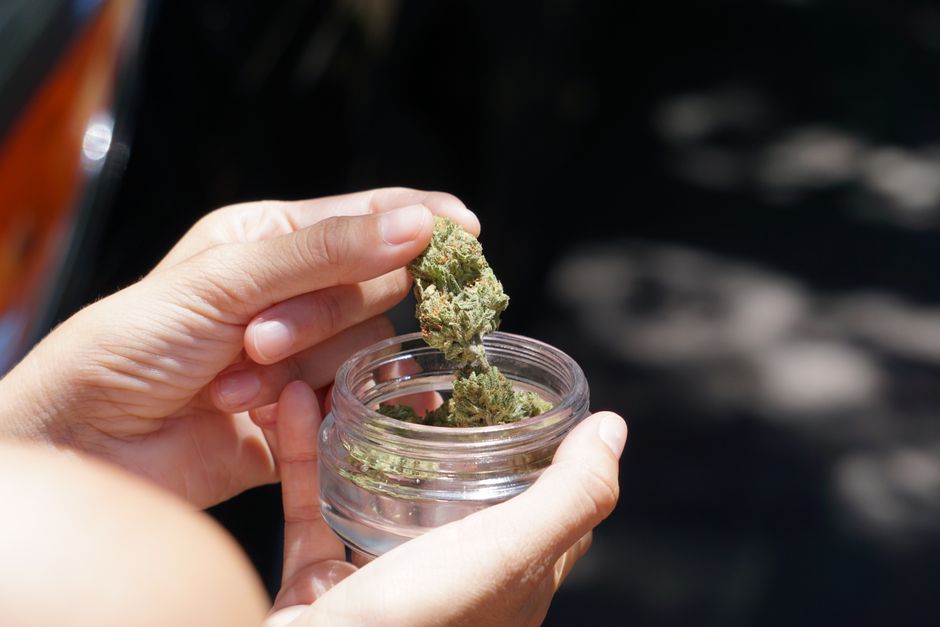
Florida Medical Marijuana Laws: Where You Can Use It
Florida medical marijuana laws explained: where you can use it, public-place limits, vehicle rules, and workplace restrictions.
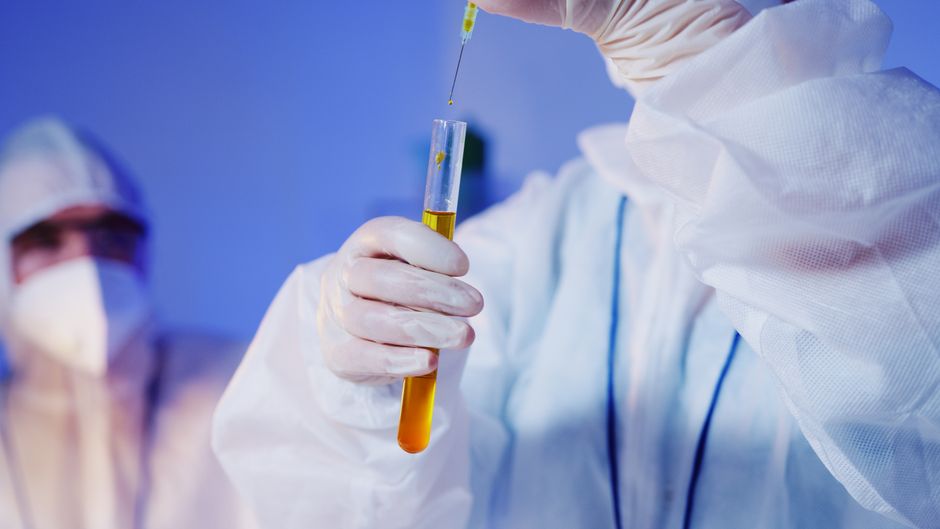
Florida medical marijuana workplace rules can get confusing fast, especially when you are doing your best to manage symptoms and keep your work life steady. You might have your Florida State Issued Medical Card, follow your physician’s guidance, and still wonder what happens if a job offer depends on a screening or your workplace has a strict drug policy. In Florida, the tough truth is this: your patient status makes medical cannabis legal for you to access, but it usually does not give you much protection if an employer takes action.
We are going to walk through what the law actually says, why employer policies carry so much weight, and what you can do to reduce risk. This is educational info, not legal advice. If you want to read the exact language yourself, we will link you to the source.
Florida’s medical cannabis program is built around Florida Statute 381.986. The employment section is pretty direct: the statute does not require an employer to accommodate medical cannabis use in the workplace, it does not require an employer to allow you to work while under the influence, and it does not create a right to sue an employer for taking action based on medical cannabis use. You can review the full text in Florida Statute 381.986 (medical cannabis).
So even if you are a qualified patient, a lot of Florida medical marijuana workplace questions end up coming down to your employer’s written policy and the kind of work you do.
In day-to-day life, employers in Florida often have wide discretion in how they handle THC in hiring and on the job. Many companies simply keep the same approach they had before medical cannabis was legal for patients.
What does that look like in real terms? It often shows up in a few predictable moments:
Even if you never use at work, a policy can still treat a positive THC result as a problem. That gap between “I am following my plan at home” and “I can still test positive later” is where many patients get blindsided.
When a company calls itself “drug-free,” that can mean different things, but the fine print is what matters. Some employers test only after incidents. Others test before hiring, randomly, or when there is suspicion. If THC is on the panel, your Florida State Issued Medical Card may not change the outcome.
| Situation | What many Florida employers do | What that can mean for you |
|---|---|---|
| Pre-employment screening | Include THC on the test panel | An offer may be delayed or rescinded after a positive result |
| Random testing | Test to enforce a drug-free policy | Off-hours use can still create job risk |
| Post-incident testing | Test after an accident, injury, or safety event | A positive result can complicate employment decisions and benefits |
| Reasonable suspicion | Test if impairment is suspected | Higher stakes in safety-sensitive roles |
If you are ever unsure what your workplace does, your employee handbook and HR policy documents are usually the cleanest starting point. It is not fun reading, but it is better than guessing.
Florida law is very clear about on-site use. An employer does not have to allow medical cannabis use at work, and does not have to allow you to work while under the influence.
The tricky part is off-site use. That is when you use medical cannabis at home, on your own time, and a test later comes back positive because THC metabolites can stay in your system. Florida Statute 381.986 does not clearly guarantee that an employer must treat “not impaired at work” differently from “positive test.”
If you want a plain-language view of Florida’s official framework, the state’s program rules and regulatory context are summarized on the OMMU Rules & Regulations page. It is not an employment handbook, but it helps clarify what Florida does and does not promise patients under the program.
A lot of workplace testing is not designed to answer the question you actually care about, which is, “Am I impaired right now?” Many tests look for THC metabolites, which can remain detectable after effects have worn off. That is why a patient can feel clear-headed at work and still have a positive result on a urine test.
Some jobs follow federal rules that do not bend for state medical cannabis programs. This is common in transportation roles, federal employment, defense-related work, and positions tied to federal contracts. In those settings, an employer may be required to follow federal drug-testing standards and policies that treat cannabis as prohibited.
If you are not sure whether federal rules touch your job, check your offer letter, employee handbook, or HR policy first. If your role is labeled “safety-sensitive,” that is also a sign you should read the testing section closely.
We cannot tell you what to do for your job, and we cannot give legal advice. What we can do is share a few steps that help you stay informed and avoid avoidable surprises.
And if you want support on the medical cannabis side, our team is always here for patient education around formats, dosing basics, and how to shop with consistency in mind. You can browse more education in the GrowHealthy blog or reach our support team through GrowHealthy customer support.
In most cases, no. Florida Statute 381.986 does not require employers to accommodate medical cannabis use at work and does not create a right to sue for wrongful termination or discrimination based on medical cannabis use.
Yes, many employers can, depending on the role and their written policy. In practice, a positive test can lead to a rescinded offer even if you are a qualified patient.
On-site use is clearly not protected. Off-site use is where the gray area lives, because a test can stay positive after effects have worn off, and Florida law does not clearly require employers to treat that differently.
Usually not. Many tests detect THC metabolites rather than current impairment, which is one reason results can feel disconnected from how you feel and function at work.
Start with your employee handbook or HR. If you need legal interpretation, consider speaking with a Florida employment attorney. If your questions are about product formats, dosing basics, or reading lab testing, you can contact GrowHealthy customer support.
Florida medical marijuana workplace rights are limited under Florida Statute 381.986, so your best protection is staying informed. Know your employer’s policy, understand that many tests look for past use rather than impairment, and plan your medical cannabis routine so you are never under the influence during work hours. When you want patient-first guidance on formats, dosing, and consistent shopping, we are here for you at GrowHealthy.

Florida medical marijuana laws explained: where you can use it, public-place limits, vehicle rules, and workplace restrictions.
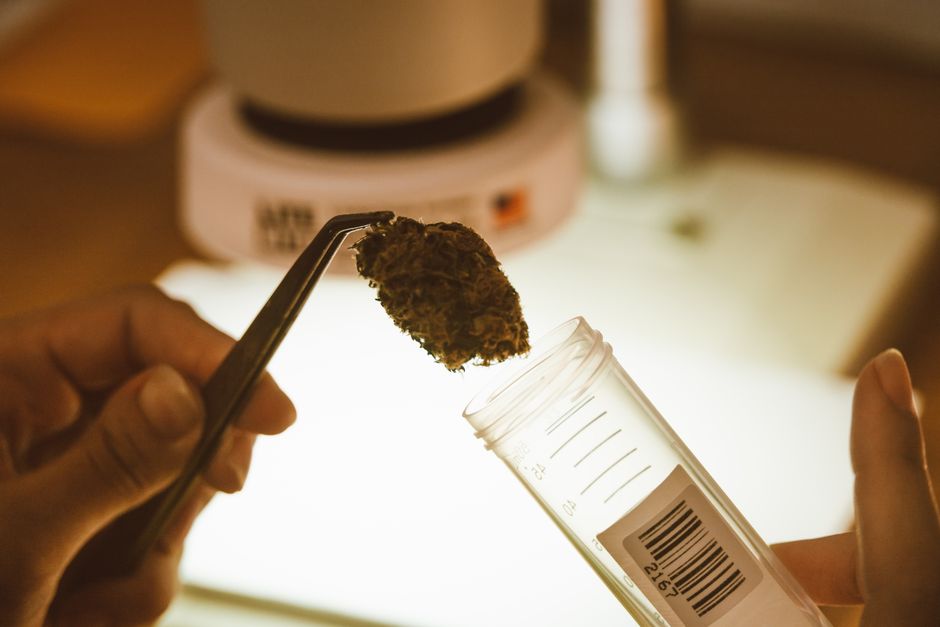
Cannabis lab testing checks pesticides, heavy metals, microbials, residual solvents, and mycotoxins to keep patients safe.
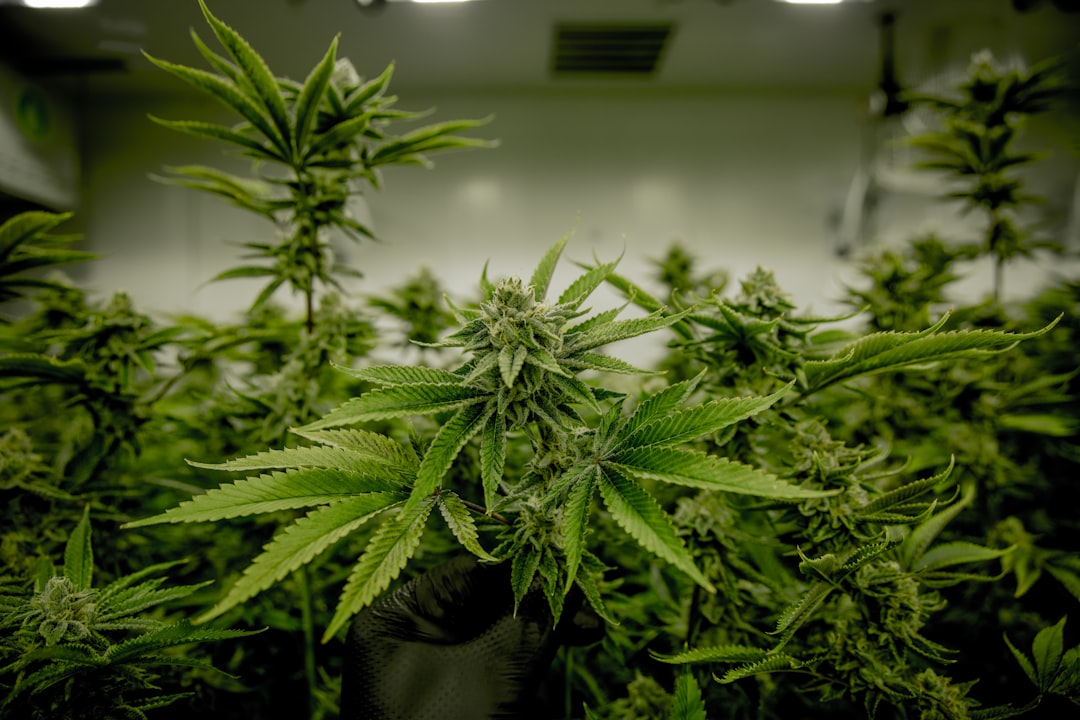
Florida MMJ doctor vs dispensary explained: who certifies, who dispenses, and which questions to ask in Florida’s MMUR system.