
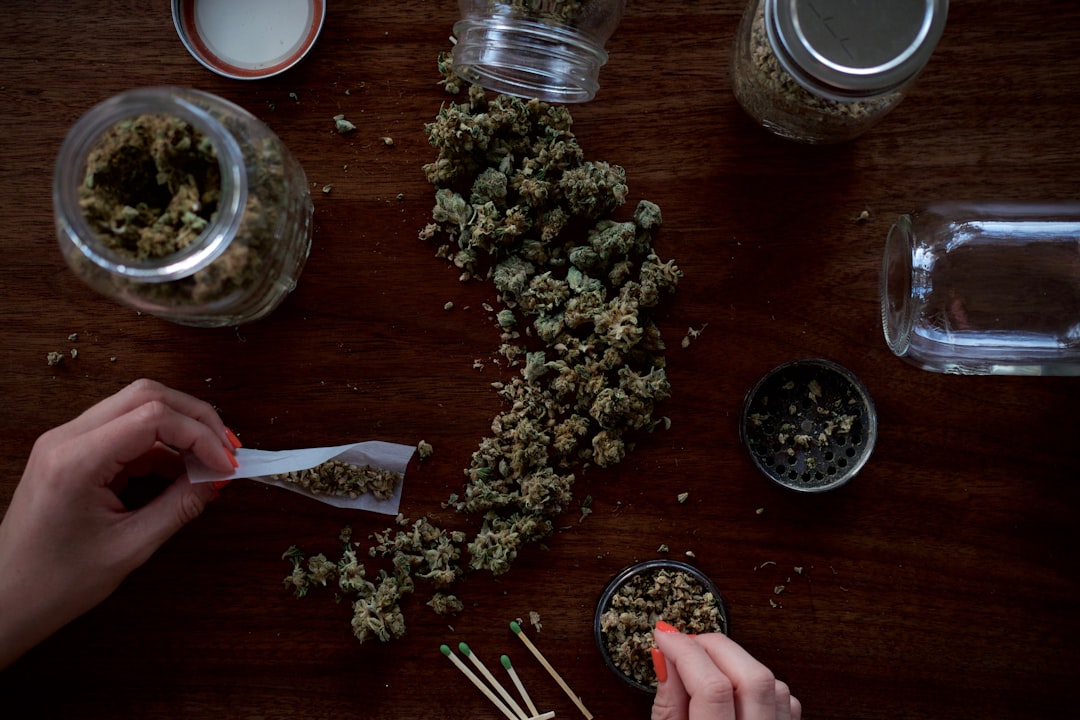
High THC Weed: Who It’s For and When to Go Lower
High THC weed can help some patients, but it’s not always best. Learn THC tolerance, high THC cartridges, and safer options.
Florida medical marijuana FAQ time: if you’re brand new to the program, you probably have a dozen questions before your appointment is even on the calendar. That’s normal. Florida’s setup runs through a state registry, your physician certification has its own timeline, and your purchase limits move on a rolling schedule. Once you know those few “gotchas,” the rest feels a lot more manageable.
We’ll keep this simple, practical, and written the way you actually talk. You’ll get the basics on the OMMU, the registry, card timing, renewals, purchase limits, caregivers, privacy, and what to expect when you shop with us at GrowHealthy.
1) What is the OMMU?
The Office of Medical Marijuana Use (OMMU) is the Florida Department of Health office that oversees the state program. They set rules, manage the patient registry, and regulate what licensed dispensaries can do. When you want the official word on program rules, rely on the official OMMU rules and regulations page.
2) What is the Medical Marijuana Use Registry (MMUR)?
The MMUR is the online account where your physician certification is recorded and your Florida State Issued Medical Card application is handled. It is also where the state tracks your purchase limits by route, like smokable flower, inhalation, oral, topical, and more.
3) Is the OMMU the same thing as GrowHealthy?
No. OMMU is the state program. GrowHealthy is a licensed Medical Marijuana Treatment Center (MMTC). That means we cultivate, process, and dispense medical cannabis while following OMMU rules.
4) Where do you check your status and current limits?
Your MMUR account is the source of truth for your active status and what you have available to purchase today. If you are confused by what you see in the registry, your physician office can explain your certification, and our team can walk you through how dispensations work when you check out.
5) Who can get a Florida State Issued Medical Card?
In general, you need to be a Florida resident, either permanent or seasonal, have a qualifying medical condition, and be evaluated by a physician who is registered with OMMU. Your physician decides whether medical cannabis is appropriate based on your health history and needs.
6) What medical conditions qualify in Florida?
Florida law lists conditions such as cancer, epilepsy, glaucoma, HIV/AIDS, PTSD, ALS, Crohn’s disease, Parkinson’s disease, multiple sclerosis, and chronic nonmalignant pain, plus conditions of the same kind or class. Your physician is the one who connects the dots for your specific case.
7) Can you qualify if you are under 18?
Minors can qualify, but it is more structured and requires a designated caregiver. Your physician will explain what documentation and steps apply.
8) Do out-of-state medical cannabis cards work in Florida?
No. Florida does not accept out-of-state cards. To purchase from Florida MMTCs, you need a Florida physician certification and a Florida State Issued Medical Card.
9) Can seasonal residents qualify?
Yes. Seasonal residents can qualify if they meet Florida’s seasonal residency requirements and provide acceptable proof of residency. If you are a snowbird and want a plain-English checklist, see our guide to Florida medical marijuana seasonal resident card rules.
10) What are the basic steps to apply?
Most new patients follow this path:
If you like seeing it laid out step-by-step, use the Florida medical marijuana card process guide as a reference.
11) How long does approval usually take?
On average, many patients are approved in 5 to 7 business days. On rare occasions, it can take 2 to 3 weeks. The biggest delays tend to come from mismatched info or unclear documentation.
12) How much does the Florida State Issued Medical Card cost?
The state application fee is $75, and the card is valid for one year. Your physician visit is a separate cost set by that office.
13) Can you shop before the physical card arrives?
Often, yes. Once your physician recommendation is in the system and your registry status is active, you can typically purchase using your approval confirmation while you wait on the physical card. If you are ever unsure what you can buy on a given day, just ask at check-in and we will confirm what is available under your current certification.
14) What should you bring to your doctor visit?
Clinics vary, but you will usually want:
15) How often do you renew the card vs renew the physician certification?
This is where a lot of new patients get tripped up. Your Florida State Issued Medical Card renews once per year. Your physician certification renews every 210 days, which is about seven months. So in most cases, you will see your physician twice during one card year.
16) When should you start the renewal process?
Give yourself breathing room. A good habit is to check your registry and start the card renewal about 45 days before it expires. If you wait until the last minute, a small paperwork snag can turn into a gap in access.
17) What happens if your card expires or your physician certification lapses?
If the card expires, you cannot legally purchase until the renewal is processed. If your physician certification lapses, your purchasing can pause even if your physical card is still valid. Track both dates.
18) What if you lose your card or need to update your info?
Address changes and replacement cards can involve additional steps and fees. Update your registry profile promptly so your information stays consistent across the system.
19) How much smokable flower can you buy?
Florida tracks smokable flower as a rolling supply. Under the baseline framework, many patients see a common cap of 2.5 ounces per 35-day period, unless a physician authorizes more for eligible patients. Your exact number is whatever your physician has entered in the registry.
20) How much THC can you buy in vapes, edibles, tinctures, and concentrates?
Non-smokable routes are tracked as a rolling supply too, and Florida also applies an aggregate THC cap across those routes. Your physician sets the amounts by route, so your limits might look very different from a friend’s, even if you started the program around the same time.
21) Can your physician increase your limits?
Your physician can adjust your recommendation within program rules based on medical need and your treatment plan. If you keep running out too early, that is a physician conversation first. We are always happy to help you understand what your current limits mean at the register, but we cannot change them.
22) Can you grow your own medical cannabis in Florida?
No. Home cultivation is illegal in Florida. Medical cannabis must be purchased from a licensed MMTC.
23) Is your patient status private?
Your registry information is treated like health information. In day-to-day life, you generally control who has access. If you ever feel unsure about what is shared and with whom, use the state’s guidance as your reference point.
24) Can your employer take action for a positive test?
Florida does not offer broad employment protections for medical cannabis patients, and many employers keep drug-free workplace policies. If your job includes testing, safety-sensitive work, or federal requirements, it is smart to review your workplace policy before you medicate.
25) Can you travel with Florida medical cannabis?
Do not cross state lines with medical cannabis, even if you are a registered Florida patient. Laws change as soon as you leave Florida, and federal rules apply. Keep your medication in Florida, store it responsibly, and follow your physician guidance.
Your first visit should not feel like a pop quiz. You check in with your Florida State Issued Medical Card and a valid photo ID, then we confirm what you are certified to purchase. From there, we help you match a format to your preferences, like:
We are also big on transparency. You can verify lab testing details before you buy using our COA test results lookup.
If you are watching your budget, you will see two different types of savings at GrowHealthy. Specials are rotating deals, and Discounts are ongoing programs like first-time patient, senior, veteran, and loyalty.
If getting to a location is tough, delivery can take a lot off your plate. GrowHealthy offers statewide delivery with limited exceptions. Delivery is free with a $75 minimum purchase. To confirm your area and the latest policy details, use our Florida medical cannabis delivery service information page.
| Question | Answer |
|---|---|
| Do you need a Florida driver’s license to apply? | Not always. Many permanent residents use a Florida driver’s license or Florida ID. Seasonal residents often qualify with other approved documents. |
| Can someone pick up your order for you? | Only if they are an approved caregiver in the OMMU system or otherwise permitted under program rules. Most adult patients need to be present with their own ID and card. |
| Do you have to buy flower? | No. You can use non-smokable options if that matches your physician certification and your preferences. |
| Is higher THC always better? | No. Many patients do better with the right dose, timing, and a consistent lab-tested profile, not the biggest number on the label. |
| What should you do if you feel overwhelmed on your first visit? | Keep it simple. Start with one product in a format you feel comfortable using, then adjust gradually with your physician guidance. |
| What is the easiest way to get help from GrowHealthy? | Use our GrowHealthy contact page and tell us what you are trying to figure out, like shopping, delivery, COAs, or first-visit basics. |
Once you get the hang of the OMMU, the MMUR, and your two key timelines, your Florida routine gets a lot simpler. If you are stuck on a registry question, shopping for a first product, or planning delivery, reach out to GrowHealthy. We will help you stay within your certification, understand what you are buying, and feel comfortable with your next step.

High THC weed can help some patients, but it’s not always best. Learn THC tolerance, high THC cartridges, and safer options.

Cannabis topical basics: THC cream vs CBD topical, how they work, and when patients choose topicals for pain without intoxication.
GrowHealthy patient care policy explained: dispensary rules, Florida patient requirements, IDs, safety standards, and smoother visits.