What a Florida medical marijuana caregiver actually does
A Florida medical marijuana caregiver is an adult who is legally allowed to purchase, possess, and help administer medical cannabis for one specific qualified patient. In real life, that often means you are the person who handles dispensary runs, keeps products organized, and helps your patient stay consistent with what their physician ordered.
Caregivers are common when the patient is a minor, an older adult, or someone with physical or cognitive limitations. But even if your patient is fully capable most days, having you as a backup can keep their plan on track when life gets messy.
If you want Florida’s plain, official language on what caregivers can and cannot do, use OMMU’s caregiver overview at Know the Facts MMJ: Caregivers.
Florida medical marijuana caregiver qualifications (who can apply)
Florida does not treat caregiving as a casual add-on. Before you can be registered, you have to meet specific eligibility rules. In general, you need to:
- Be 21 or older
- Be a Florida resident
- Not be a qualified patient in Florida’s program at the same time
- Agree in writing to help the patient with medical cannabis use
- Usually serve one patient unless OMMU approves an exception
- Avoid disqualifying drug-related convictions that can block approval
One thing that trips people up is the relationship category. Florida draws a line between close relatives and non-close relatives, and that difference can change what screening steps you have to complete. More on that below.
Caregiver application Florida MMUR steps (what to do, in order)
The caregiver application Florida MMUR process starts with the patient’s physician, not with you. That is important, because many people waste time looking for a “start application” button that will not work until the physician enters your details.
- The physician adds you in the MMUR. Your patient’s qualified, state-licensed physician creates the caregiver link in the registry.
- You get an email to access the registry. MMUR sends login instructions to the email address the physician entered.
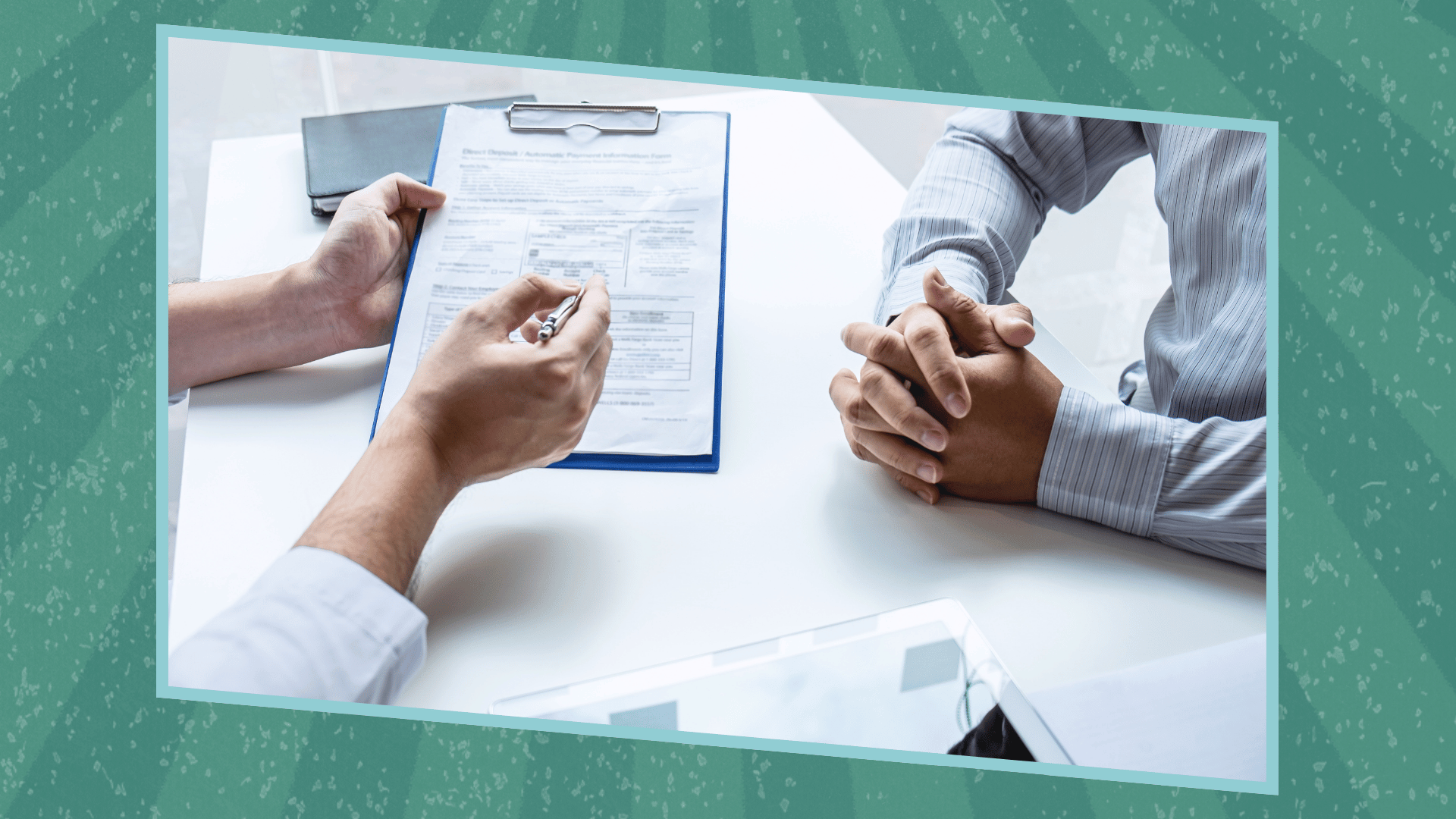
- You complete your caregiver profile. You will confirm details, upload required documents, and review the attestations.
- You complete any extra screening requirements if prompted. This is where relationship status can matter.
- You submit and pay the state fee. The state fee for a caregiver ID card is $75.
- You wait for approval and receive your caregiver ID card. Once it is active, you can purchase for your patient at a licensed Medical Marijuana Treatment Center.
If you like seeing the process laid out with extra practical detail, you can cross-check the general flow with this educational overview from CannaMD at How to Apply for a Caregiver Medical Marijuana Card in Florida.
Documents, fees, and small details that slow people down
Most delays come from simple stuff, not complicated legal issues. When you sit down to finish your MMUR profile, have your documents ready and double-check your spelling and numbers before you hit submit.
- Fee: $75 for the caregiver ID card application
- Identification: A valid government-issued photo ID is typically required for verification and for purchases
- Residency: Florida residency documentation may be required based on your situation and MMUR prompts
- Email accuracy: MMUR login emails go to the address on file, so typos can turn into days of waiting
For the most current, official program requirements and regulations, use OMMU’s rules page at Know the Facts MMJ: Rules and Regulations.
Florida medical marijuana caregiver screening: close relative vs. non-close relative
Florida updated caregiver screening requirements in 2023, and this is where people get surprised. If you are not considered a close relative of the patient, you may be required to complete a Level 2 background screening through an approved Livescan provider as part of your approval.
If you are a close relative, you may be able to use a Close Relative Acknowledgment instead of the Level 2 screening. The MMUR prompts and your patient’s physician office will usually guide you to the right path, but it helps to ask early so you are not scrambling after you have already submitted.
Rules you follow after approval (the day-to-day caregiver part)
Once you are approved, your caregiver ID card is not just a formality. It ties you to one patient and it sets clear boundaries around what you can do.
- You can only purchase and possess medical cannabis for your linked patient. The products are not for you.
- Bring the right IDs when you shop. You will typically need your active caregiver ID card plus a government-issued photo ID.
- Stay within the patient’s active orders. The MMUR tracks allotments and routes, so dispensaries have to follow what is currently open and available.
- Do not assume you can add a second patient. Florida generally limits caregivers to one patient unless OMMU approves an exception.
- Renew on time. Caregiver cards are renewed annually, and if your card lapses, you cannot purchase until it is active again.
When you want quick answers to common scenarios, such as replacing a card or updating information, bookmark OMMU’s FAQ at Know the Facts MMJ: Caregiver FAQ.
How to make dispensary visits simpler for you and your patient
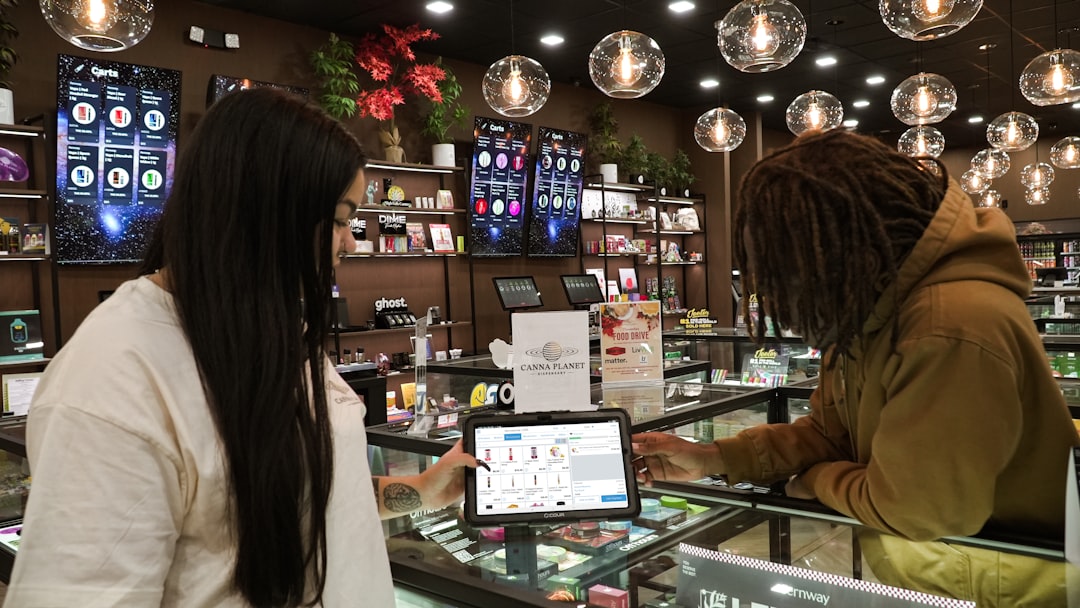
The shopping part gets easier when you treat it like any other care routine. Keep notes on what your patient prefers, what fits their schedule, and what they want to avoid. If you are helping with a parent’s plan, a simple list on your phone can save a lot of back-and-forth at pickup.
Before you head out, you can check what is in stock by browsing GrowHealthy’s online menu. It is a practical way to see formats like flower, vapes, concentrates, edibles, tinctures, topicals, and RSO, then decide what makes sense for your patient’s current physician orders.
If getting to a store is tough, delivery can take pressure off your week. You can review details and availability on GrowHealthy delivery in Florida. Delivery is free with a $75 minimum purchase and is available statewide with limited exceptions.
Common caregiver mistakes you can avoid
Most issues are preventable. Here are the ones we see most often, along with the simple fix.
- Trying to apply before the physician adds you. Fix: ask the physician office to enter you in MMUR first, then watch for the email.
- Assuming you can be both a patient and a caregiver. Fix: confirm your status before applying, since Florida generally does not allow both at once.
- Not accounting for screening time. Fix: if you are not a close relative, ask about Level 2 screening early so it does not stall your approval.
- Letting your renewal sneak up on you. Fix: set a calendar reminder a few weeks ahead so you have time to respond to MMUR requests.
- Picking products based only on THC numbers. Fix: talk with the dispensary team about your patient’s preferences and start conservatively, following the physician’s guidance.
Where caregiver setup fits into the Florida State Issued Medical Card process
Caregiver registration often happens alongside the patient’s application for a Florida State Issued Medical Card. If you are trying to understand the full timeline and what the patient needs to do, this legal overview is a helpful reference: How to Get a Medical Marijuana Card in Florida. On average, many patients see approval in about 5 to 7 business days, though it can take longer in rare cases.
Once your patient is shopping, it is also worth checking savings options. You can see ongoing offers and new-patient savings at Learn About Our Discounts | GrowHealthy.
FAQ: Florida medical marijuana caregiver questions
How long does it take to get a caregiver card in Florida?
It depends on how quickly your documents are accepted and whether you have extra screening steps. Online submissions are usually faster. If you are a non-close relative and need Level 2 screening, plan for additional time.
Can you be a Florida medical marijuana caregiver for more than one patient?
Usually no. Florida generally limits you to one patient unless OMMU approves an exception. If your household is caring for more than one qualified patient, ask the physician office what options exist before you try to add another patient.
Can you shop without the patient present?
Yes. That is a core purpose of the caregiver role. As long as you are approved and the purchase fits the patient’s active physician orders and allotments in MMUR, you can buy on their behalf.
Can you use the patient’s medical cannabis?
No. You can purchase, possess, and help administer the patient’s medical cannabis, but you cannot consume it.
What should you bring to the dispensary as a caregiver?
Bring your active caregiver ID card and a government-issued photo ID. It also helps to have the patient’s name and date of birth handy in case the dispensary team needs to confirm the MMUR profile.
What if you get locked out of the MMUR portal?
Start with MMUR’s password reset and account recovery tools, and make sure your email inbox filters are not blocking state messages. If you are still stuck, the physician office that linked you can often help confirm what email is on file.
Conclusion: handle Florida medical marijuana caregiver responsibilities with confidence
Being a Florida medical marijuana caregiver is equal parts paperwork and real-world support. If you keep the order of operations straight, physician first, then MMUR profile, then fee and any screening, you can move through the process with a lot less stress. After approval, stay within the patient’s orders, keep your renewal on your calendar, and lean on the dispensary team when you need help understanding formats or planning a smoother pickup or delivery.
If you want a no-pressure conversation about shopping options, product formats, or how delivery works for your area, the GrowHealthy team is here to help you make informed, responsible choices for your patient.