
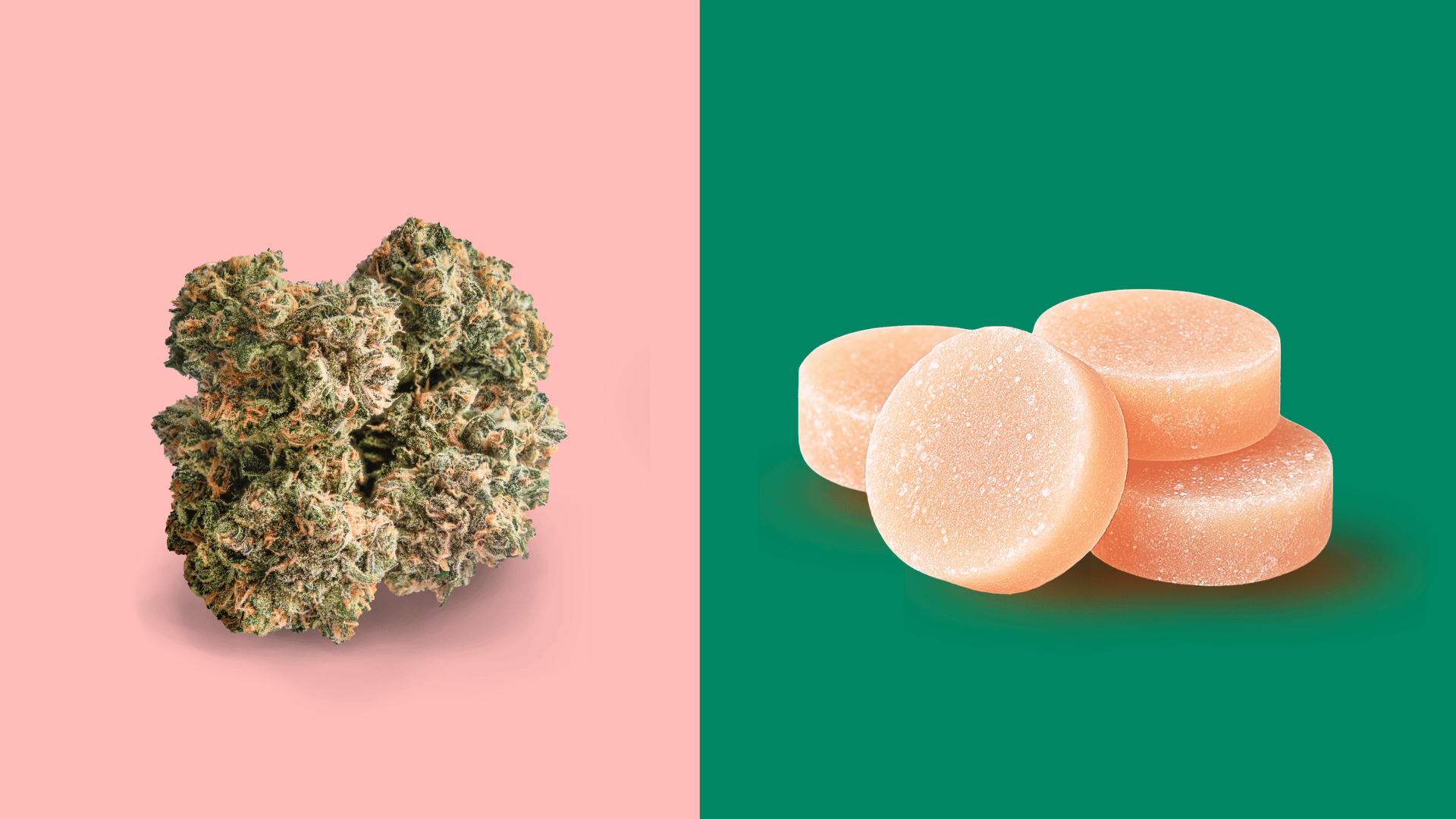
Inhalation vs Edibles: A Quick Cannabis Decision Tree
Inhalation vs edibles made simple: use this quick decision tree to choose flower, vape, tincture, or edible based on onset, duration, and dosing.
...

Cannabis tolerance is the main reason the exact same dose can feel steady one night and surprisingly different the next. If you’ve ever thought, “I didn’t change anything, so why does this feel stronger or weaker?”, you’re not imagining it. Your body adapts, your routine shifts, and even lab-tested medical cannabis products can vary a bit from batch to batch. Once you know what to watch for, you can stop guessing and start dosing with more intention.
This guide breaks down what cannabis tolerance is, what makes your experience change day to day (food, stress, sleep, hydration), where product variability comes in, and a handful of practical dosing habits you can actually stick with as a GrowHealthy patient in Florida.
THC works largely through your endocannabinoid system, including CB1 receptors in the brain. When THC shows up often, those receptors can become less responsive. That’s cannabis tolerance in plain language: the amount that used to feel “right” may start to feel lighter over time.
If you like a simple science-backed explanation, the educational overview on Weedmaps walks through how repeated exposure can lead to reduced receptor sensitivity and why taking time off may help your system “reset” toward baseline.
One thing that trips people up is that tolerance doesn’t always move in a straight line. Some effects fade faster than others. You might still notice certain benefits while the noticeable intensity changes. That’s normal, and it’s also why your friend can love a product you feel lukewarm about.
In real life, tolerance usually climbs faster when you’re using higher doses more often. Daily THC use can nudge your baseline upward, and it’s easy to fall into the loop of adding “just a little more” to try to recreate an older experience.
Patient education resources like Leafwell summarize a pattern many patients recognize: frequent, high-THC routines tend to build tolerance quicker, while smaller, more consistent dosing can help slow the creep.
Also, your product format changes how easy it is to overdo it without meaning to:
If you want a quick timing refresher before you adjust anything, GrowHealthy keeps a straightforward guide on dosing info that compares onset and duration across common formats.
Sometimes the shift has less to do with cannabis tolerance and more to do with your stomach. THC is fat-soluble, so what you eat, and when you eat, can change absorption, especially with edibles and other swallowable products.
Think of it like this: if you take the same edible on an empty stomach one day and after dinner the next, you may be working with the same milligrams but a different ride. If you’re trying to find your ideal dose, you’ll get clearer answers by keeping your routine consistent for a week instead of changing everything at once.
Your mindset and your day matter. If you’re tense, overwhelmed, or running on low sleep, you can be more sensitive to sensations in general. That can make a familiar dose feel “off,” even if you didn’t change the product.
Educators often call this “set and setting,” and it’s not just a buzz phrase. The guide from Stink Blossom puts it in everyday terms: your environment and headspace can heavily shape how cannabis feels, especially if you’re already dealing with anxiety or sleep disruption.
Two easy-to-miss basics also play a role:
If you’re testing a new product or a new serving size, do it on a day you can keep things simple. A calm setting and a predictable routine give you cleaner feedback.
Even with lab-tested products, you can still feel differences from batch to batch. Flower can vary by harvest. Concentrates can vary by starting material. And terpene profiles can shift the overall experience, even if THC looks similar on the label.
That’s why checking your COA (Certificate of Analysis) is such a useful habit when you’re chasing consistency. GrowHealthy makes it easy to look up lab results on the test results page, so you can compare batches and see what lines up with your best experiences.
If you’re trying to dial in dosing, it also helps to limit your variables. Pick one format and stick with it long enough to learn it. For example, if you’re working on edible dosing, stay in that lane for a bit and browse within the same category like GrowHealthy Edibles so you’re not comparing apples to oranges.
You don’t need a complicated system to get more consistent results. You need a repeatable one. These are simple habits that help you slow tolerance creep and avoid accidental overdoing it.
If you’re looking to make your routine more affordable while you experiment, check the current savings options on GrowHealthy discounts.
How fast can cannabis tolerance build?
It depends on your dose, how often you use THC, and your format. Many patients notice changes after weeks of daily use. Higher-dose routines can shift faster, while lower and more consistent dosing may build tolerance more slowly.
Is cannabis tolerance permanent?
Cannabis tolerance is generally considered reversible for many people, though the timeline varies. If you’re thinking about reducing or taking a break, plan around your symptom needs and talk with your medical professional for personalized guidance.
Why does the same edible feel stronger sometimes?
Food timing, meal composition, sleep, hydration, and stress can all change your experience with the same milligram amount. Even your schedule can matter. A dose taken after dinner on a calm night may land differently than the same dose taken on a stressful afternoon.
What’s a good way to lower cannabis tolerance without stopping completely?
Many patients experiment with smaller doses, fewer sessions per day or week, and products with lower THC or more balanced cannabinoid profiles. The key is to change one thing at a time so you can tell what helped.
How do you make dosing more consistent?
Pick one format, keep your timing and meals similar, measure carefully, and check the COA so you can compare batches. A quick note on your phone after each session can save you a lot of frustration later.
Where can you verify Florida medical cannabis rules?
For the official rules and regulations tied to the Office of Medical Marijuana Use (OMMU) and the Medical Marijuana Use Registry (MMUR), use the state resource at Know The Facts MMJ: Rules and Regulations.
If your usual routine suddenly feels different, it doesn’t mean you did anything wrong. Cannabis tolerance is real, and so are everyday variables like food, stress, sleep, hydration, and batch differences.
Your best move is a steady one: keep your routine consistent, adjust in small steps, and use lab-tested products you can verify. If you want help choosing a format that fits your day-to-day life, explore GrowHealthy education resources, check your COAs, and reach out to your medical professional for guidance tailored to you.