
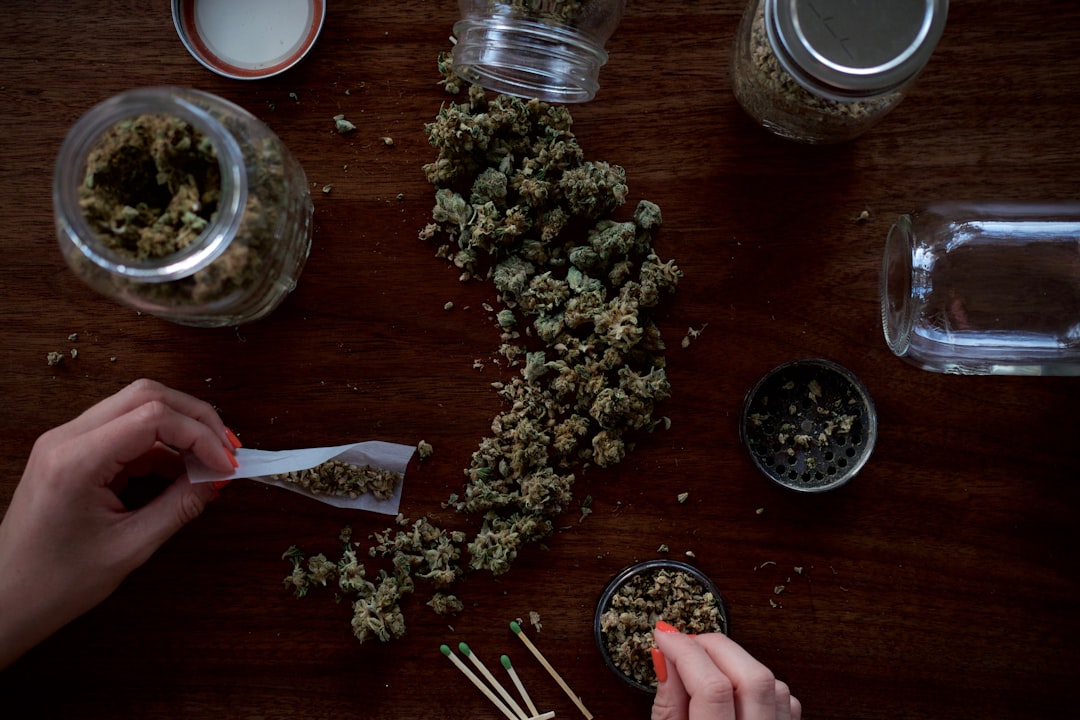
High THC Weed: Who It’s For and When to Go Lower
High THC weed can help some patients, but it’s not always best. Learn THC tolerance, high THC cartridges, and safer options.
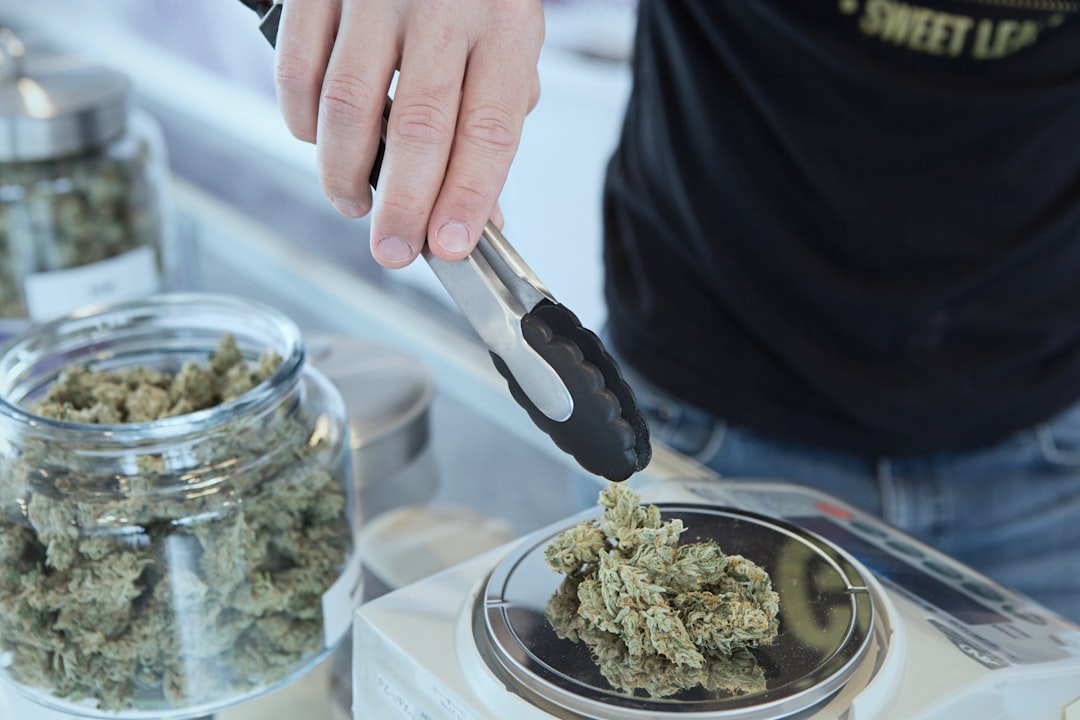
Cannabis remediation sounds like something you would only hear in a cultivation meeting, but it connects to a simple patient question: what happened to this flower before it got to me? If you have ever spotted “never remediated” on a label and paused, you are not being picky. You are paying attention, and that is a good thing.
Let’s break it down in plain language so you can shop with more confidence in Florida, read a COA without getting a headache, and understand what a brand is really saying when it uses the phrase “never remediated.”
When people ask, “what is cannabis remediation?” the cleanest explanation is this: it is a post-harvest “fix” used when a batch of cannabis flower does not pass required safety testing the first time.
Instead of throwing the batch away, some operators use a process designed to lower microbial counts or reduce certain contaminants, then they test it again. In the industry, this is often discussed as remediation versus decontamination, meaning the work happens after the flower is already grown and harvested. If you want a quick outside overview of that distinction, you can read XR Pure’s explanation of cannabis remediation vs. decontamination.
Here is the patient-friendly takeaway: remediation is not the same as “bad cannabis,” but it does mean something went off track somewhere, and the product needed an extra step to meet the standard.
Cannabis is agriculture. Even with strong SOPs, clean rooms, and careful handling, nature still tries to do what nature does. Florida’s medical program requires safety testing to help protect patients, especially if you are immunocompromised or simply more sensitive.
Depending on state rules and product type, labs may look for things like:
If a batch fails, the choices are limited: it is either destroyed, or it goes through a remediation step and gets retested. That is why “never remediated” catches your eye. It is basically saying, “this flower met the requirement without needing a rescue mission.”
Not all remediation looks the same, and the method matters because it can influence aroma, flavor, and the “feel” of the flower. Terpenes are fragile, and anything that targets microbes can also nudge a terpene profile if it is not handled carefully.
If you want one simple rule while you shop: remediation is a tool. It can be used responsibly, or it can become a habit. Your job is not to panic. Your job is to ask better questions.
“Never remediated” is a specific claim about process. It usually means the flower did not go through post-harvest microbial reduction like irradiation cannabis, ozone, or heat treatment as a corrective step.
That matters because it often points back to tighter controls earlier in the chain, such as:
If you want another patient-friendly perspective on why remediation exists and what it implies, Himalayan High’s breakdown of “what do you mean it’s remediated?” explains the concept without drowning you in lab jargon.
To be clear, “never remediated” is not a magic stamp that guarantees you will love the effects. What it can signal is a batch that did not need extra intervention to meet safety requirements, and many patients associate that with a cleaner, more true-to-plant experience.
Sometimes, yes. Patients tend to notice it most in the sensory stuff: the nose when you open the container, the flavor on inhale, and how “lively” the flower seems once you grind it.
Why? Because some remediation methods can reduce terpene intensity or shift the balance slightly. That does not automatically mean the flower is ineffective. It just might mean the profile is a little less expressive.
There is also a trust side to this. Some critics argue that routine remediation can hide bigger issues if a grow leans on it too often instead of fixing the root causes.
Where does that leave you? In a practical spot: look for transparency, and use the COA to back up the label.
You do not need a science degree to make a solid choice. A few habits go a long way.
If you want to compare flower options by strain and profile, start with Shop Flower. When you are ready to place an order, do it directly through the GrowHealthy website. If delivery is your thing, you can check eligibility, minimums, and details on the GrowHealthy Delivery page.
And if you are trying to stretch your budget, it is worth bookmarking GrowHealthy Discounts for everyday savings and first-time patient offers.
Is remediated cannabis unsafe?
Not necessarily. Remediation is used to help a batch meet required safety standards after a failed test. What matters most is why it failed, what method was used, and whether the brand is transparent with testing and documentation.
Is irradiation cannabis the same thing as cannabis remediation?
Irradiation can be one cannabis remediation method, but it is not the only one. A product could be non-irradiated and still be remediated using ozone or heat, depending on the facility.
What does “never remediated” guarantee?
It usually means the flower passed required safety testing without needing a post-harvest corrective process. It does not guarantee a specific terpene percentage, flavor, or experience for every patient.
How can you tell if you are buying clean medical cannabis?
Start with the COA, then look at consistency over time. If you have questions, ask your dispensary team to help you interpret the report and explain what the results mean in plain terms.
Does GrowHealthy provide lab testing transparency?
Yes. You can look up batch documentation through the COA Test Results hub, and you can always ask the GrowHealthy team to walk you through it.
Cannabis remediation exists for a reason: patient safety and compliance. Still, the “never remediated” label can be meaningful because it often reflects a cleaner process from the start, with fewer post-harvest interventions that might dull aroma or soften the plant’s natural character.
If you want the simplest path forward, stick with transparency. Check the COA, ask direct questions, and choose a dispensary that treats education as part of patient care. When you are ready, browse GrowHealthy flower, compare profiles, and use lab results to confirm what the label is telling you.
Reminder: GrowHealthy provides lab-tested medical cannabis products and patient education, but we do not diagnose, treat, or cure medical conditions. For personal medical guidance, talk with a licensed medical professional.

High THC weed can help some patients, but it’s not always best. Learn THC tolerance, high THC cartridges, and safer options.

Cannabis topical basics: THC cream vs CBD topical, how they work, and when patients choose topicals for pain without intoxication.
GrowHealthy patient care policy explained: dispensary rules, Florida patient requirements, IDs, safety standards, and smoother visits.