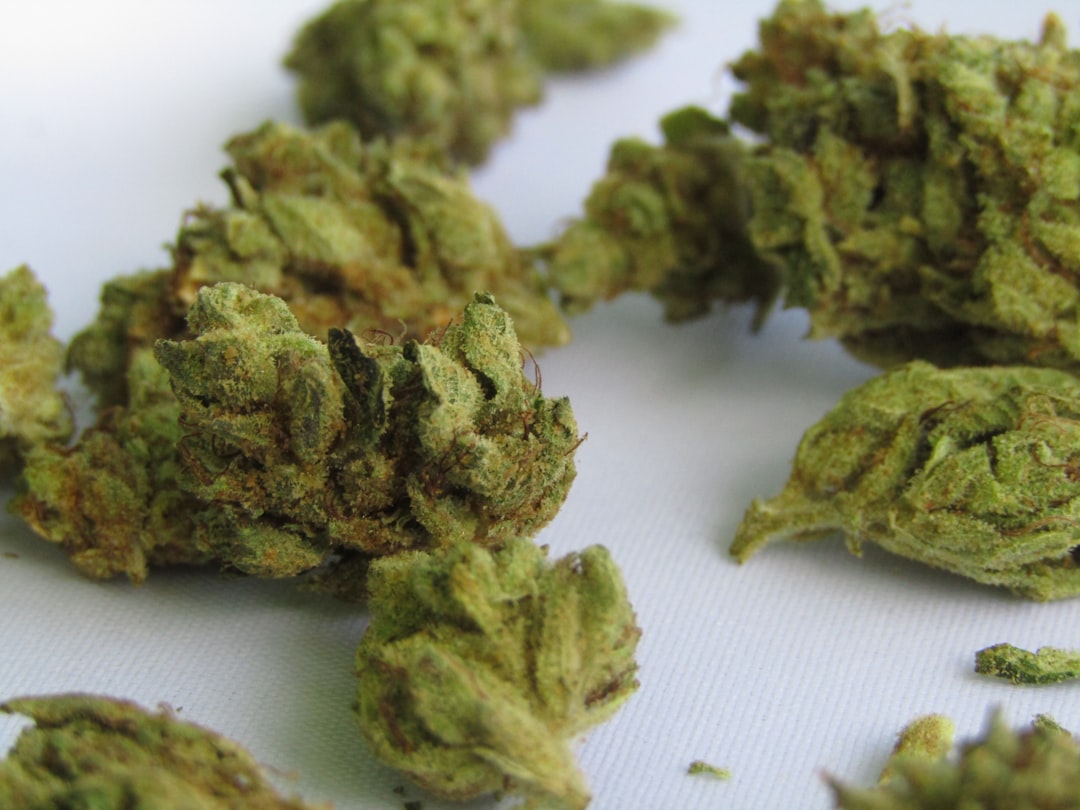

Does a Medical Card Show Up on a Background Check? What Florida Patients Should Know
Does a medical card show up on a background check in Florida? Learn HIPAA privacy, whether the MMUR is confidential, and the real risks like drug test...
Can a felon get a medical card in Florida? In a lot of real-life situations, yes. The part that trips people up is that your record is only one piece of the puzzle. What matters most is whether you qualify medically, what your recommending physician is comfortable with, and whether you have anything active going on right now that could create problems with the state registry.
If you’re reading this as a GrowHealthy customer (or you’re thinking about becoming one), you’re probably not looking for internet rumors. You want a clear, practical path that keeps you on the right side of Florida’s rules. This guide walks you through what’s true, what’s misunderstood, and what changed recently for drug-related cases.
Florida does not have a blanket rule that says “felons can’t be medical cannabis patients.” A felony record by itself is not always the deciding factor. In most cases, you’re looking at the same baseline requirement as anyone else: a qualified Florida physician has to determine that you have a qualifying condition and enter your recommendation into the state’s system.
That lines up with patient guidance from DocMJ’s overview of whether felons can get a Florida medical cannabis card, which explains that qualification is primarily medical and that felony history is not an automatic bar across the board.
When you search for felony and medical marijuana card Florida rules, it can sound like there’s a single yes-or-no list. In practice, it’s more human than that. The state program is built around a physician recommendation, so the most common “gate” you’ll encounter is the physician’s clinical judgment and the clinic’s policies.
Here’s how it often plays out in everyday terms.
One simple tip that helps: show up prepared. Bring relevant medical documentation, be honest if you’re asked about your history, and don’t try to “talk your way around” anything. Physicians are making a medical decision, and trust matters.
If your record includes controlled-substance charges, pay close attention to what changed in 2025. Florida Politics covered SB 2514 and how it created a pathway for the state to suspend medical cannabis registrations for people charged with violations of Florida’s drug law chapter while the case is pending. You can read the details in Florida Politics’ reporting on SB 2514 and medical cannabis card suspensions.
Here’s the practical takeaway: even if you’ve been a patient before, don’t assume the system treats new drug-related issues the same way it did a few years ago. For some patients, the bigger risk isn’t qualifying the first time. It’s keeping your Florida State Issued Medical Card active without interruptions if a new case pops up.
Quick note on boundaries: GrowHealthy can’t give legal advice. If you have an active drug-related case, talk with a Florida attorney who handles criminal or cannabis-related issues before you apply or renew. It’s the safest way to protect yourself.
This is where you’ll hear the most confident misinformation. People will tell you probation automatically blocks you. In reality, it depends on your specific supervision terms and who is supervising you.
CannaMD’s explanation of medical cannabis use while on probation in Florida highlights that some patients may be able to use medical cannabis, but it varies based on the conditions of supervision and the decision-makers involved.
If you’re on probation and trying to avoid trouble, treat this like any other “ask first, then act” situation.
It helps to understand what the state is actually doing. Florida’s medical cannabis program runs through the Medical Marijuana Use Registry (MMUR), overseen by the Office of Medical Marijuana Use (OMMU). For the official patient framework and responsibilities, use OMMU’s Rules & Regulations page as your go-to reference.
Most of the “pressure points” happen at the physician visit, not because there’s a dramatic background check like a job application, but because physicians are deciding whether medical cannabis is appropriate for you and whether they’re comfortable recommending it. Your honesty, your medical documentation, and your current legal status can all shape that conversation.
If you want the full step-by-step on timing, paperwork, and what happens after the appointment, this guide on how to get a medical marijuana card in Florida lays it out clearly. Timing-wise, many patients see the state approval process move in about 5 to 7 business days, with occasional delays that can stretch longer.
After you’re approved for a Florida State Issued Medical Card, your focus usually shifts fast. You’re no longer asking, “Can I qualify?” You’re asking, “What do I start with, and how do I shop responsibly?” That’s where a patient-first dispensary experience matters.
GrowHealthy is a flower-first team that cares about genetics, consistency, and clean, lab-tested products. You can shop across formats like flower, vapes, concentrates, edibles, tinctures, topicals, and RSO, and you can ask questions without getting talked down to. If you’re new and want a simple orientation on what happens after you’re qualified, start here: Become a Patient at GrowHealthy.
If convenience is a big deal for you, you can use GrowHealthy delivery. Delivery is free with a $75 minimum order, with some limited exceptions depending on location.
And if the card and doctor visit costs hit your budget, it’s worth checking both types of deals we run. For rotating offers, go to GrowHealthy Specials. For ongoing programs like first-time patient, veteran, senior, and loyalty savings, use GrowHealthy Discounts.
If you like learning as you go, our education hub is always growing. You can browse helpful reads on the GrowHealthy blog and build confidence before you buy.
Does a felony automatically disqualify you from Florida’s medical cannabis program?
No. Florida does not have a universal felony ban. Many people with felony convictions can still qualify if a physician recommends medical cannabis and you meet state requirements.
What kinds of convictions cause the most issues?
Drug-related cases are more complicated now because of recent legal changes, and violent or firearm-related history can make some clinics more cautious. The impact varies by physician and clinic policies.
Can you apply if you’re on probation?
Sometimes, but you need to confirm what your supervision terms allow. Do not rely on hearsay. Get clarity through the proper channel before you use medical cannabis.
Is your medical cannabis registry information public?
The MMUR is a medical registry, not a public profile. Still, your recommending physician may ask questions so they can make an informed medical decision, and it’s best to answer honestly.
If your record includes drug charges, what’s the safest next step?
If you have active or recent drug-related legal issues, consider speaking with a qualified medical cannabis physician and a Florida attorney before you apply or renew. GrowHealthy can’t provide legal advice, and protecting your registration is worth the extra caution.
If you’ve been wondering, can a felon get a medical card in Florida, the most accurate answer is that many people can, but your details matter. Your medical qualification is still the foundation. Your conviction type, any active charges, and any probation or supervision terms can change what’s possible and what’s risky.
When you’re ready to shop as a qualified patient, GrowHealthy is here with lab-tested products, a flower-first mindset, and a team that will meet you where you are. Start with our patient guide, then choose pickup or delivery based on what makes your routine easier.