

Medical Marijuana Card Online Florida: Telehealth Steps (What You Can Do From Home)
Medical marijuana card online Florida rules are strict. Learn telehealth eligibility, in-person first visit requirements, renewal steps, and tips to a...
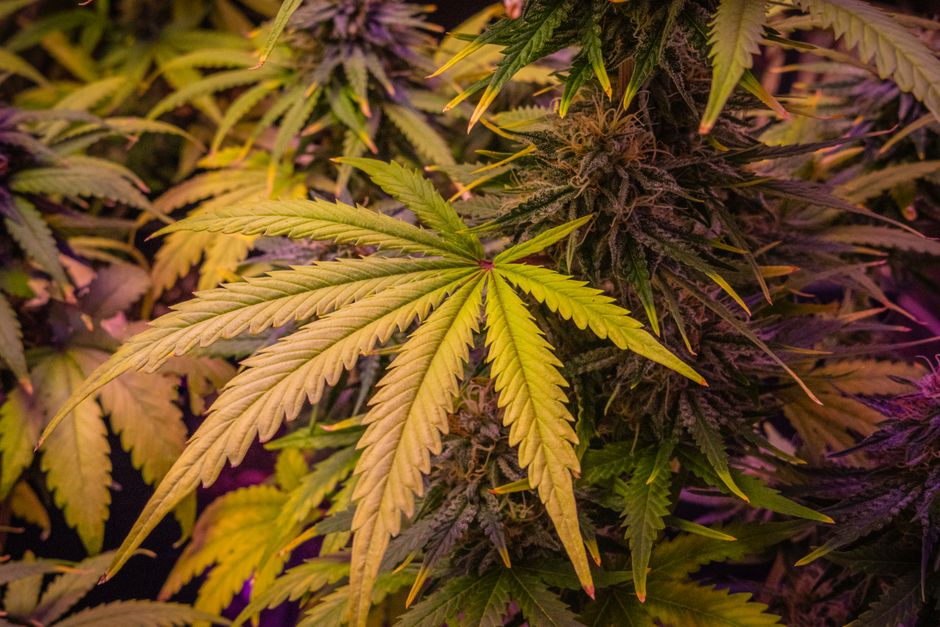
Best strain for daytime shopping sounds easy until you’ve tried a “sativa” that made your heart race or an “indica” that didn’t help you sleep at all. If that’s happened to you, you didn’t do anything wrong. Those old labels can be helpful shorthand, but they’re not a promise. What you actually feel usually comes down to the product’s chemistry, your dose, and when you use it.
So instead of chasing a strain name that worked for someone else, you’re better off asking a few practical questions: What do you want to feel? How long do you need it to last? What do the cannabinoids and terpenes look like on the COA (Certificate of Analysis)? This guide walks you through a simple, real-life way to shop for daytime function and nighttime wind-down with more confidence.
When you’re looking for the best strain for daytime, start by naming the job you need your medical cannabis to do. “Daytime” can mean a lot of things, and your ideal product depends on your version of a normal day.
For many patients, a balanced hybrid profile ends up being the most usable option because it doesn’t push too hard in either direction. If you’re sensitive to anxious feelings, this “middle lane” approach can feel a lot easier to live with.
The best strain for daytime is rarely the same product you’ll love at 9 p.m. Even if the strain name is identical, your body and brain are in a different place later in the day. Your goal shifts too.
Timing matters as much as product choice. Something that feels crisp and helpful at 10 a.m. can feel like an annoying soundtrack at bedtime, especially if you take it too late or take more than you planned.
If you’ve searched indica vs sativa for anxiety, you’ve probably seen the simple version: indica equals relaxing, sativa equals energizing. That idea is not totally useless, but it’s incomplete, especially now that most dispensary menus are dominated by hybrids.
A quick overview from Curio Wellness explains the traditional association of indica with relaxation and sativa with uplifting effects, plus how hybrids can land anywhere in between. Read it here: indica vs sativa vs hybrid.
Here’s what matters for you as a patient: two products with the same label can feel different because the terpenes, the THC:CBD ratio, and your dose change the experience. If anxiety is part of your picture, those details are worth your attention.
Next time you’re browsing, skip “Is this an indica or sativa?” and ask these instead. They’ll get you closer to a repeatable, personalized pick.
Terpenes are aromatic compounds that help shape the “tone” of a product. You don’t need to memorize a terpene chart to shop smarter. You just need to notice patterns in what works for you.
As a general starting point, patients often describe these directions:
A strain guide from JerseyMeds also discusses how certain terpene-leaning profiles are often chosen for relaxation, focus, or sleep. You can compare notes here: best cannabis strains for relaxation, focus, and sleep.
Your move is simple: find one product you liked, pull up its COA, and jot down the top terpenes. When you’re shopping again, you can use that as your “breadcrumb trail.”
THC can be very effective, but higher is not automatically better, especially during the day. If you’ve ever felt edgy, overly intense, or mentally scattered, it might not be the strain. It might be that the THC level and your dose were more than you needed for that moment.
Many patients find that some CBD in the mix, or simply choosing a less THC-forward product, feels smoother and more functional.
If you’re newer, consider treating THC like hot sauce. You can always add more, but you can’t take it back once you’ve overdone it.
This one changes everything. The same strain can feel totally different depending on format, onset, and duration.
If you want a clear overview of timing, formats, and how to approach dosing responsibly, keep this bookmarked: GrowHealthy dosing info.
There’s a reason so many patients end up liking hybrid strains. Real days are mixed. You might need symptom support but still want to cook dinner, answer emails, or be present with family. A hybrid profile can offer that more “rounded” feel.
Hybrids are also helpful while you’re learning your preferences. You can adjust dose and timing without feeling like you picked something that only does one thing.
If you want consistency, get into the habit of checking the COA. It’s the quickest way to confirm cannabinoids and terpenes so you’re not guessing based on a name.
You can pull lab results any time here: GrowHealthy COA Test Results. When you find a batch you love, save the details. The next time you shop, compare COAs and look for a similar terpene mix and cannabinoid balance.
If you’re starting with flower, browse what’s available and then cross-check the COA before you commit: GrowHealthy flower.
Try this for your next few purchases. It keeps things practical and helps you learn faster.
If you use delivery, planning matters even more because you’re stocking for your week, not just your next hour. Here are the details on statewide service and the minimum purchase: GrowHealthy delivery.
Before you place an order, it’s worth a quick look at current savings and patient programs. You can find the full list here: GrowHealthy discounts.
Is the best strain for daytime always a sativa?
No. Many products labeled “sativa” are hybrids, and effects can vary a lot by terpene profile, THC:CBD ratio, dose, and your personal sensitivity. If you want more predictable results, use the COA and shop for the outcome you want.
What is the best strain for sleep if you also deal with anxiety?
Many patients lean toward more relaxing profiles at night and keep the dose modest, since higher doses can feel stimulating for some people. If anxiety is part of your routine, consider discussing specific options and timing with a qualified medical professional so your plan fits your health history.
Why do hybrids feel more consistent for some patients?
A hybrid profile can land between mental stimulation and physical relaxation, which tends to be easier to use in everyday life. It can also give you more room to adjust dose without tipping into “too much.”
Does higher THC mean it works better for daytime or sleep?
Not necessarily. Higher THC often means more intensity, which can be uncomfortable or distracting, and may not be a great match if you’re sensitive or managing anxious feelings. Many patients do better with a lower dose or a more balanced cannabinoid profile.
How do you confirm what’s actually in a product?
Look at lab testing. GrowHealthy posts COAs so you can verify cannabinoid and terpene content and compare batches before you buy.
Finding your best strain for daytime or your best option for sleep gets easier when you focus on the stuff that repeats: terpene profile, THC:CBD balance, dose, and timing. Labels can be a starting point, but your results come from the details.
If you want to tighten up your routine, browse the menu, check the COA, and use GrowHealthy education to match format and onset to your day. And whenever you’re making changes, especially if you’re managing anxiety or sleep issues, loop in a qualified medical professional for personalized guidance.