THC Capsules 101: Capsules vs Edibles vs Tinctures
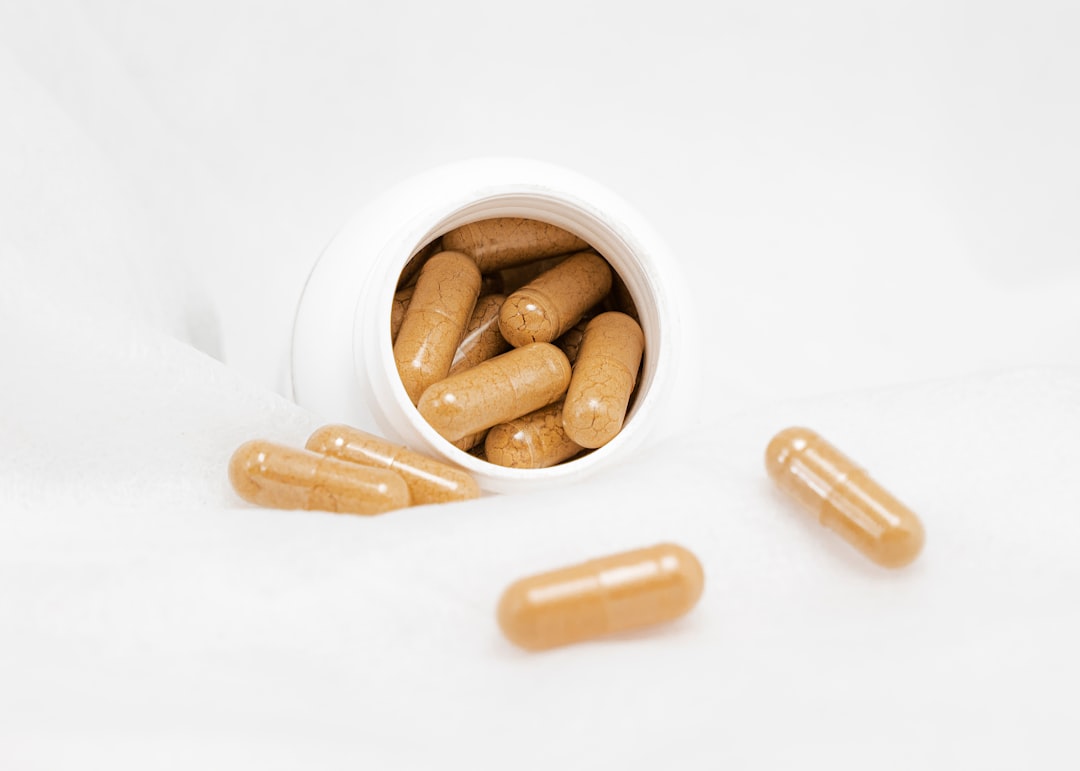
THC capsules offer precise, discreet dosing. Learn how cannabis capsules compare to edibles and tinctures for onset, duration, and control for patient...
Does weed expire? Yes, and if you have ever cracked open an older container and thought, “This used to smell way better,” you already know what that means in real life. Medical cannabis usually does not turn “toxic” just because time passed, but it does change. Potency can drift, aroma can fade, and flavor can get a little flat or harsh.
Think of it more like coffee beans than leftovers. It is still the same product, but it is rarely as enjoyable or consistent after months of light, air, and heat. Below, you will find a simple shelf life guide by product type, what to look for when something is past its prime, and how to store your products so they stay closer to “fresh jar” quality.
Most of the time, when you ask about expiration, you are really asking, “Will this still work the way I expect?” Over time, THC slowly degrades and can convert into other cannabinoids, including CBN, which many people describe as milder and more relaxing. At the same time, terpenes, the compounds that give a cultivar its smell and taste, evaporate and oxidize.
That is why older flower can start to smell like dry plant material instead of what you remember from day one. Light, oxygen, and heat speed this up. Humidity is its own issue because too much moisture can invite mold, and too little can leave flower brittle and rough.
If you want a quick reality check on how storage and time affect strength, this review in the National Library of Medicine explains how cannabinoids like THC can degrade under common conditions. The takeaway is simple: time is part of the equation, but storage decides how fast the clock runs.
In day-to-day terms, “expired” medical cannabis usually means quality drops before safety becomes a concern. You might notice:
Safety problems are less common, but they are real. The big one is mold, especially with flower (and sometimes edibles) stored warm and damp. If something smells musty, looks fuzzy, or feels spongy and “wet,” do not try to salvage it. When in doubt, skip it and grab a fresh batch.
Absolutely. A sealed gummy is protected from air in a way that a jar you open twice a day is not. Concentrates can hold potency well, but terpenes are fragile and can disappear quickly if you keep warming the jar. Vape oil can oxidize, and hardware can have its own problems over time.
One habit that helps you stay consistent is checking your product’s lab results. GrowHealthy makes that easy in the COA Test Results hub, where you can pull batch-specific cannabinoid and terpene info and match it to what you are feeling.
For most patients, flower is at its best within about 6 to 12 months, assuming you store it well. After that, it is not unusual to notice less smell, less flavor, and a softer effect. That is THC degradation over time doing its thing, plus terpene loss.
Here is the practical way to think about it: every time you open the container, you trade a little freshness for convenience. If you are opening the same jar for weeks, that repeated air exchange adds up.
If you are restocking, you can browse current options through the GrowHealthy menu on the Shop Flower page and then store it like you want it to stay that way.
Vape products are usually best within 6 to 12 months. Over time, oil can darken or thicken, flavors can dull, and you may notice clogging or leakage, especially if the device has been kept warm or stored on its side.
A few simple habits make a difference:
If you are looking for a fresher option, you can explore current inventory on the Shop Vaporizers page.
Yes. Edibles follow food rules more closely than flower does. Many gummies hold up 6 to 12 months when sealed, but once opened, texture and flavor can change faster. Some edibles also have ingredients that spoil, so the printed package date matters.
Play it safe with edibles:
If you want a refresher on pacing and consistency, GrowHealthy’s Dosing Information page is a solid guide for onset times and start-low-and-go-slow basics.
Concentrates often keep their punch, but “peak quality” can be shorter than you expect. Depending on the product and how you store it, you might notice changes in 3 to 6 months. The most common shifts are texture changes, darkening, and less flavor as terpenes evaporate.
To keep concentrates tasting the way they should:
If you are shopping fresh, you can check what is available on Shop Concentrates.
Tinctures and oils often last longer, around 12 to 24 months, depending on ingredients and storage. They can still oxidize, and carrier oils can slowly shift in flavor as they age.
Keep the cap tight, store the bottle in a dark cabinet, and avoid leaving it near heat sources. If it starts to smell rancid or tastes noticeably “off,” it is time to replace it.
If you want to browse what is current, head to Shop Tinctures.
Dates help, but your senses are usually faster. Here is what tends to show up when something is past its best:
For a straightforward rundown of common red flags, Leafly’s guide to cannabis expiration dates covers what aging looks like and why storage matters. If you spot visible mold, do not use it. Inhaling mold is not worth the gamble.
If your products seem to “expire” faster than expected, it is almost always the environment. These are the usual culprits:
A small habit that helps a lot: if you buy more than one jar’s worth of flower, split it into smaller airtight glass containers. That way you are not reintroducing fresh oxygen to your entire supply every time you reach for it.
You do not need fancy gear. You just need consistency.
If you like learning the “why” behind product formats and shopping for consistency beyond just THC numbers, you can dig into more patient-friendly education on the GrowHealthy blog.
If you are a Florida patient, you are shopping inside a regulated medical program. When you want the official rules straight from the source, the OMMU Rules & Regulations page is the cleanest reference. It is also a good reminder to keep products in original packaging when possible and store them responsibly at home.
Does weed expire in a sealed bag? It can still degrade, just more slowly than something that is opened often. Plastic also is not ideal long-term. It is not as airtight as glass, and it can contribute to dryness and terpene loss. If you care about keeping flower flavorful, move it to an airtight glass container.
Most older medical cannabis is a quality issue, not a safety issue, if it was stored correctly. The main exceptions are mold on flower or spoilage in edibles. If you see visible mold, smell a musty odor, or notice anything “off” with an edible, do not use it.
It depends on storage. With light, heat, and frequent air exposure, you might notice changes in a few months. With better storage, many patients find flower stays closer to its best for about 6 to 12 months. Vapes and concentrates can show flavor changes sooner because terpenes are sensitive.
You can sometimes improve texture by stabilizing humidity, but you cannot rewind time. Once THC has degraded and terpenes have evaporated, the original potency and aroma will not fully come back. Your best move is prevention: airtight glass, cool, dark storage, and smaller jars if you open them often.
Does weed expire? Yes, in the ways you actually care about. Potency can taper, terpenes fade, and the experience can drift away from what you bought. The upside is you have a lot of control: store products airtight, keep them cool and out of light, and treat edibles like the food products they are.
If you want help choosing a format that fits your routine, or you are trying to dial in consistency from one purchase to the next, your GrowHealthy team can walk you through options and help you compare batches using your COAs. And if you like saving while you restock, check current rotating deals on Specials and ongoing program savings on Discounts.

Medical marijuana Gainesville patients: learn Florida rules, GrowHealthy Gainesville hours, discounts, and Gainesville dispensary delivery.