
Does Insurance Cover Medical Marijuana in Florida?
Does insurance cover medical marijuana in Florida? Learn why coverage is rare, the FDA-drug exception, and what Florida patients pay out of pocket.
...
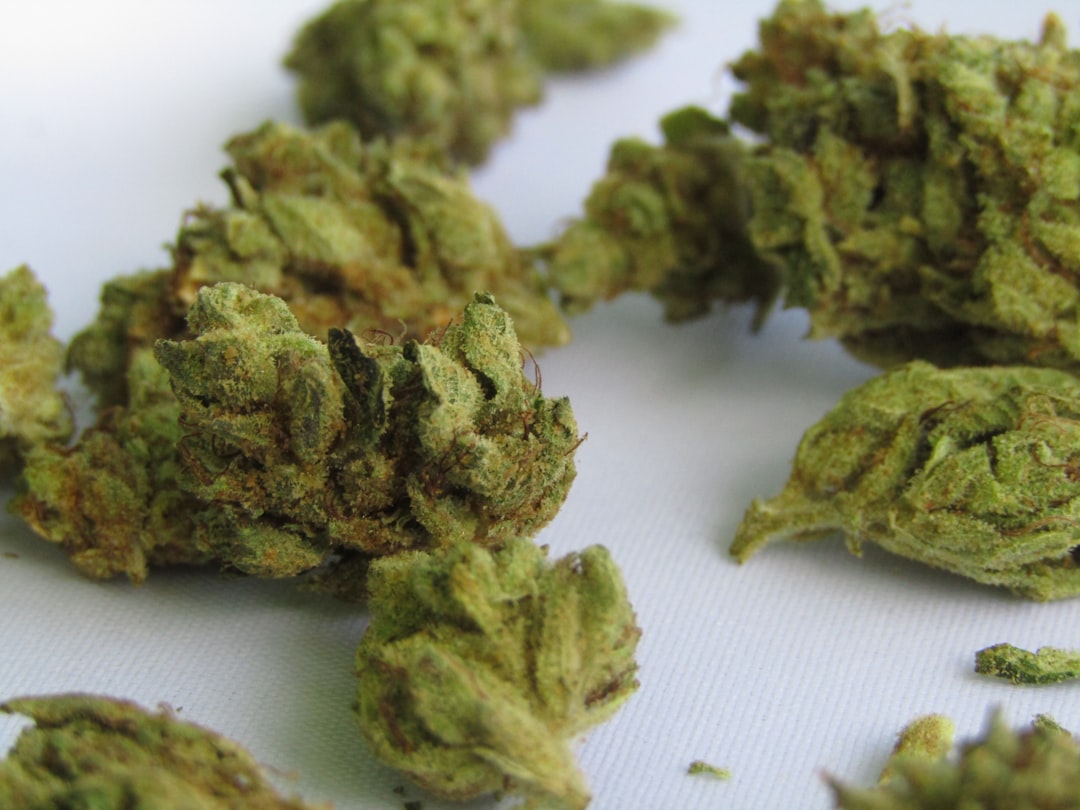
Is THCA legal in Florida? In a lot of day-to-day situations, you will see it treated like it is. But the real answer depends on the details, especially how the product is tested and whether you are buying through Florida’s medical cannabis program or the hemp marketplace.
If you have ever looked at “THCA hemp flower” and thought, “Wait, how is this on a shelf?” you are not alone. Below, you will get a clear, practical breakdown of what THCA is, what Florida typically looks at, and why THCA hemp vs medical cannabis is more than a label.
THCA stands for tetrahydrocannabinolic acid. It is the form of THC found in fresh, unheated cannabis flower. In that raw state, THCA is not the same as Delta-9 THC, which is the compound most people associate with intoxicating effects.
Here is the important part for real life: when you apply heat, THCA changes. Smoking, vaping, or baking can convert THCA into Delta-9 THC through a process called decarboxylation. That chemistry shift is the reason THCA has become such a hot topic in Florida, because a product can look “hemp-compliant” on paper, yet behave more like traditional THC once you use it.
Most of the “THCA is legal” conversation traces back to hemp law. Federally, the 2018 Farm Bill defines hemp as cannabis with no more than 0.3% Delta-9 THC by dry weight. Florida’s hemp program follows a similar framework through Florida Statute §581.217, which is why you will see hemp-derived products sold outside of dispensaries.
Some sellers lean on a simple idea: THCA is not Delta-9 THC in its raw form. That is why you may find jars labeled “THCA hemp” online or at retail. If you want a plain-English snapshot of how this market operates right now, this overview on THCA legality in Florida explains why THCA products are often sold under hemp rules.
Still, calling it a loophole is not just internet drama. It is really about how the product is measured and how regulators choose to interpret those numbers.
This is where people get tripped up, and honestly, it is understandable. A product can be under the Delta-9 THC limit, yet still have a lot of THCA. Depending on the testing approach, that can change how “legal hemp” is viewed.
Some compliance conversations focus on Delta-9 THC only. Others consider total THC, which estimates how much THC could be available after THCA converts with heat. A common formula looks like this:
Total THC = (THCA × 0.877) + Delta-9 THC
So if a flower product is loaded with THCA, it may pass one kind of report and raise eyebrows under another. For a Florida-specific take aimed at compliance, the cannabis law firm Greenspoon Marder walks through the risks for retailers in their guidance on THCA flower testing and compliance.
For you, the practical takeaway is simple: do not rely on the front label alone. Look at the COA and keep in mind that enforcement priorities can shift over time.
When you are shopping as a patient, the biggest difference is the system behind the product.
Florida’s medical cannabis program is governed by Florida Statute §381.986 and overseen by the Office of Medical Marijuana Use, often shortened to OMMU, with patient activity tracked through the MMUR registry. In the medical program, you are purchasing from licensed Medical Marijuana Treatment Centers, and the rules are built around registered patients and physician recommendations.
Hemp products, on the other hand, live under the hemp framework and the 0.3% Delta-9 THC threshold. That is why two jars of flower can look similar at a glance, yet have very different legal footing.
If you want the official source for what the state expects in the medical program, you can review Florida OMMU rules and regulations.
You do not need a law degree to be a smart shopper. A few small habits can save you a lot of uncertainty.
If you are weighing whether to become a patient, it helps to know the timeline and the basics. Many people receive their Florida State Issued Medical Card approval in about 5 to 7 business days, although it can take 2 to 3 weeks on rare occasions.
For a step-by-step look at the process, this guide on how to get a medical marijuana card in Florida lays out what to expect, from physician evaluation to state registration.
At GrowHealthy, you are not expected to figure everything out on your own. You deserve clear info, consistent product quality, and a team that treats you like a person, not a transaction.
If you like to verify what you are taking, you can look up lab testing through our test results page. If you are new to the program or getting back into it after a break, start with Become a Patient for a straightforward overview of how medical cannabis purchasing works at GrowHealthy.
To keep learning at your own pace, you can browse Florida-focused education any time in the GrowHealthy blog.
And when you are ready to shop, you can check our rotating deals on Specials and our ongoing savings programs on Discounts. If delivery is your easiest option, review details on GrowHealthy delivery, including minimum purchase requirements and availability.
Is THCA legal in Florida without a Florida State Issued Medical Card?
You will see hemp-derived THCA products sold without a Florida State Issued Medical Card when they are presented as meeting hemp requirements, especially the 0.3% Delta-9 THC limit. The complication is that some products can be viewed differently if total THC testing is applied or if enforcement priorities change.
What does “total THC” mean for THCA in Florida?
Total THC is a way of estimating how much THC could be available after THCA converts with heat. Using that approach, high-THCA flower can end up over the legal hemp threshold even if the Delta-9 THC number looks low on the label.
Is THCA hemp vs medical cannabis only about potency?
No. Potency matters, but the bigger difference is the regulatory system. Hemp products are tied to hemp rules and THC thresholds. Florida medical cannabis is regulated by OMMU and designed for registered patients purchasing through licensed dispensaries.
Can you buy high-THCA products legally in Florida?
If you are a registered medical cannabis patient, you can legally access a wider range of high-potency products through Florida’s medical system. If you are shopping in the hemp marketplace, legality hinges on hemp compliance and how the product is tested and labeled.
So, is THCA legal in Florida? Often, yes, in the sense that you can find THCA products being sold under hemp rules. But the safer, clearer answer depends on what the COA says, how testing is interpreted, and whether you are purchasing through Florida’s regulated medical cannabis program.
If you want consistent access to lab-tested medical cannabis in a system built for patients, the medical route is the most straightforward option. If you have questions about lab reports, product types, or how to shop with your recommendation, reach out through GrowHealthy’s contact page and we will point you to the right resources.
Educational content only. GrowHealthy does not provide legal or medical advice. For personal guidance, consult a qualified attorney for legal questions and a licensed medical professional for medical questions.