
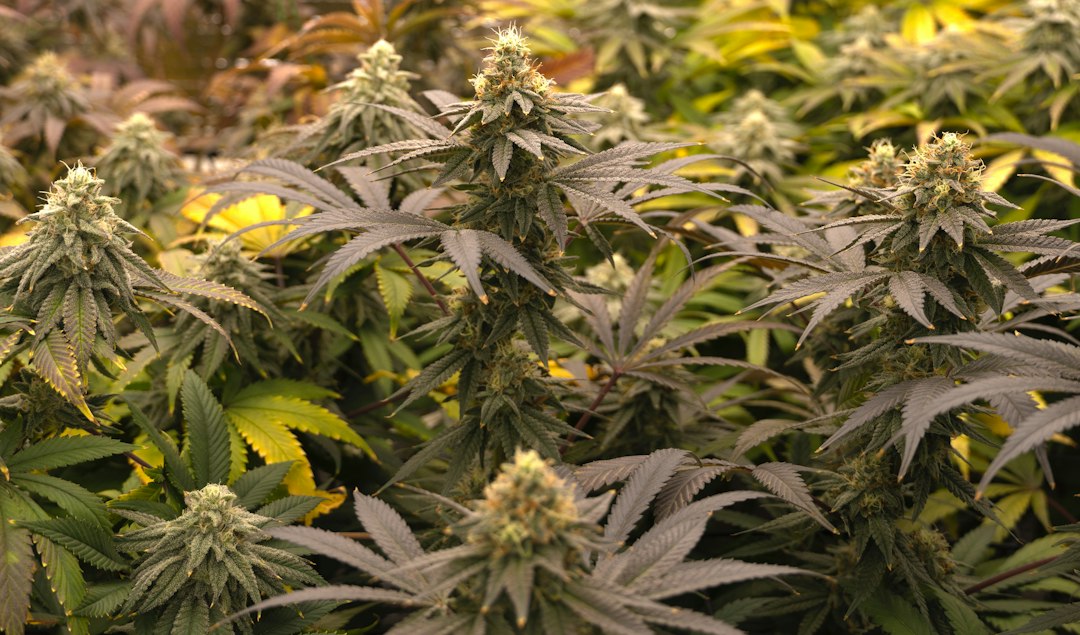
Ocimene Terpene: Sweet, Herbal Aroma and Effects
Ocimene terpene is a sweet, herbal aroma found in cannabis and plants like basil and mango. Learn ocimene effects, potential benefits, and how to shop...

Medical marijuana for migraines comes up a lot when you’ve already tried the usual routes, like triptans, anti-nausea meds, sleep changes, trigger tracking, and you’re still losing days to headaches that won’t let up. If you’re in Florida, there’s a real path to a Florida State Issued Medical Card, but it helps to know how the rules are written and what a qualified physician is actually looking for during your visit.
Below you’ll get a clear, patient-first rundown: how migraine patients often qualify, what to bring so your appointment goes smoothly, what the state process looks like, and how to think about product formats responsibly once you’re approved. When you’re ready to shop, GrowHealthy is here with lab-tested medical cannabis, COA transparency, and pickup or delivery options that fit real life in Florida.
If you’re asking whether medical marijuana for migraines qualifies in Florida, you’re not alone, and the answer is often yes. The catch is that Florida law does not always list “migraine” by name as a standalone condition. Instead, physicians can certify for certain listed conditions and for conditions comparable to those listed. That comparable-conditions language is one of the most common ways migraine patients are evaluated, especially when migraines are chronic, severe, and disruptive, as explained by Green Health Docs.
There’s another practical route that comes up often: chronic nonmalignant pain. Many people with chronic migraine deal with lingering pain, neck and shoulder tension, or frequent headache days that blur together. If your physician determines that your history fits Florida’s criteria for chronic pain, that can be a qualifying pathway, which is also discussed by DocMJ.
Bottom line: your physician is not looking for a magic phrase. They’re looking for a clear, well-supported picture of how migraines affect your health and daily functioning.
Think of your evaluation like a conversation where you’re finally allowed to be specific. A qualified physician is using clinical judgment, not rubber-stamping anyone. The more clearly you can describe your migraine pattern, the easier it is for them to decide whether medical cannabis is appropriate for you.
If your headaches are rare and respond reliably to over-the-counter medication, certification might be less likely. If migraines are frequent, disabling, and persistent despite conventional care, you’re closer to the kind of situation Florida’s program was designed to address.
When you search migraines medical card Florida, what you’re really trying to figure out is, “What diagnosis does the state accept?” In everyday clinic language, certification tends to fall into one of these lanes:
Clinics may use different wording, but your outcome depends on whether your physician can connect your symptoms and medical history to a qualifying path under Florida law.
The process is pretty straightforward once you see it in order. You’ll meet with a qualified physician, and if they certify you, you’ll move into the state steps through Florida’s registry system.
For a plain-English walkthrough of the full Florida process, you can review this guide on how to get a medical marijuana card in Florida. You can also see GrowHealthy’s patient overview on our Become a Patient page.
Florida program details can shift, so it’s smart to check the state’s official updates on the OMMU Rules & Regulations page.
You don’t need to show up with a binder the size of a phone book. Still, a little prep can save you time and back-and-forth. Your goal is to make your migraine history easy to understand at a glance.
If you want more patient-friendly education once you’re approved, you can always browse the GrowHealthy education hub on our blog.
Medical cannabis is not a guaranteed fix, and it’s not a cure. What it can be, for some patients, is another tool to discuss with your physician when migraines keep breaking through your current plan.
People look into cannabis because cannabinoids interact with the body’s endocannabinoid system, which plays a role in pain regulation, nausea, stress response, and sleep. If you’d like a patient-friendly overview of those connections, My Florida Green explains how medical marijuana or CBD may help with migraine headaches.
Depending on your physician’s guidance and your individual response, you might be trying to support goals like:
Be honest with yourself about side effects, too. Some people feel drowsy, dizzy, anxious, or just “off.” Follow your physician’s dosing guidance, and do not drive or operate machinery if you feel impaired.
Once you have an active Florida State Issued Medical Card, your physician may recommend certain routes based on how quickly you need effects and how long you want them to last. Migraine patients often think in two timeframes: when symptoms spike fast, and when you’re trying to recover and get back to normal.
If you’re new to THC or you know you’re sensitive, keep it simple: start low and go slow, and ask your physician about THC-to-CBD balance. And if you like to see what you’re buying, you can review lab testing details through GrowHealthy’s COA test results page before you place an order.
Clinic visit pricing varies, but Florida’s state application fee for the Florida State Issued Medical Card is commonly listed as $75, and the card is typically renewed annually.
For timing, many patients see approval in about 5 to 7 business days. On rare occasions, it can take 2 to 3 weeks if the application needs extra review or corrections.
When your card is active, you can shop in-store or order online directly through GrowHealthy’s website. If getting out of the house is the last thing you want on a migraine day, you can also use GrowHealthy delivery. Delivery is free with a $75 minimum order and is available statewide with limited exceptions.
Being a medical cannabis patient can add up, so it’s worth knowing what support is available. GrowHealthy offers:
If you’re new to the program, those first-time patient discounts can go a long way toward offsetting the cost of getting started.
Does medical marijuana for migraines qualify in Florida if migraines are not listed by name?
Often, yes. Many patients are evaluated through Florida’s comparable-conditions language or via chronic nonmalignant pain. Your physician determines whether your history fits a qualifying pathway.
What kind of migraine history tends to support eligibility?
Frequent, debilitating migraines that affect work, sleep, and daily function, especially when standard treatments have not provided enough relief or caused unwanted side effects.
Do you need medical records to get certified?
Not always, but records can help. If you do not have paperwork, a clear medication list and a simple migraine log can still give your physician something concrete to evaluate.
What happens after your physician certifies you?
The physician enters your information into the MMUR, and you complete the state application for your Florida State Issued Medical Card. Once you’re active, you can purchase from licensed Florida dispensaries according to your physician’s orders.
Can GrowHealthy tell you what to use for migraines?
GrowHealthy can help you understand product formats, lab testing, and how to shop based on your physician’s orders, but we cannot give medical advice or replace your physician’s guidance.
If you’re dealing with chronic, disruptive migraines, medical marijuana for migraines may be worth discussing with a qualified Florida physician. Even when “migraine” is not spelled out as a standalone condition, many patients still qualify through comparable conditions or chronic pain documentation.
When you’re ready to shop, GrowHealthy offers premium, lab-tested medical cannabis with transparent COAs, plus convenient pickup and delivery options across Florida. If you want help navigating your first order or finding the right format to discuss with your physician, reach out anytime through GrowHealthy Contact Us.

CBN vs CBD can be confusing. Learn what is CBN, how cbn effects compare to CBD, and how to read Florida labels and COAs before you buy.