
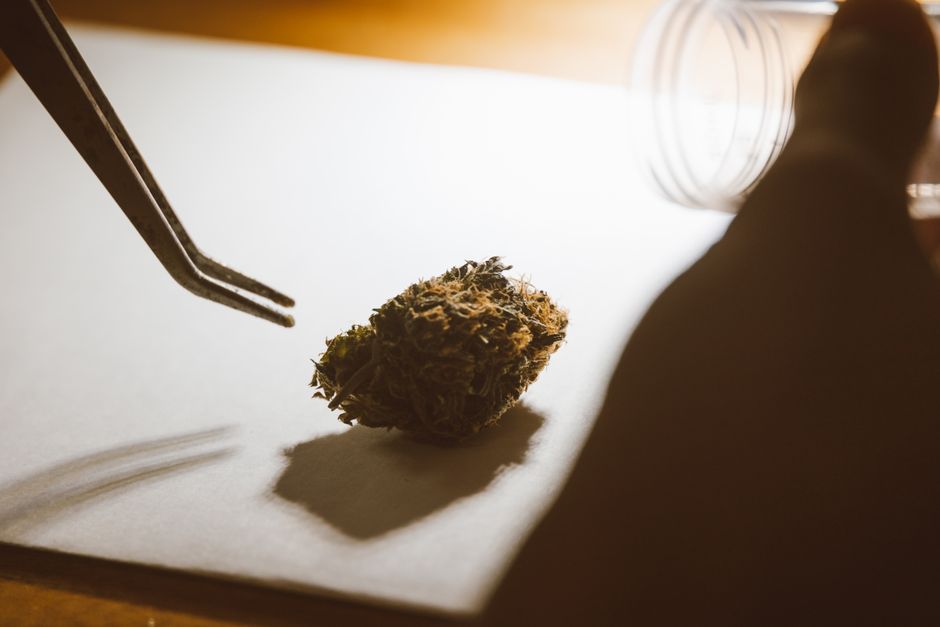
Florida Smokeable Marijuana: What “Form for Smoking” Means
Florida smokeable marijuana is a distinct legal category. Learn what “marijuana in a form for smoking” means, the rules and limits, and how to shop fl...
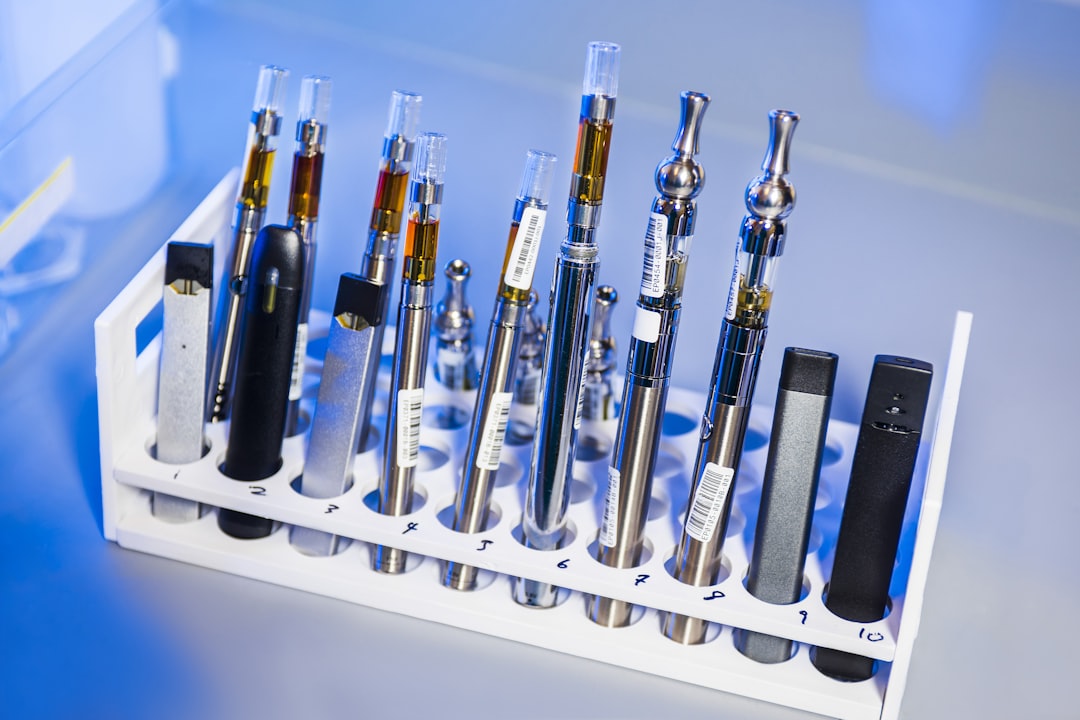
Cannabis derived terpenes vs botanical terpenes sounds like a tiny label detail, but you can taste the difference fast, especially in a terpenes vape cartridge. One cart feels like you just cracked open a jar of flower. Another leans hard into mango, candy, or a clean citrus pop. Neither is automatically “right” or “wrong” for you, but the source of the terpenes is often why the vibe is so different.
We’ll keep this simple, practical, and Florida patient friendly. You’ll learn what the terms mean, why they matter, and what to check on the label and COA before you commit.
Terpenes are the aroma compounds that show up all over nature, from pine needles to orange peel. In cannabis, they are a big part of why one cultivar smells skunky, another smells gassy, and another is all sweet fruit. A lot of patients also pay attention to terpene profiles because they feel like terpenes help shape the overall experience alongside cannabinoids.
Cannabis derived terpenes, often called CDTs, are captured from the cannabis plant itself. The big draw is that they tend to feel more “plant-real” because the mix includes a wider set of major and minor aromatic compounds that show up in cannabis. If you want a deeper, nerdier explanation of how CDTs are produced and why brands use them, check out how cannabis-derived terpenes are made and why brands use them.
Here is the part that surprises people. A terpene molecule is a terpene molecule. Limonene from orange peel is chemically the same as limonene from cannabis. What changes is where the terpenes come from and how the finished blend is built.
| Term you see | What it means | What you tend to notice |
|---|---|---|
| Cannabis-derived terpenes (CDTs) | Extracted from cannabis | Often more strain-true, more layered, closer to flower |
| Botanical-derived terpenes (BDTs) | Extracted from non-cannabis plants, then blended | Often brighter, punchier flavors, highly consistent from batch to batch |
Botanical terpenes are not “fake.” They are real terpenes from real plants. They are just not cannabis-sourced.
If you have ever tried to match a cart to a flower you already know and trust, you have probably noticed how hard it can be to nail that exact aroma. Cannabis has a lot going on beyond just a few headline terpenes. CDTs can capture more of that messy, natural fingerprint, which is why CDT carts often taste less like “flavoring” and more like the plant.
When patients tell us they prefer CDTs, the feedback is usually something like:
That said, a CDT label does not automatically mean it will be your favorite. Quality still comes down to clean inputs, smart formulation, and batch testing. For a straightforward industry overview of why CDTs are used, you can also read what cannabis-derived terpenes are and why they are used.
Sometimes you do not want “strain-true.” You want something simple, consistent, and tasty. That is where botanical blends can shine.
Because botanical terpenes can be sourced from plants like citrus, herbs, or flowers, formulators can build profiles that are reliably sweet, bright, or fruit-forward. That can be a win if you are picky about flavor, you want the same taste each time, or you prefer carts that lean into modern flavor profiles instead of that unmistakable “cannabis jar” aroma.
If you want to understand how botanical blends are sourced and put together, this explainer covers the basics well: botanical terpene sourcing and formulation.
When you are choosing a terpenes vape cartridge, try not to let THC percentage do all the talking. Many patients find that the “fit” of a cart comes down to a mix of potency, terpene profile, and how clean the oil is.
Think of terpene source like a steering wheel for expectation:
You do not need to memorize extraction methods. You just need a couple of habits that keep you in control.
When you shop with us, you can make verification part of your routine by using our COA Test Results hub. If you want a broader, patient-friendly way to vet products across any dispensary visit, our blog post Clean Cannabis Checklist: questions for any dispensary is a solid quick read.
At GrowHealthy, we are flower-first for a reason. You come back to what works, and for a lot of patients, aroma and terpene profile are part of that “I know this one” recognition. When you are comparing carts, we want you to feel confident about what you are getting and why it might fit your routine.
If you want a simple next step, browse GrowHealthy vaporizers and vape options. If you would rather talk it through, reach out through GrowHealthy patient support. We will help you read labels, understand COAs, and narrow choices based on your preferences. For medical guidance specific to your health, always loop in your physician.
Are cannabis derived terpenes stronger than botanical terpenes?
Not automatically. The same terpene molecule can exist in either source. What feels “strong” usually comes down to the full blend, the terpene percentage, and your own sensitivity to flavor intensity.
Do botanical terpenes mean a cart is synthetic?
No. Botanical terpenes are extracted from non-cannabis plants. “Botanical” is different from “synthetic.” You still want transparent labeling and third-party lab testing.
Which is better for strain-true taste in a terpenes vape cartridge?
If your main goal is to match the aroma and flavor of a specific cultivar as closely as possible, cannabis derived terpenes are usually the better bet.
Can I confirm terpene source and safety with a COA?
A COA is your best tool for verifying potency and safety testing, and it often lists terpene percentages. Terpene source is not always stated on the COA itself, so pair COA info with clear product labeling and brand transparency.
How do you pick between vapes and other formats if terpenes matter to you?
Start with the format that fits your comfort level and routine, then narrow by terpene profile and lab results. If you want a quick format comparison, our blog post Inhalation vs edibles: a quick cannabis decision tree can help you think through onset time, duration, and dosing control.
Cannabis derived terpenes vs botanical terpenes is mostly a question of what you want your cart to taste like and how closely you want it to resemble flower. If you are chasing cultivar authenticity, CDTs are often the most natural fit. If you want a bright, consistent flavor profile, botanical blends can be a smart choice when they are clean and well-tested.
If you want help narrowing it down, explore our vape lineup and lean on our team anytime. We are here to make terpene talk feel simple, not intimidating.

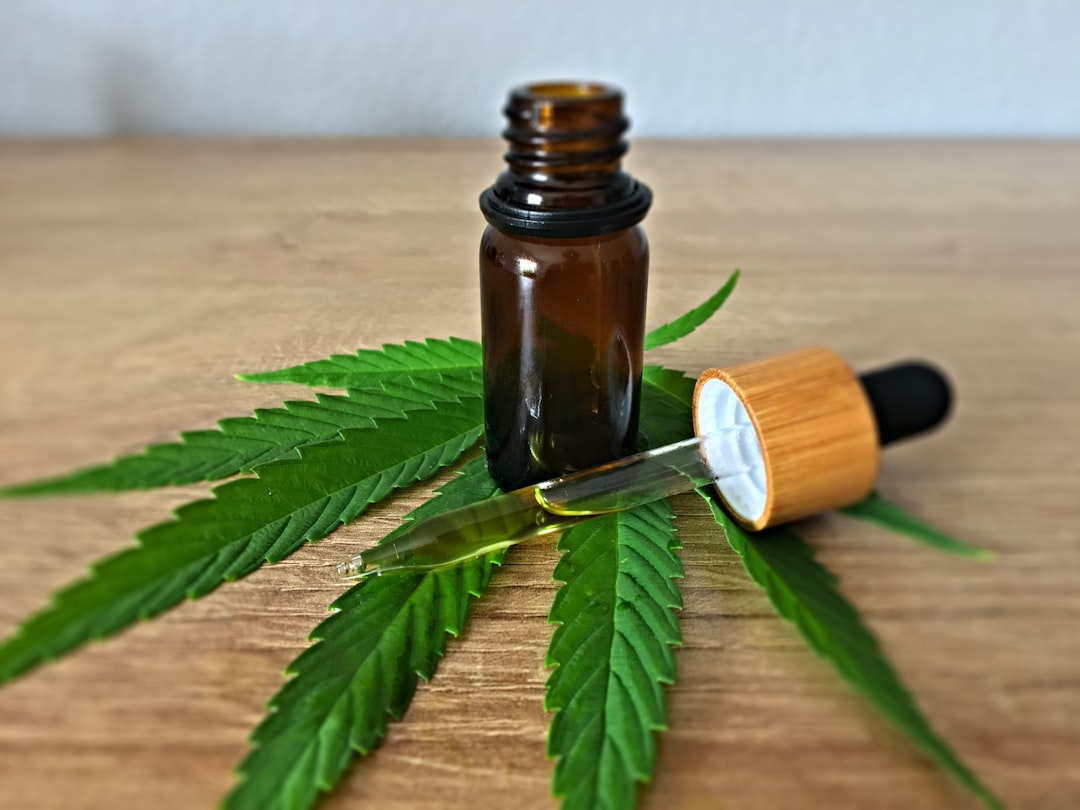
Learn how a THC CBD ratio affects tincture effects. Compare a 1:1 tincture, high-THC, and CBD tincture options to match your needs.