
RSO vs distillate: how each oil is made (and why that matters)
RSO is usually described as a whole-plant or full-spectrum extract. In simple terms, it’s intentionally less refined. Cannabis material is typically washed with a solvent such as alcohol, then that solvent is removed, leaving a dark, thick oil with a wide mix of compounds from the plant.
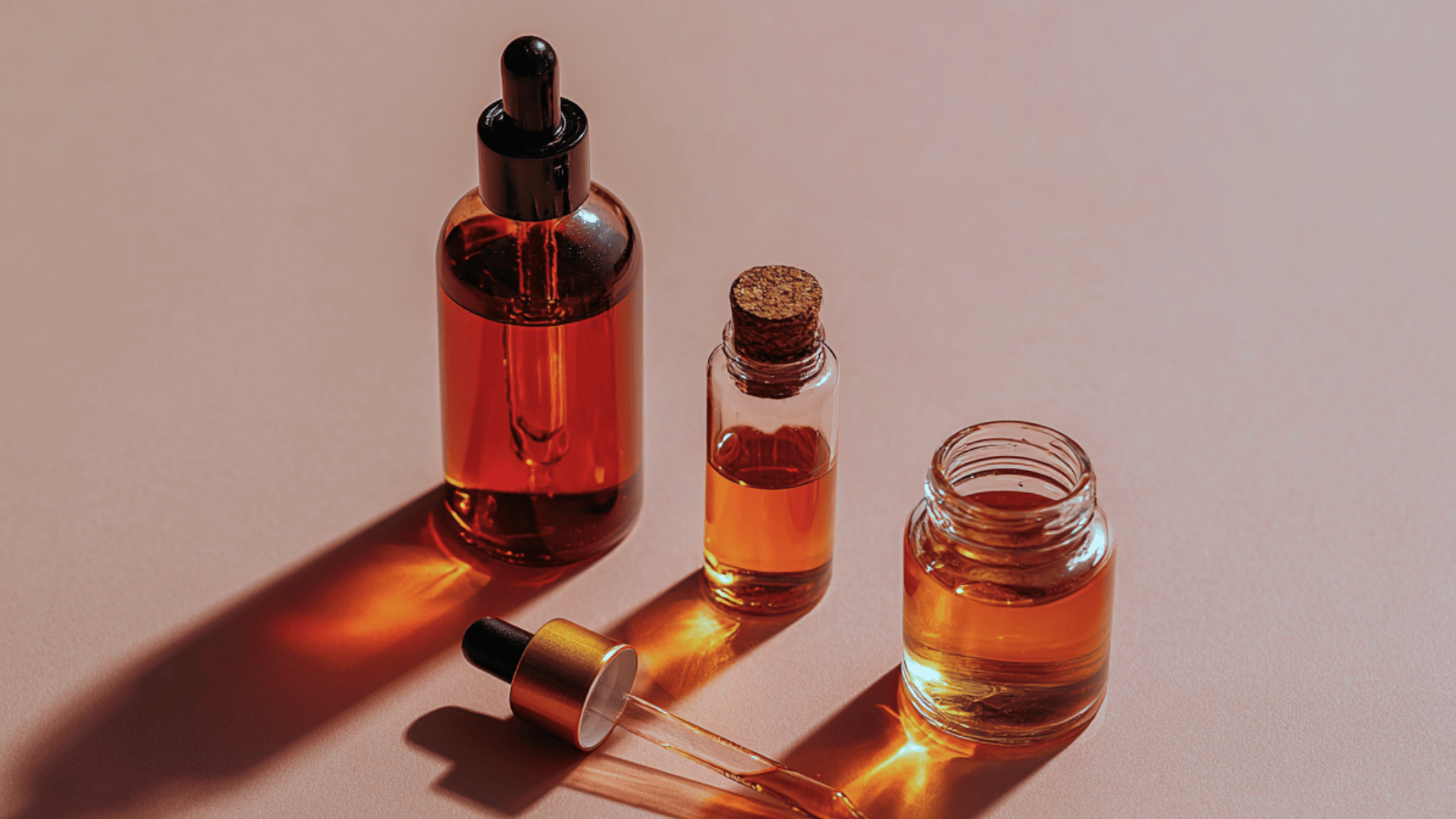
Distillate is the opposite approach. It’s made for precision and consistency. The oil is refined through multiple steps (commonly including winterization and distillation) to isolate and concentrate specific cannabinoids. The end result is often a lighter-colored oil with a more neutral aroma and a very consistent cannabinoid profile. If you want a clear, step-by-step explanation of how distillate is typically produced, Root Sciences provides a solid overview in their guide, RSO vs Distillate.
Neither method is “better” across the board. Your preference depends on what you’re trying to get out of the experience.
RSO vs distillate potency: high THC numbers vs a broader full-spectrum profile
When patients say “potent,” they may mean one of two things: the THC percentage on the label, or the overall feel of the oil.
Distillate often wins the THC percentage conversation. It can test very high in THC, sometimes around the 90% range depending on the product, which makes it appealing when you want a more exact milligram-by-milligram approach.
RSO commonly tests lower in THC percentage than distillate, but it keeps more of the plant’s cannabinoids and other compounds. A lot of patients like that fuller profile because it can feel more rounded and less one-note, especially when you’re using it as part of a steady routine.
One quick reality check: higher THC does not automatically mean a better fit for you. Your tolerance, sensitivity, and what your physician has you working toward all matter. If you’re not sure what to prioritize, this is a great question for a quick check-in with your care team.
RSO vs distillate in a syringe: taste, texture, and ease of measuring
If you’ve ever opened a syringe and thought, “Okay, this is going to be… interesting,” you’re not alone. The texture and taste can be the deciding factor for some patients.
An RSO syringe is usually dark brown to nearly black, thicker, and very aromatic. It tends to taste more “plant-forward,” which can be earthy and strong. Some patients don’t mind it at all. Others try it once and immediately start looking for ways to mask the flavor.
A distillate syringe is typically lighter in color and more neutral in smell and taste. It also tends to be easier to mix into other formats because it’s more consistent and less intense on the palate.
- You may lean RSO if you want a fuller-spectrum extract and you’re okay with a bolder taste and thicker oil.
- You may lean distillate if you want a cleaner flavor, a more consistent cannabinoid profile, and something that’s easy to measure and blend.
RSO vs distillate: how patients typically use each one
Everyone’s routine is personal, but there are a few common patterns you’ll hear from patients.
RSO is often chosen when you’re looking for a whole-plant style extract and you’re comfortable dosing very small amounts at a time. Many patients treat it like a “slow and steady” option and prefer to keep their routine simple rather than turning it into a project.
Distillate is commonly picked for flexibility. If you’re someone who doesn’t love a strong cannabis taste or you want repeatable dosing with less variation, distillate can feel easier to live with. It also shows up as an ingredient in a lot of consistent-format products for that reason.
How to dose responsibly with either oil (and avoid the classic mistake)
Whether you choose RSO or distillate, you’re dealing with a concentrate. A small amount can go a long way, especially if you’re newer or you’re returning after a break.
The most common mistake is taking a little… waiting a few minutes… then taking more because you “don’t feel it yet.” Oral and sublingual routes can take time. If you stack doses too quickly, you may end up more uncomfortable than supported.
- Start low. Pick a very small amount.
- Go slow. Give it enough time to take effect before adjusting.
- Track it. Note the dose, time, and what you noticed so you can repeat what works.
If you want a straightforward refresher you can bring to your next conversation with your physician, use GrowHealthy’s resource on dosing information to build a plan and avoid guesswork.
Also, plan around your day. If you feel impaired, do not drive or operate machinery. Store syringes and any medical cannabis products securely and out of reach of children and pets.
Picking the right format for your routine (not just what sounds good on paper)
The best choice is the one you’ll actually use consistently and comfortably. Think about the moment you’ll be dosing, not the moment you’re reading the label.
- If you want something more neutral and adaptable, distillate often fits easily into existing routines.
- If you like the idea of a fuller plant profile and don’t mind a bolder taste, RSO may be the better match.
If you’re still exploring concentrates beyond syringes, you can compare options and learn the basics in GrowHealthy’s concentrates overview.
What to check before you buy: label details, COAs, and Florida rules
Two quick habits can save you a lot of frustration: check the label carefully and ask for lab testing details when they’re available. A COA (Certificate of Analysis) helps you confirm cannabinoid content and gives you more clarity about what you’re putting in your body.
It’s also smart to stay current on program rules. Florida’s medical cannabis regulations live on the OMMU site, and you can review the official guidance on OMMU Rules & Regulations.
If you’re new to the program and still working through the Florida State Issued Medical Card process, this overview is a helpful starting point: how to get a medical marijuana card in Florida.
FAQ: RSO vs distillate
Is RSO stronger than distillate?
It depends on what you mean by “stronger.” Distillate is often higher in THC percentage, while RSO is full-spectrum and can feel more layered for some patients. Your tolerance and sensitivity play a big role.
What’s the biggest day-to-day difference between an RSO syringe and a distillate syringe?
Taste and texture. RSO is usually darker, thicker, and more plant-forward in flavor. Distillate is often lighter and more neutral, which some patients find easier to measure and incorporate into a routine.
Can you cook with an RSO syringe or distillate syringe?
Many patients prefer distillate for mixing because it’s more neutral and consistent. RSO can be used in certain preparations too, but the strong flavor and thicker texture can be harder to work with. Always be cautious with dosing and follow your physician’s guidance.
Why does RSO taste so intense?
Because it’s less refined and retains more plant compounds, including ones that can contribute to an earthy, strong flavor and aroma.
Which is easier for beginners: RSO vs distillate?
Many new patients find distillate simpler because it’s neutral and consistent. Still, “beginner-friendly” depends on your goals and how you plan to use it. Either way, start low, go slow, and give each dose enough time before adjusting.
How can you save on concentrates at GrowHealthy?
Check the latest patient savings, including ongoing offers and new patient options, on our discounts page.
Conclusion: choosing between RSO vs distillate at GrowHealthy
When you’re deciding between RSO vs distillate, focus on what fits your body and your routine, not just what has the highest THC number. Rick Simpson Oil is a fuller-spectrum, less-refined option that many patients pick for a more “whole-plant” style experience. Distillate is refined for consistency, a more neutral taste, and precise cannabinoid concentration.
If you want a second set of eyes on your plan, talk with the GrowHealthy Patient Care team about timing, format, and how to start with a dose you can feel good about. When you’re ready to shop or learn more about our approach to lab-tested medical cannabis products across Florida, visit GrowHealthy.